
I remember sitting in a cramped edit suite in South London, twenty years ago, staring at a monitor that felt like it was vibrating. I had just spent six hours trying to fix a dialogue track that sounded like it was recorded inside a tin can, convinced that if I just bought a more expensive plugin or a better interface, the scene would finally breathe. I was wrong. I was chasing a ghost. People spend thousands on high-end microphones and software suites, thinking they can purchase their way into the art of film sound design and editing, but they forget that a clean signal is useless if you haven’t learned how to build a world out of silence and texture.
I’m not here to sell you a gear list or tell you which software will make you the next Skywalker. Instead, I want to talk about the things that actually matter: the rhythm of a cut, the way a low-frequency hum can unsettle an audience more than a jump scare, and the discipline required to layer sound without cluttering the frame. I’ll be sharing what I’ve learned from two decades of making things sound real, even when the budget said they shouldn’t be.
Sonic Storytelling Principles and the Patience of Texture
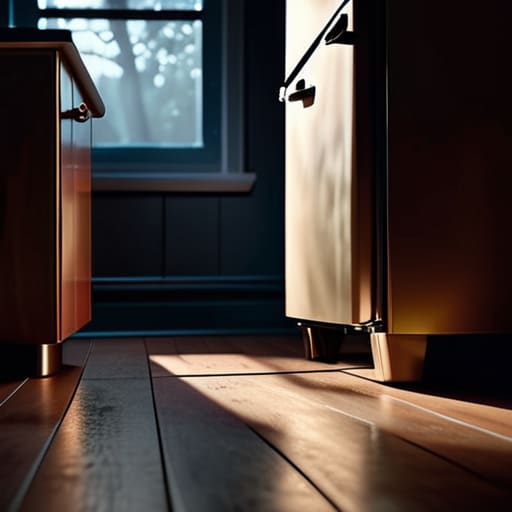
Most people think a scene is built in the camera, but I’ve spent enough time in dark suites to know it’s actually built in the ears. You can have a perfectly lit frame with a beautiful depth of field, but if the room sounds like a vacuum, the audience is going to pull right out of the story. This is where sonic storytelling principles actually matter. It isn’t about finding the loudest explosion; it’s about the quiet, uncomfortable hum of a refrigerator in a lonely kitchen or the specific, rhythmic scrape of a chair on linoleum.
I’ve seen editors try to mask a thin production by cranking the music, but that’s a cheap trick that usually just feels manipulative. Real cinematic soundscapes and atmosphere are constructed through layers of texture that feel earned. You need to respect the distinction between diegetic and non-diegetic sound, using the world within the frame to ground the viewer before you even think about touching the score. If you don’t have the patience to layer those subtle, organic details, you aren’t designing a world—you’re just filling silence.
Cinematic Soundscapes and Atmosphere Over Expensive Hardware
I’ve sat in enough dark edit suites to know that people treat audio like a spec sheet. They want to know the sample rate, the bit depth, and whether the new preamp has a lower noise floor. But you can spend thirty grand on a pristine signal chain and still produce a mix that feels hollow because you didn’t understand the space the characters inhabit. Creating true cinematic soundscapes and atmosphere isn’t about capturing the cleanest recording; it’s about understanding how a room breathes. A high-end condenser mic won’t tell you if a scene feels lonely, but knowing how to let the silence sit between the dialogue might.
The real work happens in the nuance of foley artistry in filmmaking and the intentional layering of what we hear versus what we feel. I’ve seen shooters obsess over getting a perfect, isolated recording of a footstep, only to realize in post that the sound is too “clean” to be believable. It lacks the grit of the environment. You don’t need a studio full of specialized gear to build a world; you need the discipline to layer textures that ground the viewer in a specific reality, whether that’s the low hum of a city or the unsettling creak of a floorboard.
Five Ways to Stop Treating Sound Like an Afterthought
- Stop looking for the perfect library and start looking for the right silence. A beginner tries to fill every second with a sweeping score or a constant wash of room tone, thinking it makes the scene “full.” In reality, the most powerful tool you have is the ability to let a moment breathe. If the character is feeling isolated, don’t drown them in ambient birdsong; strip the sound back until the silence feels heavy.
- Treat your dialogue like your primary light source. Just as I wouldn’t try to shoot a dramatic close-up with a flickering fluorescent bulb, you shouldn’t let muddy, poorly recorded dialogue dictate your edit. If the dialogue is thin, you can’t just “fix it in post” with a fancy EQ plugin. You have to build a sonic foundation around it that supports the clarity of the voice, rather than fighting against it.
- Layering is a matter of physics, not just volume. When I’m looking at a scene, I’m thinking about where the light is coming from; when you’re looking at a soundscape, you should be thinking about where the sound is originating. A car passing doesn’t just happen; it has a Doppler effect, it bounces off the brick walls of the alley, and it carries the grit of the tires on the asphalt. If you just drop a single “car pass” file into your timeline, it’s going to sound like a sticker slapped onto a window.
- Use sound to bridge the cuts that the visual edit can’t quite smooth over. We’ve all seen those jumpy edits where the visual transition feels jarring. A well-placed sound bridge—a piece of diegetic noise from the next scene bleeding into the current one—can act like a soft-focus lens for the ears. It tells the audience’s brain that the transition is intentional, smoothing out the rough edges of a tight schedule.
- Learn the limits of your tools before you rely on them. You can spend three thousand dollars on a high-end Foley kit, but if you don’t understand the rhythm of a character’s gait or the weight of their footsteps, you’re just making expensive noise. The gear is just a way to capture the reality; the art is in knowing how to arrange those captures so they actually serve the story instead of just cluttering the frequency spectrum.
The Last Frame and the First Listen
At the end of the day, sound design isn’t about stacking the loudest transients or finding the most expensive library of impacts to hide a thin performance. It’s about the space between the noises. We’ve talked about why texture matters more than fidelity and why a well-placed piece of room tone can do more for a scene’s continuity than a dozen high-end foley passes. If you focus on the intent behind the sound—the way a low-frequency hum can tighten a character’s chest or how silence can suddenly feel heavy—you’re already ahead of most of the people currently chasing the newest software plugins. You don’t need a studio that costs more than my first house; you just need to listen to the world with enough deliberate patience to understand how it actually breathes.
My advice is simple: stop looking for the gear that will fix a hollow scene and start looking for the rhythm that makes it feel alive. You can own every piece of kit on the market, but if you don’t respect the relationship between what we see and what we hear, you’re just making noise. The best work I’ve ever seen didn’t come from a massive post-production budget; it came from someone who knew exactly when to pull the rug out from under the audience and when to let them sit in the quiet. Put the headphones on, close your eyes, and ask yourself if the sound is telling the truth. If it is, you’re doing just fine.
If you find yourself staring at a waveform that looks like a flatline, wondering why your mix feels hollow despite having the latest plug-ins, stop looking for a new software update and start looking for better ears. The technical side of sound is easy to learn, but the instinct for timing—knowing exactly when a room tone should swell or when a sudden silence will hit harder than a crash cymbal—is something you only pick up by dissecting the work of people who have actually been in the trenches. I’ve spent a lot of my time hanging around the T4m community just to see how other practitioners approach these specific, messy problems, and it’s a hell of a lot more useful than any gear tutorial. It’s about finding a space where the conversation stays on the craft of the edit rather than the specs of the interface.
