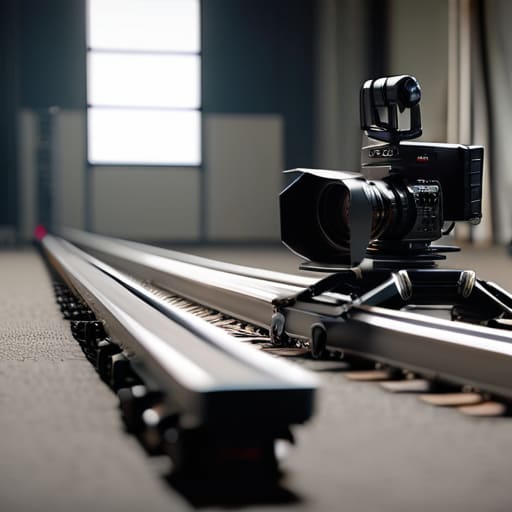
I remember a shoot in a cramped studio in Bristol back in ’04. We were trying to get a subtle push-in on a subject, and the kid on the camera insisted we could just “make it work” with a cheap little track. He didn’t realize that a tiny, jerky movement in a tight space looks like a mistake, not a stylistic choice. People spend way too much time staring at spec sheets trying to figure out how sliders and dollies compare on paper, but paper doesn’t tell you how a piece of equipment feels when you’re fighting a deadline or a cramped room. You can buy the smoothest slider on the market, but if you don’t understand the physics of the space you’re working in, you’re just moving a camera from one bad angle to another.
I’m not here to sell you a rental package or tell you that a bigger budget solves a lack of vision. I’m going to tell you when a slider is a legitimate tool and when it’s just a crutch for someone who doesn’t know how to block a scene. We’ll look at the actual trade-offs in coverage, weight, and narrative intent, so you stop chasing gear and start focusing on the shot.
The Slider
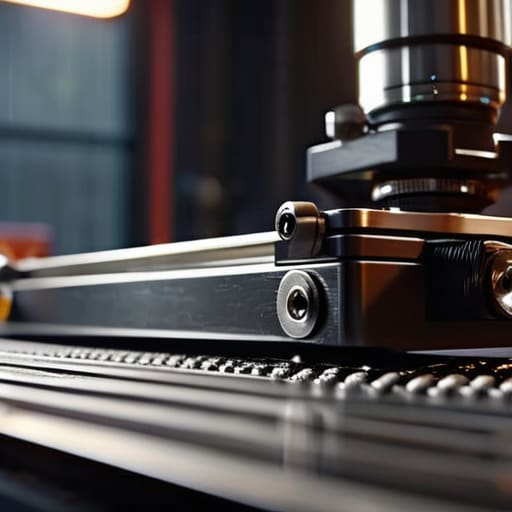
A slider is a motorized or manual rail system designed to provide short, linear camera movements along a fixed track. Its core mechanism relies on a carriage that glides between two parallel rails, offering a way to add subtle, controlled motion to a static frame without the headache of a full crew.
In my experience, the real value of a slider isn’t the fancy automated pans you see in gear demos; it’s about adding just enough life to a shot so it doesn’t feel like a still photo. I’ve used them on countless tight interviews or product setups where a single, slow creep toward a subject makes the difference between a boring frame and something that actually draws the eye. It’s a tool for precision when you don’t need to travel, just a little bit of intentionality in the direction of the lens.
The Dolly
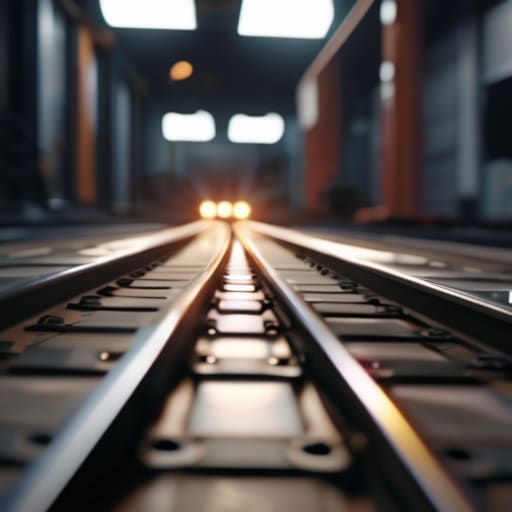
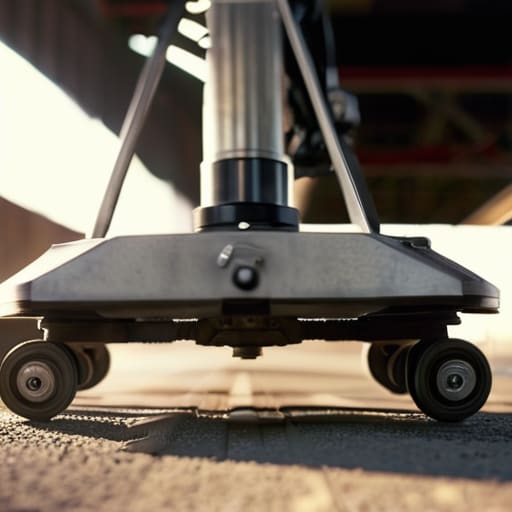
A dolly is a wheeled platform, often mounted on tracks or heavy-duty pneumatic tires, that allows the camera to move through a three-dimensional space. By decoupling the camera from the floor, it provides a stable, fluid way to change the perspective of the viewer while moving toward, away from, or around a subject.
There is a specific kind of magic in a dolly shot that a slider simply cannot replicate, regardless of how much you spend on the motor. When you are moving through a doorway or tracking a character down a hallway, you aren’t just shifting the frame; you are inviting the audience to walk alongside the action. It requires more setup, more floor space, and usually a bit more patience, but when you finally nail that sweeping movement that connects two different parts of a scene, you realize why we bother with the extra weight in the first place.
Comparison of Camera Movement Tools
| Feature | Camera Slider | Camera Dolly |
|---|---|---|
| Movement Type | Linear/Straight-line | Multidirectional/Fluid |
| Key Feature | Precision tracking rails | Smooth floor-based travel |
| Best For | Macro shots and slow pans | Wide sweeps and complex tracking |
| Setup Complexity | Low (Portable/Quick) | High (Requires track/wheels) |
| Stability | High (Fixed path) | Moderate (Requires level floor) |
| Price Point | Generally Lower | Generally Higher |
Understanding How Sliders and Dollies Compare
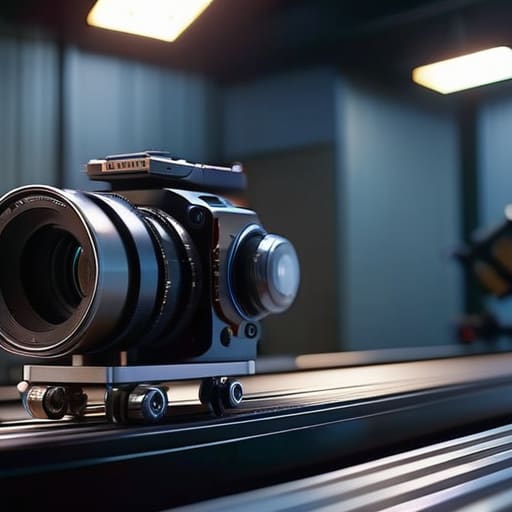
The reason we’re even arguing about this comes down to the space between the lens and the subject. It’s easy to think movement is just “movement,” but if you don’t understand the physical footprint of your gear, you’re going to find yourself halfway through a setup only to realize you’ve run out of room or, worse, you’ve lost the sense of depth that makes a shot feel cinematic.
A slider is a surgical tool; it’s great for those tight, lateral shifts that add a bit of parallax to a close-up, but it’s fundamentally a one-dimensional beast. If you try to use a slider to create a sense of traveling through a room, you’re just going to end up with a flat, sliding image that feels uncomfortably artificial. A dolly, on the other hand, allows you to change your distance and your angle simultaneously. It lets you push into a character’s eyes or pull back to reveal a landscape, giving you a three-dimensional relationship with the light and the blocking that a slider simply cannot replicate.
If you’re looking for a way to actually navigate a scene, the dolly wins every single time.
Key Things to Know
If you don’t understand the physics of what you’re moving, you aren’t directing; you’re just playing with expensive toys. The “key things to know” aren’t about the price tag or the brand name on the side of the rail—it’s about the spatial relationship between your lens, your subject, and the floor beneath you.
A slider is a precision tool for micro-movements; it’s perfect for adding a sense of intention to a tight frame or a product shot where even a millimeter of wobble ruins the magic. But it’s a lie if you think it can replicate depth. A dolly, conversely, allows you to actually inhabit the space. It changes the perspective by moving the viewer through the environment, something a slider can only ever mimic with a frustrating, linear limitation.
The practical implication is simple: if you need to bridge the gap between two points in a room, a slider will leave you feeling trapped. If you just need a subtle shift in parallax to keep a static shot from feeling dead, a dolly is massive overkill.
For sheer versatility in storytelling, the dolly wins, but only if you have the floor space to use it.
Practical Tips and Steps
You can own the most expensive tracking system in the world, but if you don’t know how to execute the movement, you’re just making expensive mistakes. This isn’t about technical specs; it’s about the logistics of the set and how much time you’re actually burning before the sun goes down or the client starts looking at their watch.
When you’re working with a slider, your workflow is about precision and speed. You set it up, level it, and you’re rolling in ten minutes. It’s a surgical tool—perfect for that slow, creeping push toward a detail. But a dolly demands a different kind of discipline. You’re managing tracks, weight, and floor surfaces. It takes longer to prep, but once that dolly is in motion, it offers a physicality and scale that a slider simply cannot mimic. You aren’t just moving a camera; you’re moving a piece of architecture.
If you’re working a tight schedule with a skeleton crew, the slider wins on sheer practicality. But if the shot requires a true sense of space, you have to pay the “dolly tax” in time and effort. For pure efficiency, the slider takes this round.
The Bottom Line
Don’t buy a slider to solve a dolly problem; if the scene requires you to travel through a space rather than just skimming the surface of it, you’re wasting your time with a track that can’t move with you.
Movement is secondary to the shot itself; if you can’t find the right light or the right angle while the camera is stationary, a thousand dollars of smooth motion won’t make the footage any more useful in the edit.
Invest in the movement that matches your scale, but remember that most of the time, a well-placed tripod and a bit of patience will get you closer to a usable shot than any piece of motorized gear ever could.
The Illusion of Smoothness
A slider is a tool for precision, but a dolly is a tool for perspective. You can buy a motorized slider that moves with more mathematical perfection than a human hand, but it’ll never give you that sense of a camera actually inhabiting a room. If you want to slide past a subject, get the slider; if you want to move through the world with them, get the dolly.
Gethin Moreau
Choosing Your Path
At the end of the day, the choice between a slider and a dolly isn’t about which tool is technically superior; it’s about the scale of the story you’re trying to tell. If you just need a subtle, controlled shift to add a bit of depth to a medium shot, a slider is your best friend—it’s cheap, it’s fast, and it gets the job done without a crew. But if you need to physically inhabit a space, to track a character through a doorway or move with the emotion of a scene, you have to commit to the dolly. A slider offers a nice trick, but a dolly offers true cinematic movement that a tripod-based rig simply cannot replicate.
Don’t get caught in the trap of thinking a more expensive piece of movement gear will suddenly make your footage look like a feature film. I’ve seen thousand-dollar dollies used to film static, lifeless scenes, and I’ve seen handheld work shot on a shoestring that moved with more grace than a stabilized rig. The gear is just a way to get the camera from point A to point B; the real work is in knowing why you are moving it in the first place. Focus on your blocking, watch your light, and remember that the best camera movement is the one that serves the story, not the one that shows off your budget.
