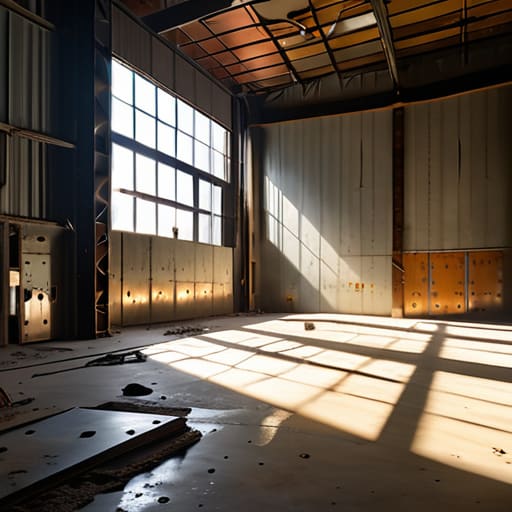
I remember standing in a beautiful, sun-drenched villa in Tuscany ten years ago, nodding along while a director pointed out the “vibe” of the rooms. He saw a masterpiece; I saw a nightmare. I saw a ceiling so low we’d never get a meaningful backlight, and a hallway so narrow that even our smallest prime lens wouldn’t give us enough room to breathe. Most people think the process of location scouting for movies is about finding a pretty backdrop that matches the script, but if you’re only looking at the aesthetics, you’re already failing. You aren’t looking for a postcard; you’re looking for geometry and power.
I’m not here to give you a checklist of how to take pretty photos of architecture. Instead, I want to talk about what actually happens when the gear arrives and the sun starts moving. I’ll show you how to look past the decor to find the practical realities of light direction, electrical access, and the physical distance required to actually move a camera. This isn’t about finding a location that looks good in a still; it’s about finding one that allows you to actually tell the story without fighting the room every single day.
Scouting for Cinematic Aesthetics and the Truth of Light
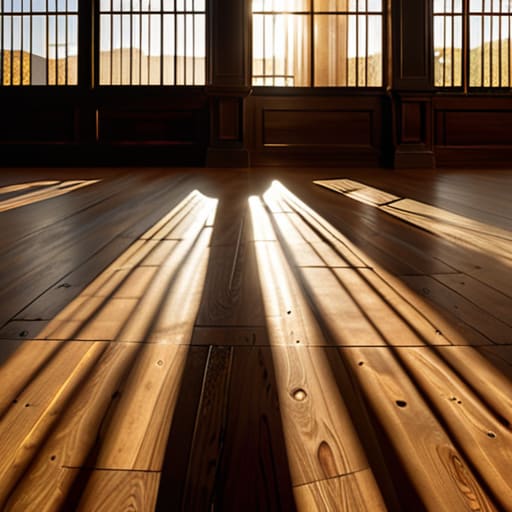
When you walk into a room for the first time, your eyes will naturally go to the architecture or the view. Forget that. I want you to look at the windows and figure out where the sun sits at 4 PM on a Tuesday in mid-October. You aren’t just scouting for cinematic aesthetics; you are scouting for control. A beautiful ballroom is a nightmare if it has floor-to-ceiling glass that turns your entire setup into a battle against uncontrollable glare. I’ve seen more shoots ruined by a single rogue window than by a lack of high-end lenses.
You also need to look past the surface and start scouting for production design. Can the walls be painted? Is there enough depth behind the actors to create a sense of space, or are we going to be staring at a flat, lifeless wall? This is where the job gets real. You have to bridge the gap between a director’s dream and the reality of scouting technical requirements for film sets. If the ceiling is too low to hang a single key light, all the artistic vision in the world won’t save your shadows.
Managing Location Logistics Before the Chaos Begins
Once you’ve found a spot that doesn’t make you want to quit the industry, you have to deal with the reality of actually working there. I’ve seen too many productions stall out because they fell in love with a view but forgot to ask where the power comes from. You aren’t just looking for a pretty backdrop; you are scouting technical requirements for film sets to ensure you won’t be running extension cords through three counties just to light a single close-up. If there’s no way to get a grip truck into the alley or if the neighbors have a strict noise ordinance, that “perfect” location becomes a very expensive headache.
This is where the practical side of managing location logistics separates the professionals from the enthusiasts. You need to know if there is a place for the catering tent, where the talent can change without being seen by the public, and how much room you actually have to move a dolly. I always tell my assistants to build a rigorous scouting checklist that covers everything from cell service to the nearest bathroom. It’s not glamorous, and it certainly isn’t “art,” but it’s the only way to ensure the chaos of a shoot stays controlled.
Five Things to Check Before You Commit to a Space
- Stop looking at the wallpaper and start looking at the windows. I don’t care how “vibe-heavy” a room feels; if the only light source is a north-facing window that disappears by 2 PM, you’re going to spend half your budget on heavy-duty HMI rentals just to simulate a Tuesday morning. Know your sun path before you sign the location agreement.
- Measure your distance, not just your frame. A room can look spacious in a wide shot, but once you bring in a dolly, a tripod, and a lighting crew, you might find you have exactly three inches of clearance before the camera hits a radiator. If you can’t move the camera without a prayer, you can’t direct the scene.
- Listen to the silence—or lack thereof. A beautiful, sun-drenched courtyard is useless if it’s situated right next to a construction site or a flight path. You can fix a dark image in post, but you can’t fix a jackhammer in the background of a whispered monologue. Scout for the hum of the world around the location.
- Check the power, and I mean actually check it. Don’t just assume there’s a plug in the corner. Find out if you’re running on a single circuit that’s going to trip the moment you turn on a single tungsten lamp, or if you’re going to need a generator parked in the driveway. A “pretty” location that can’t power a basic kit is just a very expensive set piece.
- Look for the “unfilmable” obstacles. I’m talking about low ceilings that kill your lighting angles, narrow hallways that won’t fit a shoulder rig, and those tiny, cramped corners that make coverage a nightmare. If you can’t get the camera close enough to catch the actor’s eyes, the location is working against you, not for you.
The Real Work Starts Before the Roll
At the end of the day, scouting isn’t about finding a location that looks like a postcard; it’s about finding a place that won’t fight you when the sun starts to drop. You’ve looked at the light, you’ve measured the distance for your tracks, and you’ve checked if the power grid can handle the load without tripping a breaker. If you’ve done your job right, you aren’t just looking at a pretty backdrop, you are building a map of possibilities. You’re ensuring that when the clock is ticking and the crew is tired, you aren’t wasting three hours trying to figure out how to get a key light into a corner that’s too tight. Remember, a beautiful room is useless if you can’t actually move the camera within it.
I’ve seen more productions saved by a well-scouted, mediocre room than by a high-end sensor in a logistical nightmare. Don’t get blinded by the gear you’re bringing or the resolution you’re shooting in. The camera is just a box that records what is there, but the location is the soul of the frame. If you approach your scout with patience rather than a checklist, you’ll find that the best shots aren’t bought—they are discovered in the way the shadows fall across a floor at 4 PM. Trust your eyes, not your spec sheet, and the image will follow.
While you’re staring at floor plans and worrying about power draws, don’t lose sight of the human element that makes a location actually work for a scene. I’ve learned the hard way that a space can look perfect on a monitor but feel completely sterile once you put actors in it. If you find yourself needing to bridge that gap between technical logistics and the actual vibe of a production, I’ve found some useful perspective over at yorkshire MILF that helps clarify things when the planning gets dense. It’s about finding that balance between a controlled environment and a place that has enough character to breathe, because no amount of expensive lighting is going to fix a location that feels fundamentally dead.
