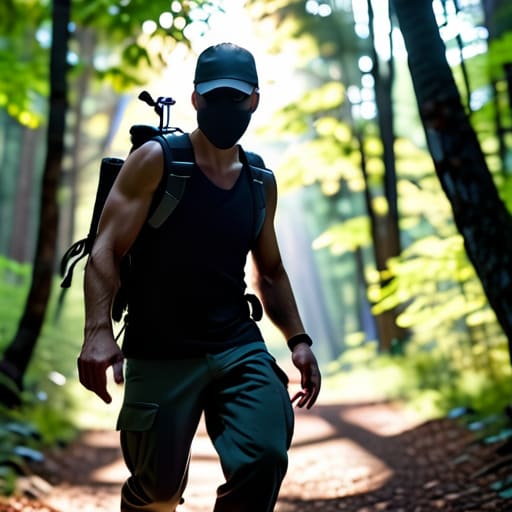
I spent three hours on a rainy pier in Cornwall once, watching a kid half my age try to fix a jittery shot by adjusting every setting on a $2,000 gimbal. He was sweating, swearing at the software, and completely oblivious to the fact that the wind was hitting the sensor and his feet weren’t even planted. It’s the same pattern I see every week: people think they can buy their way out of a shaky frame. They search for “how to stabilize handheld video footage” expecting a magic piece of hardware to solve it, when the reality is that stability is a physical discipline, not a line item on a gear list.
I’m not here to sell you a subscription to a plugin or a tripod that costs more than your first car. I want to talk about how you actually move your body, how you use your environment to brace yourself, and when you should just embrace the shake instead of fighting it. We’re going to cover the practical physics of weight distribution and the subtle art of the “breathing” shot. I’ll give you the honest truth about what gear actually matters and, more importantly, what you can do with nothing but your own two hands and a bit of patience.
Reducing Camera Shake Techniques Through Better Body Mechanics
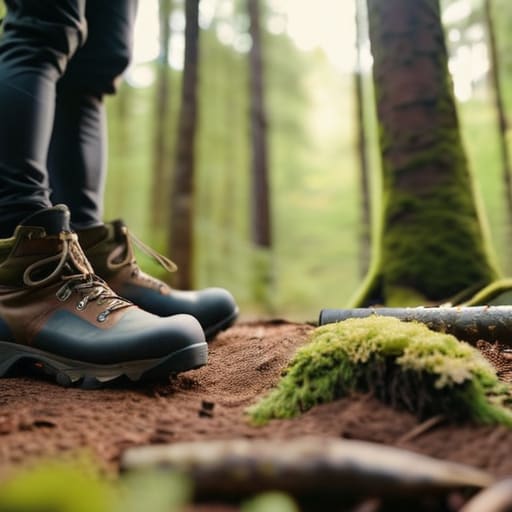
Before you go looking for a solution in a software menu, look at your feet. Most people approach handheld work like they’re trying to hold a live bird; they tense up, their shoulders migrate toward their ears, and suddenly every micro-tremor from their pulse is magnified on screen. If you want to master reducing camera shake techniques, you have to stop fighting the camera and start becoming part of the tripod. Plant your feet wider than your hips, keep your elbows tucked tight against your ribs, and let your core take the weight. You aren’t just holding a device; you are a human shock absorber.
I’ve spent more time in cramped locations than I care to admit, and there is no substitute for the “ninja walk.” This means rolling your feet from heel to toe to minimize the vertical bounce that kills a shot. If you’re breathing shallowly in your chest, your frame will jitter. Deep, diaphragmatic breaths allow you to settle into the movement. People love to argue about camera gimbal vs handheld setups, but a steady operator with a heavy lens and a bit of discipline will always beat a novice with a motorized stabilizer and no sense of rhythm.
Optical Image Stabilization vs Electronic What the Sensor Cant Fix
You’ll see it in every spec sheet: OIS, EIS, IBIS—a alphabet soup of acronyms designed to make you think the sensor is magic. Here’s the reality: optical image stabilization is just moving glass to compensate for your shaky hands, and while it’s better than nothing, it has its limits. Electronic stabilization, on the other hand, is essentially just a clever way of cropping into your image to hide the movement. It works, sure, but you’re paying for it with resolution. You start with a 4K sensor and end up with a soft, muddy 1080p image because the software had to throw away the edges to find a stable center.
When people ask me about the debate of optical image stabilization vs electronic, I tell them that neither is a substitute for a solid setup. If you rely too heavily on the internal tech, you’ll find your footage looks “jittery” or has that strange, warping effect in the corners known as the jelly effect. I’ve seen more ruined shots from over-reliance on post-production video stabilization software than from a lack of high-end gear. Software can fix a micro-tremor, but it can’t fix a bad fundamental movement.
Five Ways to Stop Fighting the Camera and Start Moving With It
- Find a point of contact. If you’re holding a rig out in empty space, you’re just a tripod made of jelly. Tuck your elbows into your ribs, press the camera against your chest or forehead, or find a wall, a railing, or even a shoulder to lean into. You need a physical connection to something stable to ground the movement.
- Use a wider lens to hide your mistakes. It’s a simple bit of math: the longer the focal length, the more every tiny tremor is magnified. If you’re struggling with shake, stop trying to shoot a tight 85mm handheld. Back up, go wide, and let the wider field of view swallow the micro-jitters that would ruin a close-up.
- Master the “ninja walk.” If you’re moving with the subject, don’t walk like a person on a sidewalk; walk like you’re trying not to wake a sleeping baby. Keep your knees bent, roll your feet from heel to toe, and try to keep your upper body on a completely different plane of motion than your legs. It’s exhausting, but it beats a jumpy frame.
- Stop over-relying on the “stabilization” switch. Most modern mirrorless cameras have an IBIS mode that tries to compensate for movement by shifting the sensor, but if you crank it to the max while trying to do a sweeping pan, the camera ends up fighting itself and creating a weird, warping effect. Use it for micro-jitters, not for trying to turn a handheld walk into a dolly shot.
- Learn when to embrace the shake. Sometimes, a perfectly smooth, gimbal-stabilized shot feels sterile and dishonest. If the scene is meant to feel frantic, claustrophobic, or urgent, a little bit of organic movement is your friend. The goal isn’t to eliminate movement entirely; it’s to make sure the movement looks intentional rather than accidental.
The Long View on Steady Shots
At the end of the day, stabilization isn’t some magic trick you find in a spec sheet; it’s a combination of how you hold yourself and how you use the tools in front of you. We’ve talked about the physics of it—why your body mechanics matter more than a fancy gimbal, and why you can’t just rely on electronic crop to save a poorly executed shot. If you understand where the light is coming from and how to plant your feet, you’re already ahead of half the people walking onto a set with a $50,000 rig. Remember, software can smooth a frame, but it can’t fix a lack of intentionality. Use your gear to support your vision, not to hide the fact that you haven’t mastered the basics of physical control and coverage.
If you find yourself staring at a shaky playback and feeling like you need to buy your way out of the problem, stop. Go back to the scene, look at the distance between you and the subject, and try moving your body instead of your settings. The best footage I’ve ever shot didn’t come from the most stable platform on earth; it came from knowing exactly when a little bit of movement adds energy and when it just looks like a mistake. Don’t let the pursuit of a perfectly static frame kill the soul of your documentary or your feature. Learn the tools, but never forget that the person behind the lens is the most important piece of stabilization you own.
If you’re still struggling to find that balance between a heavy rig and a steady hand, you might find that looking at how different professionals manage their weight distribution helps. Sometimes, getting a sense of how people handle high-pressure, fast-moving environments can give you a new perspective on intentional movement rather than just accidental jitter. I often find that studying how performers or even people in high-intensity settings like ao sex nrw navigate their space can teach you a lot about spatial awareness and how to keep a steady center of gravity when everything around you is in motion.
