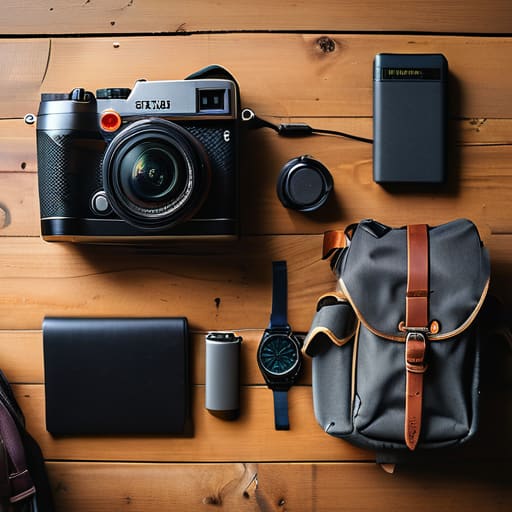
I once spent four hours in a humid terminal in Djibouti, sweating through my shirt because I’d insisted on bringing a secondary lighting kit that ended up being useless for the actual location. I had followed every “pro” checklist I could find, yet I was the one fighting my own kit instead of focusing on the light. Most of the advice you see online—those bloated, gear-obsessed lists that claim you need a specialized Pelican case for every single screw—is just noise designed to sell you more plastic. If you’re looking for a complete guide to travelling with gear that tells you which expensive modular systems will make you a better filmmaker, you’re in the wrong place.
I’m not here to sell you a dream of effortless production; I’m here to tell you how to pack so you don’t lose your mind before the first roll. I’ll show you how to distinguish between the tools that actually change the way you see a scene and the dead weight that just makes your back ache. This is about practicality over prestige, focusing on how to protect your essential glass and bodies without turning yourself into a human pack mule.
The Weight of the Kit a Complete Guide to Travelling With Gear
I’ve spent enough years lugging Pelican cases through terminal gates to know that your biggest enemy isn’t a broken lens, but your own poor judgment. You’ll be tempted to bring the backup camera, the secondary prime set, and that heavy-duty tripod just because “what if.” But every extra pound you carry is a tax on your patience and your spine. When you’re navigating a crowded airport or a bumpy taxi ride, you aren’t just moving tools; you are managing vulnerabilities. I’ve learned that the most efficient way to handle this is to prioritize protecting electronics during transit by stripping your kit down to the essentials that actually define the look of the shoot.
If you are crossing borders with more than just a consumer DSLR, don’t let a customs agent become your biggest production hurdle. I’ve seen shoots grind to a halt because someone neglected the paperwork, so get your ATA carnet for equipment sorted well before you leave the house. It’s a headache upfront, sure, but it’s a hell of a lot easier than trying to explain to a border official why you have four high-end cinema lenses in a carry-on. Treat the logistics with the same discipline you treat your lighting setup: if you haven’t accounted for it, it’s going to fail you when the sun is setting.
Shipping vs Carrying Deciding What Deserves the Plane
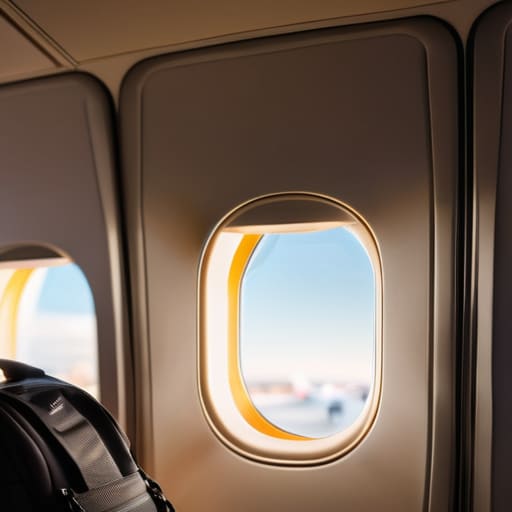
The decision usually boils down to whether you want to spend your flight worrying about your luggage or your lighting. If you’re moving a single body and a couple of prime lenses, you carry them. Period. I’ve spent enough time in terminals to know that the moment you hand a Pelican case to a baggage handler, you’ve surrendered control of your livelihood to someone who is likely thinking about their lunch break. If it’s the glass you rely on to shape the light, it stays in a cabin bag, tucked under your feet.
However, when the production scale shifts and you’re looking at heavy-duty grip kits or large-format sensor bodies, the math changes. Shipping vs carrying heavy equipment isn’t just about physical effort; it’s about the logistical headache of customs regulations for professional tools. If you’re crossing borders, you’d better have your ATA carnet for equipment sorted before you even think about booking a courier. It’s a paper trail that saves you from a very expensive conversation with a customs officer. I’ve seen too many crews lose a week of shooting because they thought they could “just wing it” with a crate of lights. Weigh the cost of the shipping against the cost of your time; usually, the time is more expensive.
Customs and the Ata Carnet Navigating Professional Tools
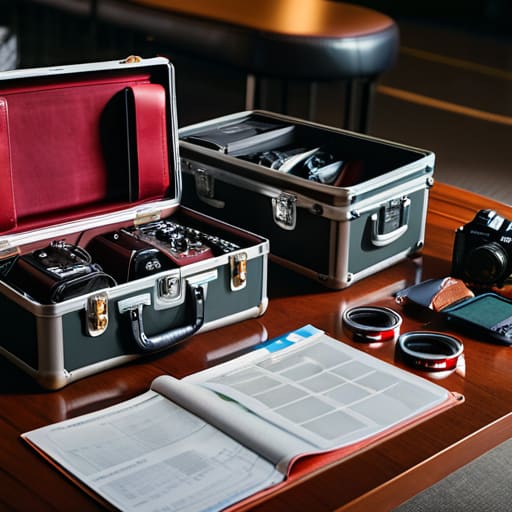
If you’re crossing borders with a kit that costs more than a mid-sized sedan, you can’t just show up and hope for the best. I’ve seen too many freelancers get stuck in a terminal for six hours because they didn’t realize their camera bodies looked like “commercial goods” to a bored customs officer. This is where the ATA carnet for equipment becomes your best friend. It’s essentially a passport for your tools, proving to authorities that you aren’t planning to sell that Arri Alexa or those Cooke lenses in a local market. It’s a headache to file, but it’s a hell of a lot easier than paying import duties on gear you’re only using for a week.
Beyond the paperwork, you need to be realistic about customs regulations for professional tools and how they interact with your liability. Don’t rely on the airline’s “lost luggage” policy; they won’t cover a shattered sensor. Make sure your travel insurance for expensive gear is explicitly written for professional use, not just “hobbyist” mishaps. If the paperwork says you have three lenses and you show up with four, you’re going to have a very long, very expensive afternoon.
Protecting Electronics During Transit Beyond the Hard Case
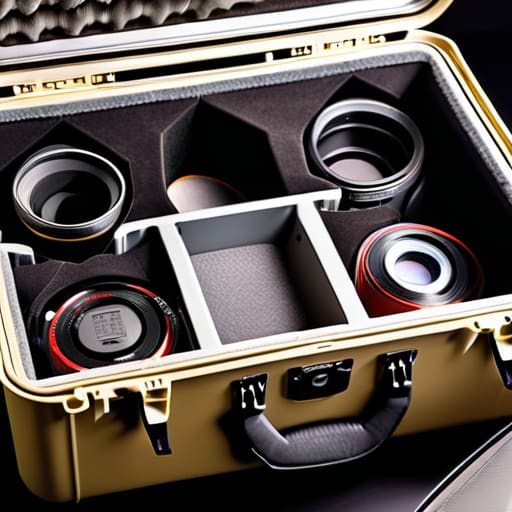
You can buy a Pelican case that could survive a reentry into the atmosphere, but a hard shell is only as good as what’s happening inside it. I’ve seen guys wrap a $50,000 sensor in a flight case only to find the internal vibration from a tarmac transfer has rattled the mountings into junk. Don’t just rely on the foam; use specialized gear packing techniques like layering soft, non-abrasive microfibers between bodies and lenses. If it’s a high-value item, it shouldn’t just be “in a case”—it should be suspended in a way that the case’s impact never actually reaches the glass.
Then there’s the invisible stuff. You need to think about more than just physical impact. If you’re flying with high-end monitors or specialized lighting controllers, check the airline baggage policies for bulky items and the battery restrictions before you even leave the hotel. More importantly, make sure your travel insurance for expensive gear actually covers “in-transit damage” and not just theft. A thief is a nuisance, but a cracked sensor because a handler dropped a crate is a career-halting catastrophe.
Insurance and Airline Policies Safeguarding Your Expensive Gear
Don’t mistake your airline’s liability for actual protection. I’ve seen guys lose a lens worth more than their car, only to be told by a gate agent that the airline’s responsibility tops out at a few hundred bucks. If you’re relying on standard airline baggage policies for bulky items to cover your sensor or a prime set, you’re asking for a heartbreak you can’t afford. You need dedicated production insurance that understands the replacement value of a kit, not just the weight of the box.
Before you even think about checking a Pelican case, check your policy’s fine print regarding transit. Most standard travel insurance for expensive gear is designed for a lost DSLR on a holiday, not a professional rig being tossed around a tarmac in a different hemisphere. You want a policy that covers theft, damage, and loss in transit specifically for professional tools. It’s a line item in your budget that feels like a waste until the moment a handler decides your hard case is just another heavy box to be shoved into a corner. Get the coverage, then get on the plane.
Specialized Gear Packing Techniques for the Long Haul
Forget the idea that a thick layer of bubble wrap is a substitute for a proper system. When you’re dealing with high-end glass or a sensor that costs more than my first car, you need to think about density and isolation. I’ve seen too many shooters pack their lenses in a row like soldiers, only to have a single heavy impact turn the whole lot into a box of expensive gravel. Instead, use a modular approach. If you aren’t using a custom-cut foam system, you should be using heavy-duty, padded dividers that create a physical “buffer zone” around every individual item. You want to ensure that even if the case is tossed like a beanbag by a disgruntled handler, nothing inside can actually touch anything else.
This is where specialized gear packing techniques move from being a suggestion to a necessity. I always pack my heaviest items—the tripod legs, the heavy-duty grip heads—at the bottom of the case, closest to the wheels, to keep the center of gravity stable. For the sensitive stuff, like monitors or wireless transmitters, I treat them as separate entities. Don’t just rely on protecting electronics during transit by stuffing them into a corner; use small, individual hard cases within your main kit bag. It’s more work, and it’s more weight, but it’s the difference between arriving with a working kit and arriving with a pile of expensive paperweights.
Five Rules for Not Losing Your Mind (or Your Glass)
- Pack for the edit, not the dream. You’ll be tempted to bring every prime lens and a backup body just in case, but remember that a heavy kit makes you slow, and a slow DP is a frustrated DP. If you wouldn’t fight a porter for it, don’t bring it.
- Keep your most critical glass and your sensor in your carry-on. I don’t care how much you paid for a Pelican case; if a baggage handler decides your crate is a football, you’re going to have a very expensive paperweight. The things that actually make the image belong on your person.
- Label everything, but not just with your name. Use something distinct—a bit of colored tape or a specific marking—that stands out in a sea of identical black hard cases. When you’re standing at a carousel in a foreign airport, you don’t want to be playing “guess the Pelican.”
- Redundancy is about data, not just hardware. Bring more ruggedized drives than you think you need and keep them in separate bags. A broken tripod is a headache; a lost hard drive with three days of unbacked-up footage is a career-ending catastrophe.
- Test your kit in the “real world” before the flight. Don’t wait until you’re in a hotel room in a different time zone to realize your new battery charger doesn’t play nice with the local voltage or that your tripod legs are too long for the taxi you’ve booked.
The Bottom Line Before You Pack
Stop trying to bring the whole grip truck; if a piece of gear doesn’t fundamentally change how you capture the light or tell the story, leave it in the studio and save yourself the headache of carrying it through an airport.
Documentation isn’t just paperwork—it’s your shield; get your Carnets and insurance sorted before you hit the terminal, because no amount of padded cases will help you if Customs decides your sensor is contraband.
Prioritize the essentials that actually make the cut, because you can always rent a better lens on location, but you can’t rent back your sanity if you spent the entire flight fighting a heavy, overstuffed Pelican case.
The Logistics of the Image
You can spend six months obsessing over the perfect Pelican case and the most efficient way to stack your lenses, but if you arrive at the location too exhausted to notice where the sun is hitting the subject, you’ve wasted the trip. Travel isn’t about moving boxes; it’s about making sure your tools arrive in one piece so you have the mental bandwidth left to actually see the light.
Gethin Moreau
The Final Check
At the end of the day, managing your kit for a trip is just an exercise in risk mitigation. You’ve weighed your options between shipping and carrying, you’ve navigated the headache of Carnets, and you’ve hopefully learned that a hard case is only as good as the organization inside it. It’s a lot of logistics, and most of it feels like a chore, but the goal is simple: you want to arrive at your location with your brain focused on the actual work rather than wondering if your sensor survived a baggage handler’s tantrum. If you’ve done the paperwork and packed with a sense of practicality over paranoia, you’ve already won half the battle.
But here is the truth that no gear guide or insurance policy can give you: the most important thing you carry isn’t in a Pelican case. You can have the most redundant, protected, and expensive setup in the world, but if you arrive at the set exhausted from fighting your own logistics, you won’t have the energy to see the light. Don’t let the weight of your equipment become a weight on your creative vision. Pack what you need to tell the story, leave the rest for the next job, and once you land, stop worrying about the kit and start looking at how the light is hitting the subject. That’s the only thing that actually matters.
