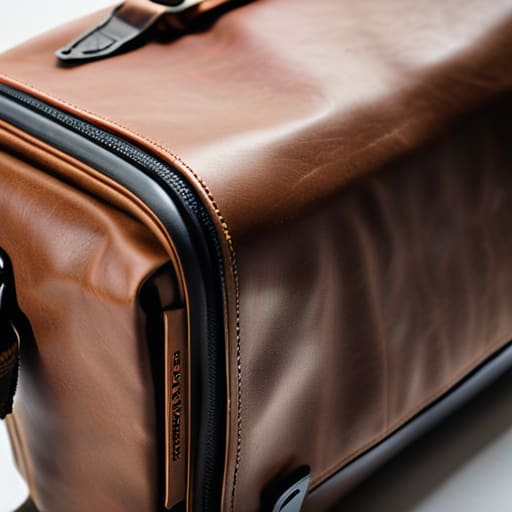
I once spent three hours lugging a “professional” hard-shell case through a rain-slicked alley in Marseille, only to realize the latch had seized and I was essentially carrying a very expensive, waterproof tomb for my sensor. Most gear reviews will tell you how to choose a bag or case based on crush ratings, waterproof zippers, or how many tactical MOLLE loops it has, but they never mention the actual physics of a long day on your feet. They sell you on the idea that more protection equals better security, but if the weight distribution makes you want to quit the production before the first setup, that case isn’t an asset—it’s a liability.
I’m not here to walk you through a spec sheet or help you justify a purchase that’s more about looking like a professional than actually being one. Instead, I want to talk about the reality of access and ergonomics. I’ll show you how to look past the marketing hype to find something that actually respects your spine and your workflow, focusing on how you move from the car to the light source. We’re going to figure out what truly matters for protecting your kit without making the walk to the tripod feel like a punishment.
The Weight of Your Gear Is a Problem of Patience

I’ve spent enough years hauling kits through airport terminals and up narrow staircases in Brussels to know that a bag isn’t just a container; it’s a physical tax you pay on every shoot. You can obsess over the most expensive durable material selection on the market, but if the straps dig into your clavicles after twenty minutes, that gear might as well be made of lead. People often mistake a heavy-duty tactical aesthetic for actual utility. In reality, a bag that forces you to fight your own body is just a way to ensure you’re too exhausted to actually focus on the light once you arrive.
The real metric is storage solution ergonomics. I don’t care if a case has enough impact resistance features to survive a drop from a crane if it takes you ten minutes of fumbling to actually reach your primary lens. If you aren’t utilizing a quick-access compartment design for your essential glass, you’re losing the rhythm of the day. A good case should disappear. It should be a way to move your tools from point A to point B without making the journey the most memorable part of the job.
How to Choose a Bag or Case Without Losing Your Mind
Stop looking at the spec sheets for a second and think about your actual workflow. Most people get caught up in the technicalities of impact resistance features or how many liters a bag holds, but they forget that a bag is just a way to move things from point A to point B. If you buy a massive, rigid trunk because it promises to survive a drop from a helicopter, but you spend twenty minutes digging through it every time you need a fresh battery, you’ve failed. You need a quick-access compartment design that actually works when you’re standing in the rain or in the middle of a tight setup.
The real trick is finding the balance between protection and speed. I’ve seen too many newcomers buy these over-engineered, heavy-duty shells that end up sitting in the back of a van because they’re too much of a chore to unpack. Focus on storage solution ergonomics—how the weight sits on your hips, how easily the straps adjust, and whether you can actually reach your most essential glass without dumping the whole contents on the floor. If the bag makes the job harder, it doesn’t matter how much it costs; it’s a bad tool.
Prioritizing Storage Solution Ergonomics Over Aesthetic Vanity
I’ve spent enough time on-set watching a kid struggle with a bag that looks like it belongs in a high-end fashion magazine to know that style is a secondary concern. You can buy a bag that looks incredible in a studio headshot, but if the straps dig into your traps or the weight distribution is off, you aren’t a filmmaker; you’re just a pack mule with an expensive hobby. Real storage solution ergonomics isn’t about how the bag looks in a mirror; it’s about how it feels after you’ve walked three blocks from a parking garage in the rain to find a light source that actually works.
If you’re looking for something to show off, go to a boutique. If you’re looking to actually do work, look at the quick-access compartment design. You need to be able to reach your most vital piece of glass without performing an archaeological dig through layers of foam. I’ve seen people prioritize a sleek silhouette over a bag that actually lets them swap lenses in ten seconds. At the end of the day, a bag is a tool, not an accessory, and a tool that hurts to carry is just another piece of gear that’s going to end up gathering dust in your closet.
Durable Material Selection When the Weather Actually Matters
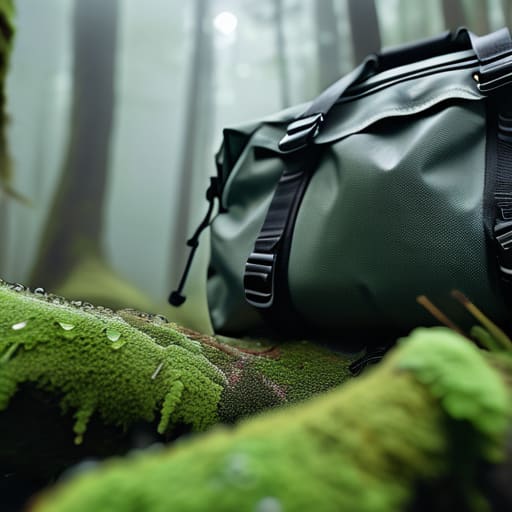
You’ll see a lot of marketing copy about “ruggedness,” but most of it is just noise designed to sell you a bag that looks like it belongs in a tactical gear catalog. In the real world, durable material selection isn’t about looking like a soldier; it’s about whether or not your sensor gets a face full of condensation when you move from a heated van into a damp forest. I’ve seen too many people buy a beautiful, high-end canvas bag only to realize it’s essentially a sponge once the sky opens up. If you aren’t looking at specific weatherproof protection options, you aren’t buying a tool—you’re buying a liability.
Don’t get caught up in the thickness of the nylon if the zippers are garbage. You can have the most heavy-duty shell in the world, but if the teeth on those tracks fail under pressure, the whole thing is useless. I look for impact resistance features that actually serve a purpose, like reinforced bases for when you have to set the kit down on wet gravel, rather than just extra padding that adds unnecessary bulk. At the end of the day, the material should be the last thing you think about, provided it does its job of keeping the moisture where it belongs.
Impact Resistance Features and the Reality of Accidental Drops
We spend a lot of time worrying about the specs of a sensor, but we rarely talk about what happens when that sensor meets a concrete floor. You’ll see marketing copy touting advanced impact resistance features like high-density foam or molded EVA shells, and while those aren’t useless, they aren’t a magic shield. A bag can be built like a tank, but if you’ve packed your lenses so tightly that they’re knocking against each other every time you take a step, the exterior shell won’t save you. The real protection comes from how the interior is organized to prevent gear from becoming a single, heavy mass of colliding glass.
I’ve seen enough “rugged” bags fail because they lacked actual internal structural integrity. It isn’t just about the thickness of the nylon; it’s about whether the padding stays between the equipment when the bag is half-empty. If you’re buying a case based on its ability to survive a fall from a height, you’re planning for a catastrophe. Instead, look for how the dividers hold their shape. You want a system that manages the kinetic energy of your movement, rather than one that just looks tough in a catalog.
Quick Access Compartment Design Saving Time When the Light Fades
There is a specific kind of panic that sets in when you finally find that sliver of golden hour light, only to realize your lens cap is buried at the bottom of a cavernous main compartment. You spend three minutes digging through foam dividers like a kid looking for a lost toy while the sun does what it does best: disappears. This is where quick-access compartment design stops being a luxury and starts being a necessity. If you have to unzip the entire rig just to grab a memory card or a single prime, the bag is working against you, not for you.
I’ve seen too many people prioritize sheer carrying capacity considerations—trying to fit every possible accessory into one massive black hole—at the expense of actual workflow. A bag that holds everything but reveals nothing is just a heavy box. Look for a side-access flap or a dedicated top pocket that lets you reach your most vital tools without disturbing the rest of your kit. It’s about minimizing the friction between seeing a shot and actually capturing it. If the bag forces you to choose between speed and organization, you’ve already lost the light.
Five things the spec sheet won't tell you
- Measure your largest lens, not your camera body. I’ve seen plenty of people buy a case that fits a perfect sensor/battery setup only to realize their 70-200mm makes the whole thing an unusable, bulging mess that won’t zip shut.
- Test the zipper under tension. If you’re shoving a heavy body and two prime lenses into a compartment, that zipper is the only thing standing between your glass and the pavement; if it feels flimsy in the shop, it’s going to fail you on a windy set in November.
- Check the strap attachment points. A bag can be made of Kevlar, but if the D-rings are thin plastic or the stitching looks like an afterthought, the weight of your kit will eventually tear the bag away from your shoulder right when you’re trying to move fast.
- Look for modularity that actually works. Don’t get seduced by “customizable dividers” if they’re too thin to provide real structural support; you want dividers that create a rigid skeleton so your gear isn’t just rattling around in a fabric coffin.
- Consider the “second hand” factor. Ask yourself if you can actually get your hand into the bottom of the bag to grab a battery or a memory card without having to perform a full excavation of every other piece of kit you own.
The bottom line
Stop buying for the kit you want to have and start buying for the kit you actually carry; a bag that fits a dream setup is just a heavy, empty box on a long walk.
Prioritize how the bag moves with your body over how it looks in a gear photo, because your lower back will remember a bad purchase long after the aesthetic novelty has worn off.
If you can’t reach your most essential tool in the time it takes for the sun to drop ten degrees, you’ve bought a storage unit, not a piece of professional equipment.
The fallacy of the perfect kit
I’ve seen enough people spend six months saving for a Pelican case that makes them look like they’re heading into a war zone, only to realize they’ve built a mobile fortress that’s too heavy to actually carry to the location where the light is actually working. Stop buying for the gear you wish you had, and start buying for the distance between your car and the tripod.
Gethin Moreau
The Bottom Line
At the end of the day, your bag isn’t a trophy or a fashion statement; it’s a tool for managing the logistics of a shoot. We’ve talked about weight, ergonomics, and the reality of a sudden downpour, but the common thread is that a bad case creates friction. When you’re fighting a zipper that won’t budge or a strap that’s digging into your shoulder, you aren’t thinking about your composition or your lighting ratios—you’re thinking about how much you hate your gear. A good case should be invisible. It should protect your glass from the grit and the drops, but more importantly, it should allow you to move from the car to the set without losing your momentum or your sanity.
Don’t get caught in the loop of upgrading your kit just to feel like you’re making progress. You can buy the most expensive, weather-sealed, modular ecosystem on the market, but it won’t make you a better cinematographer. The real work happens when you stop worrying about the container and start focusing on the light and the blocking. Pick a case that works, learn its rhythm, and then get out of your own way. The best gear in the world is useless if you’re too exhausted from hauling it to actually see the shot.
