
I remember a shoot in the Highlands back in ’04, standing in a downpour with a production assistant who thought he could save time by shoving a $4,000 prime lens into a padded case like he was packing a sandwich for lunch. We spent the next three hours cleaning grit out of the focus ring while the sun was actually out, wasting the only decent light we’d had all week. Most people think learning how to wrap properly is just about following a checklist or buying a more expensive Pelican case, but they’re wrong. It isn’t about the gear you buy; it’s about the discipline of the pack, ensuring that when you’re exhausted at 2:00 AM, your equipment isn’t fighting you the next morning.
I’m not here to sell you on some proprietary cable management system or a fancy new bag that costs a month’s rent. I’m going to show you how to treat your kit with the respect it deserves so that it actually lasts through a career. We’ll talk about the logic of the wrap—from cables to glass—and why a bit of unromantic preparation is the only thing standing between a professional set and a total gear meltdown.
Why Most People Fail at How to Wrap Properly
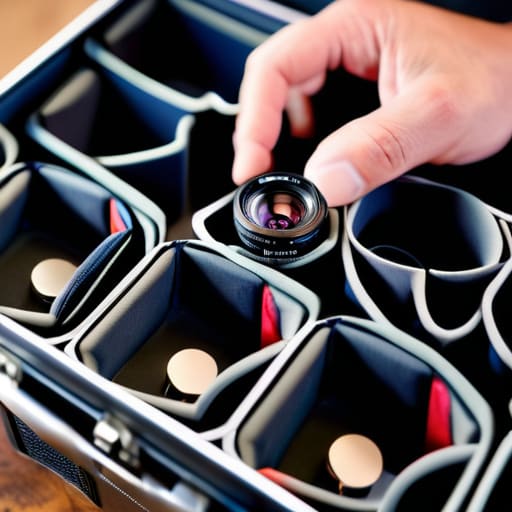
Most people fail because they treat packing like a chore to be finished rather than a part of the job itself. They see it as the final, annoying step before they can go home, so they rush. They toss a lens into a padded bag with a sense of “it’ll be fine,” ignoring the reality that a single loose cable or a poorly placed body can rattle its way into a disaster during a three-hour drive to a location. They lack an efficient wrapping workflow, treating each piece of kit as an isolated object instead of part of a fragile, interconnected system.
The second mistake is a complete lack of material selection for wrapping. I’ve seen guys try to save time by using whatever scraps of cloth or thin bubble wrap are lying around, thinking it’s close enough. It isn’t. When you’re moving gear between trucks or through a rainstorm, those shortcuts turn into expensive lessons. They treat gear protection as an afterthought, but if you don’t have a personal set of standard operating procedures for wrapping, you aren’t managing a kit—you’re just gambling with your livelihood.
Material Selection for Wrapping Choosing Substance Over Hype
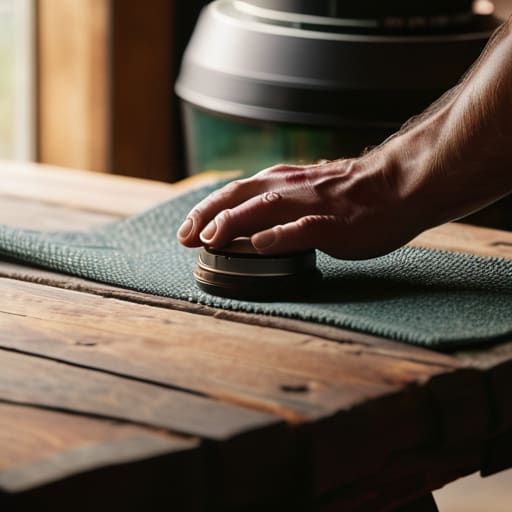
You’ll see kids on YouTube raving about these new, high-tech foam inserts or proprietary padded cases that cost more than my first car. They think the gear is doing the work for them. But if you’re looking at material selection for wrapping through the lens of a spec sheet rather than a practical field kit, you’re already losing. I’ve spent decades watching expensive glass get rattled to death because someone thought a fancy bag replaced the need for actual substance.
The truth is, your protective wrapping techniques should rely on things that don’t fail when the temperature drops or the humidity spikes. I don’t care how many layers of branded neoprene you have if you aren’t using high-density foam or heavy-duty, non-abrasive cloths that actually absorb shock. You need materials that provide a buffer, not just a layer of marketing. If you’re building an efficient wrapping workflow, stop looking for the most expensive solution and start looking for the most reliable one. A roll of high-quality, acid-free tissue and some decent bubble wrap will save your sensor more often than a thousand-dollar hard case ever will.
The Efficient Wrapping Workflow Solving the Problem of Time
If you’re waiting until the wrap is called and the crew is exhausted to start thinking about protection, you’ve already lost the battle. I’ve seen too many productions bleed money because a lens was tossed into a case with nothing but a prayer and a thin layer of bubble wrap. An efficient wrapping workflow isn’t about moving faster; it’s about moving with intention so you aren’t doing the same job twice. I treat the teardown like a reverse setup. You don’t just throw things in a box; you clean, inspect, and then apply your protective wrapping techniques in a specific order that prevents gear from knocking against gear during the transit.
I’ve developed a set of personal standard operating procedures for wrapping that keeps my kit organized and, more importantly, predictable. Start with the glass. Every lens gets its cap, a clean cloth, and its own dedicated space before anything else touches it. Once the optics are safe, you move to the bodies and the heavy stuff. If you build a system where every piece of gear has a logical, sequential home, you stop fighting your own equipment and start respecting the clock. It’s about minimizing chaos before the van doors even close.
Mastering Secure Packaging Methods Without Losing Your Mind
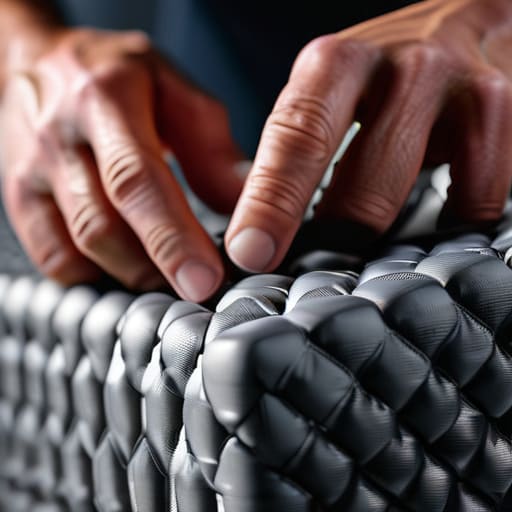
Once you’ve got the right materials, the real test is the execution. I’ve seen enough expensive glass arrive at a location with a hairline fracture because someone thought a single layer of bubble wrap was a substitute for actual thought. You need to establish standard operating procedures for wrapping that don’t rely on how tired you are at 2:00 AM. It’s about creating a system where the gear is immobilized, not just cushioned. If a lens can rattle inside its housing, you haven’t finished the job.
The trick to mastering these secure packaging methods is to stop treating it like a chore and start treating it like part of the prep. Don’t just wrap things until they look bulky; focus on the points of contact. Use your protective wrapping techniques to bridge the gaps between the equipment and the hard walls of the case. I always tell my assistants: if you wouldn’t trust a stranger to drive that box across the country, don’t close the lid. It’s not about being precious; it’s about making sure the gear is ready to work the second it hits the set.
Protective Wrapping Techniques That Actually Save the Scene
Look, there is a difference between shoving a lens into a padded case and actually protecting the glass. Most of the time, when I see a kit being loaded for a location, people are just looking for speed. But if you aren’t using specific protective wrapping techniques for your most sensitive items—like your prime lenses or that one handheld monitor you can’t live without—you’re just gambling. I’ve seen a $5,000 lens survive a bump because it was wrapped with intention, and I’ve seen a cheap kit get trashed because someone thought a piece of foam was a substitute for proper care.
The real trick isn’t about how much material you use, but how you apply it. You need to create a buffer that accounts for movement, not just static pressure. I treat my gear like it’s already broken; I wrap it as if the next bump in the road is the one that counts. This isn’t just about being careful; it’s about establishing standard operating procedures for wrapping that become second nature. When you’re exhausted at the end of a fourteen-hour day, you don’t want to be thinking about physics—you want your muscle memory to handle the job so the gear is safe before you even hit the hotel.
Wrapping Quality Control and Standard Operating Procedures for Success
At the end of a sixteen-hour day, when the light is gone and everyone is dreaming of a cold drink, that’s when the real mistakes happen. You think you’re done, but you’re actually just halfway to a disaster. Establishing standard operating procedures for wrapping isn’t about being a bureaucrat; it’s about making sure the person who has to pack the truck at 4:00 AM isn’t cursing your name because a lens was left sitting in a loose pile of bubble wrap. I’ve seen too many productions lose a sensor to a single poorly secured cable because someone thought “good enough” was a valid way to finish a wrap.
You need a system that functions even when you’re exhausted. This means implementing a personal version of wrapping quality control where you physically touch every piece of gear before it goes into the case. Don’t just glance at it. Check the tension on your ties and ensure the padding hasn’t shifted. If you haven’t verified the integrity of your setup, you haven’t actually finished the job. The work isn’t done when the camera stops rolling; it’s done when the gear is safe.
Five Hard Lessons from the Gear Truck
- Stop treating your cables like they’re indestructible. I’ve seen enough “over-under” failures to know that a poorly coiled cable is a ticking time bomb for your connectors. If you don’t wrap your lines with intention, you’re just pre-ordering a repair bill or a production delay.
- Don’t wrap for the sake of looking neat; wrap for the sake of the next person. If you’re packing a kit for a second unit or a rental house, wrap everything so it can be unpacked in thirty seconds. If I have to spend ten minutes fighting your bubble wrap and tangled velcro, I’m already behind on the light.
- Prioritize the glass, but don’t over-engineer the protection. A lens doesn’t need a fortress, it needs a clean, pressurized environment. Wrap your optics in something that won’t leave lint or residue behind; I’ve spent more time cleaning dust off a sensor than I ever spent actually filming.
- Respect the weight distribution. When you’re wrapping heavy power bricks or battery plates, don’t just stuff them into the corners of a case. If the weight isn’t centered and secured, the momentum of a single bump in the van will turn your expensive gear into a collection of very expensive projectiles.
- Learn to feel the tension. You want your wraps tight enough to stay put, but if you’re pulling on a cable or a strap so hard that the material is straining, you’re creating internal stress. A good wrap should feel like a firm handshake—secure, but not trying to break anything.
The Bottom Line
Gear isn’t invincible just because it has a high price tag; treat every lens and body like it’s the only one you’ve got, because when it arrives broken in a case, no amount of sensor resolution is going to fix the shot.
Stop looking for a magic product and start looking at your process; the difference between a professional kit and a pile of expensive junk is the intention you put into how you pack it.
If you’re rushing the wrap to save five minutes on the road, you’re just trading five minutes of convenience for five hours of troubleshooting on set—and the light won’t wait for you to find your damn tripod.
The Real Cost of a Shortcut
I’ve seen more production days ruined by a loose cable or a poorly wrapped lens than by a faulty sensor. You can spend sixty thousand dollars on a body, but if you treat the wrap like an afterthought, you’re just transporting expensive junk that’s waiting for a reason to fail you when the light is finally right.
Gethin Moreau
The Last Check Before the Load-Out
At the end of the day, wrapping your gear isn’t some tedious administrative chore meant to eat into your wrap time; it is the final act of cinematography. We’ve talked about choosing the right materials, building a workflow that doesn’t leave you frantic at 2:00 AM, and the specific techniques that keep a lens from taking a beating in the back of a van. If you get the material right and follow a standard procedure, you aren’t just protecting glass and sensors—you are protecting your ability to actually work tomorrow. A poorly wrapped kit is a ticking time bomb of broken mounts and scratched coatings, and no amount of high-end sensor tech can compensate for a piece of equipment that arrived at the next location in pieces.
I’ve seen too many young shooters walk into a set with a brand new cinema rig and a sense of entitlement, only to realize they haven’t learned the discipline of the prep. They think the gear does the work, but the gear only does what you allow it to do. Treat your wrap with the same intentionality you bring to your lighting setup or your blocking. It’s about respecting the tools and, more importantly, respecting the craft. When you finally click that case shut, do it with the confidence that comes from knowing you didn’t just finish a job, but you protected the integrity of the next one.
