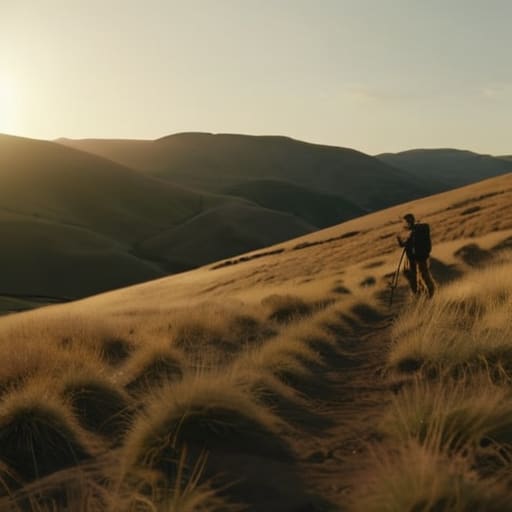
I remember a shoot in a damp basement in South London, twenty years ago, where the only “gear” I had was a single light, a tripod that wobbled if you breathed on it, and a sense of mounting dread. I spent three hours trying to figure out how to shoot with one camera and no crew while the talent stared at me like I was an idiot. Most of the gear reviews you see online today will tell you that the solution to that kind of stress is a more expensive gimbal or a sensor with better dynamic range. They’re wrong. You don’t need a more expensive sensor to fix a scene that lacks intentionality; you just need to know how to use the light that’s already in the room and how to position yourself so you aren’t fighting your own equipment every ten minutes.
In this piece, I’m not going to sell you a dream of cinematic perfection through a credit card swipe. Instead, I’m going to talk about the practicalities of coverage, the discipline of blocking, and how to build a shot list that actually allows you to edit a coherent story without a second angle. We’re going to focus on where you stand and how you see, because that is the only thing that truly matters when you are the entire production.
Understanding How to Shoot With One Camera and No Crew
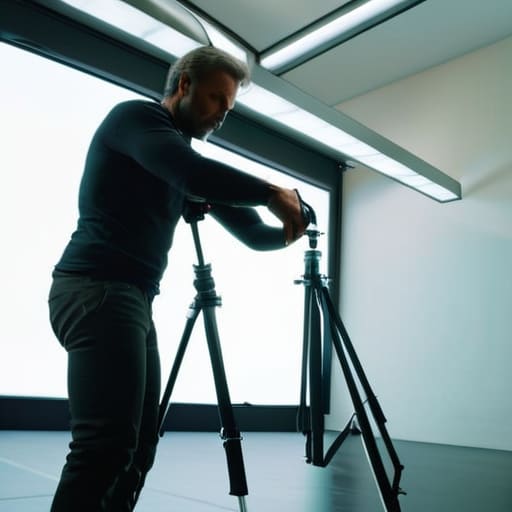
When you’re working a solo set, you have to stop thinking like a director and start thinking like a technician who happens to be the talent. The biggest mistake I see is people treating their gear like a collection of toys rather than a workflow. In a single operator video production, your biggest enemy isn’t a lack of resolution; it’s the physical distance between your eyes and the lens. You aren’t just framing a shot; you are managing a set that includes yourself. This means your solo cinematography gear setup needs to be something you can manipulate without needing a second pair of hands to adjust a tripod or tighten a follow focus.
Efficiency is the only way to survive a day of self-filming. If it takes you twenty minutes to reset a light or find your focus, you’ve already lost the momentum of the scene. I always tell people to prioritize managing lighting alone by using practicals or large, forgiving light sources that don’t require micro-adjustments every time you move. You have to learn to work within the constraints of your environment rather than fighting them. If the light is coming from a window, that is your key; don’t waste an hour trying to fight it with a tiny LED panel that won’t move the needle.
Key Things to Know
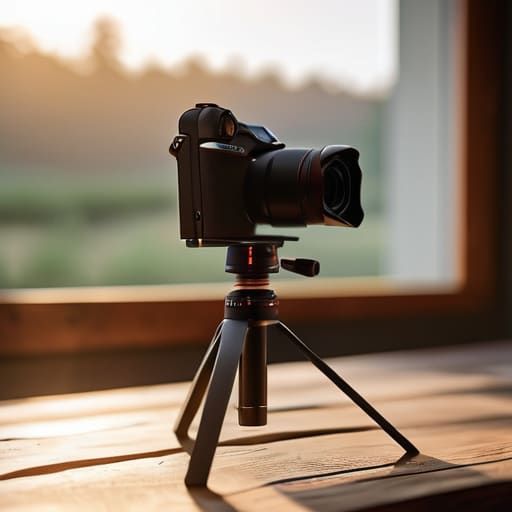
First, stop thinking about what you can’t do and start thinking about what you can control. When you’re the one setting the tripod and the one hitting record, you lose the luxury of a second pair of eyes. This means your solo cinematography gear setup needs to be intuitive, not complicated. If it takes you twenty minutes to balance a gimbal or find a menu setting, you’ve already lost the light. I’ve learned that the more complex the rig, the more ways it has to fail you when you’re standing alone in a room.
Second, you have to respect the physics of the space. Most people get caught up in minimalist filmmaking equipment—trying to find the lightest, cheapest way to get the shot—but they forget that light doesn’t care about your budget. If you are managing lighting alone, you aren’t just a director; you are the gaffer, the grip, and the electric. You need to learn how to use the windows, the practical lamps already in the room, and maybe one single, reliable key light. If you can’t control the source, you aren’t making a film; you’re just hoping the sun stays out.
Practical Tips and Steps
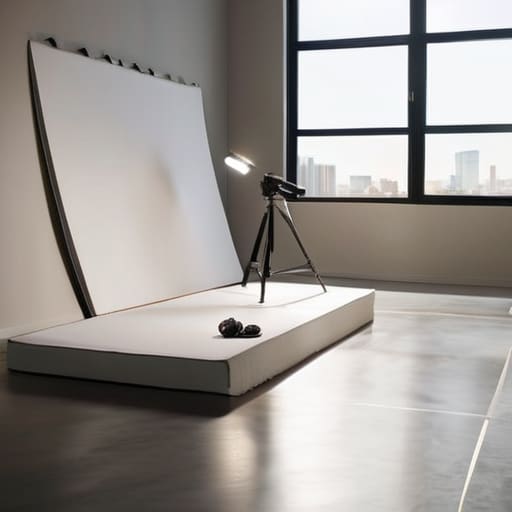
First, stop thinking about your gear list and start thinking about your floor plan. When you’re the only person on set, you don’t have the luxury of a grip to hold a flag or a focus puller to watch the lens. You have to build your setup around where the light is coming from before you even touch the tripod. If you’re managing lighting alone, lean into single-source setups. A single well-placed key light and a piece of foam core for a bounce will do more for your image than a bag full of cheap LED panels you can’t control.
Once the light is set, focus on your coverage. I’ve seen too many solo operators try to do everything in one long, sweeping take, only to realize they have nothing to cut to when the performance falters. Instead, embrace a minimalist filmmaking equipment approach: set your wide, lock it down, and then move the tripod for your close-ups. It’s tedious, and it’s slow, but it’s the only way to ensure you actually have a scene that can be edited. If you need movement, don’t try to fly a gimbal by yourself; just improvise camera movements using a sturdy tripod head or a simple slider. It’s predictable, it’s repeatable, and it doesn’t require a second pair of hands.
Common Mistakes to Avoid
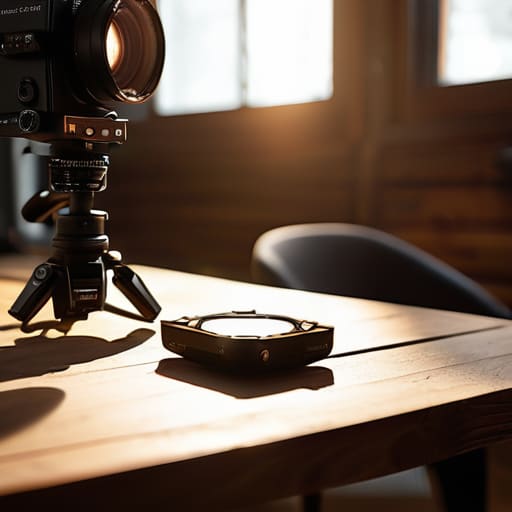
The biggest mistake I see isn’t a lack of talent; it’s the assumption that a fancy new sensor will compensate for a lack of preparation. People spend months saving for a cinema camera only to realize they haven’t thought about where the light is coming from. When you are engaged in single operator video production, you cannot rely on a gaffer to fix a muddy frame mid-scene. If you don’t check your exposure and your light placement before you hit record, you aren’t making a film; you’re just capturing data that a colorist won’t be able to save.
Another trap is the obsession with complex movement. I see creators trying to execute elaborate pans or tracking shots that they clearly can’t manage alone, resulting in shaky, unwatchable footage. Stop trying to mimic a crane shot if you don’t have the stability to back it up. Instead, focus on solid, intentional blocking. If you’re struggling with managing lighting alone, don’t try to add more lamps to solve the problem—just move your subject closer to the window. Simplify the setup, get the coverage, and stop fighting the physics of your environment.
Final Thoughts
At the end of the day, the gear you’re eyeing on those spec sheets won’t do the heavy lifting for you. You can build the most expensive solo cinematography gear setup in the world, but if you haven’t spent the time figuring out how to manage your light or how to check your focus without a second pair of eyes, you’re just making expensive mistakes. I’ve seen guys with REDs and Arris struggle to tell a coherent story because they were too busy worrying about bitrates and not enough about the rhythm of the scene.
If you’re moving into single operator video production, embrace the limitations. Use them to force yourself to be more intentional with your blocking and more disciplined with your coverage. You don’t need a grip truck to make an image feel cinematic; you just need to understand how the light hits a face and have the patience to wait for the right moment. Stop looking for the magic purchase and start looking at where you’re standing. That’s where the real work happens.
Five Ways to Keep Your Sanity When You’re the Only One on Set
- Stop chasing the perfect lens and start chasing the light. When you’re working alone, you don’t have a Gaffer to bounce a heavy silk or a Key Grip to move a stand. You have to learn to work with what’s already there. If the sun is moving or the window light is dying, your “perfect” setup is gone. Learn to shape the light you have—using a single reflector or even a white bedsheet—rather than spending forty minutes trying to rig a light that you can’t afford to move once you’re behind the lens.
- Plan your coverage like you’re writing the edit, not just filming the action. A common trap for the solo shooter is getting a great wide shot and then thinking the job is done. You aren’t. You need the medium, you need the close-ups, and you need the cutaways. If you don’t build a plan that accounts for the “glue” shots—the hands, the eyes, the objects in the room—you’re going to find yourself staring at a timeline of unusable footage that you can’t stitch together.
- Use your tripod as a second set of eyes, not just a stabilizer. When you’re solo, you lose the ability to “feel” the frame through someone else’s perspective. Set your shot, hit record, and then walk away. Move to where the actor is going to be. Stand where the viewer is supposed to stand. If you stay glued to the viewfinder, you’ll miss the fact that your composition is technically sound but emotionally hollow.
- Audio is the one thing a sensor can’t fix. I see people saving up for a cinema camera with 16 stops of dynamic range, but they’re using the built-in mic or a cheap shotgun taped to the top of the rig. A beautiful image with thin, echoing, or wind-clipped audio is unwatchable. If you can’t afford a dedicated sound person, invest in a decent lavalier or a dedicated recorder and get that mic as close to the source as humanly possible. You can color-grade a shadow, but you can’t color-grade a hiss.
- Embrace the “Good Enough” principle to avoid burnout. There is a specific kind of madness that comes from trying to achieve a Hollywood-level lighting setup while you are also the person setting the tripod, checking the focus, and managing the batteries. If the light is motivated and the subject is sharp, move on. Perfectionism is a luxury for crews with twelve people; for the solo operator, momentum is the only thing that actually gets a project finished.
The Bottom Line
Stop looking for a better sensor and start looking for a better light source; your image is defined by where the photons are coming from, not the bit depth of your files.
Prioritize coverage that makes sense for the edit, because if you haven’t shot enough angles to actually cut the scene together, all the high-end glass in the world won’t save you.
Respect the physics of your space—distance and placement will always trump gear, so learn to work with the light you have rather than trying to buy your way out of a bad setup.
The Solo Operator's Reality
When you’re the one pulling focus, setting the lights, and hitting the record button, you don’t have the luxury of chasing a specific sensor’s dynamic range; you have to chase the light itself, because a well-placed window and a bit of patience will do more for your edit than any expensive piece of glass ever could.
Gethin Moreau
The Reality of the Solo Set
At the end of the day, shooting without a crew isn’t about finding the perfect way to mimic a big production; it’s about accepting the limitations and working within them. You’ve learned that you can’t just hit record and hope for the best. You have to obsess over where that single light source is sitting, ensure your coverage is tight enough to actually build a scene in the edit, and have the discipline to check your focus before you move on. It’s a slow, often frustrating process of managing light, distance, and your own stamina, but it forces you to understand the mechanics of a shot in a way a pampered operator never will. If you get the lighting right and the blocking makes sense, the gear becomes secondary to the story you’re actually telling.
Don’t let the lack of a grip truck or a dedicated AC make you feel like you aren’t making “real” cinema. I’ve seen million-dollar setups produce images that felt hollow, and I’ve seen a guy with a single LED panel and a tripod capture something that stayed with me for a decade. The camera is just a box that records light; the vision comes from your ability to see the frame before you even power it on. Stop waiting for the day you can afford a crew to start being a filmmaker. Use what you have, master the light you’ve got, and just keep rolling.
