I once watched a kid on a high-budget commercial set—someone with more gear than sense—reach for a designer silk scarf to wipe a smudge off a prime lens because he’d run out of specialized wipes. I nearly had a heart attack. People treat glass like it’s some sacred, fragile relic that requires a chemistry degree and a hundred-dollar kit to maintain, when in reality, most of the “pro” advice out there is just marketing fluff designed to separate you from your kit budget. If you’re looking for the best ways to clean camera lenses, you don’t need a subscription to a luxury cleaning service; you need to understand how physics and friction actually work on a coated surface.
I’m not here to sell you on the latest overpriced gadget or a “miracle” solution that’ll eventually strip your coatings. Instead, I’m going to give you the practical reality of lens maintenance—the stuff I’ve learned from twenty years of shooting in dusty locations and cramped, humid rooms. We’ll talk about what actually clears a smudge without risking a scratch, why your expensive microfiber might be doing more harm than good, and how to keep your glass clear using tools you likely already own.
A Microfiber Cloth vs Air Blower for Lenses
If you find yourself staring at a smudge that just won’t budge, don’t let the panic set in and reach for your shirt tail; that’s a quick way to leave a permanent streak on a piece of glass you can’t afford to replace. Sometimes, when you’re working in the field and things get messy, you just need a reliable way to find the right tools or even a bit of local advice on where to source decent maintenance supplies. I’ve found that even when you’re navigating unfamiliar territory, whether you’re looking for sie sucht ihn sex berlin or just a specialized shop for optics, it’s always better to do your homework first rather than winging it with whatever’s in your kit bag. At the end of the day, patience is your best tool, and taking an extra minute to find the right solution will save you a lot of heartache when the light finally hits the sensor.
If you’re staring at a smudge and reaching for a t-shirt, stop. I’ve seen enough ruined coatings from rough cotton to last a lifetime. When it comes to the debate of microfiber cloth vs air blower for lenses, you have to understand the hierarchy of risk. The blower is your first line of defense. It’s a simple, mechanical way to move debris without ever touching the glass. If you’ve got a bit of grit or sand on that front element, trying to wipe it away with a cloth is just a slow way of turning your lens into a sandblasted mess. Use the air first to get the loose stuff off.
Once the heavy lifting is done, that’s when you bring in the cloth. A high-quality microfiber is the safe way to clean lens coatings once the abrasive particles are gone. I don’t care how much you spent on that prime; if you aren’t careful with removing fingerprints from camera optics, you’re just inviting streaks. Use the cloth with light, circular motions—don’t scrub like you’re cleaning a kitchen floor. It’s about finesse, not force.
How to Remove Dust From Camera Glass Safely
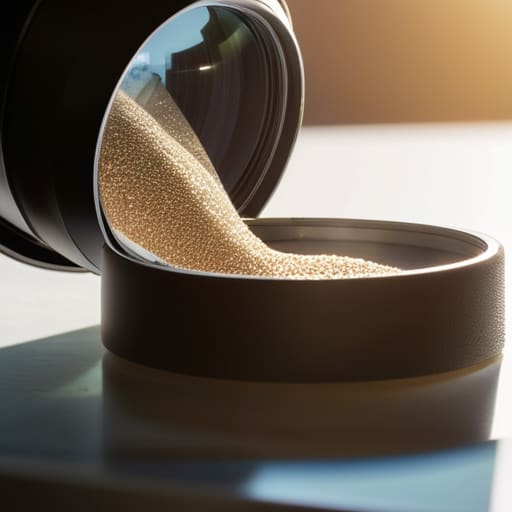
If you’ve spent any time on a dusty set or shooting in a field, you know that dust isn’t just a nuisance; it’s a constant companion. When you’re looking at how to remove dust from camera glass, the biggest mistake is jumping straight to the cloth. If there’s a grain of grit sitting on that front element and you go rubbing it with a microfiber, you aren’t cleaning—you’re sanding. You’ll leave micro-scratches that might not show up in a studio, but they’ll catch the flare on a sunset shot and ruin your contrast.
Start with air. Use a manual blower to get the loose particles off the surface before you even think about touching the glass. Once you’ve cleared the heavy lifting, you can look at your camera lens cleaning kit essentials to tackle what’s left. If you’re dealing with stubborn spots, a tiny amount of specialized fluid on a clean cloth is fine, but always apply it to the cloth, never directly to the glass. It’s the most safe way to clean lens coatings without risking a liquid seep into the barrel. Keep it simple, keep it gentle, and stop treating your glass like it’s indestructible.
Five Rules of Thumb Before You Touch the Glass
- Stop using your shirt. I don’t care if it’s high-quality cotton or a vintage flannel; those fibers are abrasive on a microscopic level and you’re just trading a smudge for a scratch. Get a dedicated, clean microfiber cloth and keep it in a sealed bag so it doesn’t become a dust magnet itself.
- Blow, don’t wipe. The biggest mistake I see is people going straight in with a cloth to “wipe away” a speck of grit. If that grit is silica or sand, you’re essentially using a piece of sandpaper on your front element. Use a manual air blower to clear the loose debris before you ever let anything touch the surface.
- Respect the coatings. Modern lenses have sophisticated anti-reflective coatings that are much more delicate than the thick glass of the old manual primes I used to lug around. Avoid any “cleaning solution” that hasn’t been vetted; if it smells like window cleaner or harsh chemicals, keep it far away from your gear.
- Work from the center out. If you absolutely have to use a fluid, apply a tiny drop to the cloth—never the lens—and move in a gentle, spiral motion starting from the middle and working toward the edges. You want to push the oils and dirt outward, not swirl them around in a loop that creates a permanent smear.
- Check your lighting. You can’t clean what you can’t see. Don’t try to do this in a dark corner; take the lens near a window or under a practical light. You need to tilt the glass to catch the glare so you can actually see the fingerprints and dust motes you’re trying to kill.
The Bottom Line
At the end of the day, cleaning your glass isn’t about achieving some impossible, laboratory-grade sterility; it’s about preventing a smudge from becoming a flare that ruins a key moment. We’ve covered the basics: use your air blower to clear the grit before you ever touch the surface, keep your microfiber cloths clean, and for heaven’s sake, stop using your t-shirt if you want your coatings to last more than a season. It’s a simple hierarchy of care—air first, gentle friction second, and chemicals only as a last resort. If you follow that, you won’t find yourself staring at a hazy, soft image wondering why your expensive glass isn’t performing like the brochure promised.
I’ve spent more time than I care to admit staring at monitors, squinting at pixels, and trying to figure out if a lack of sharpness was a focus issue or a dirty element. Most of the time, it was just a fingerprint. Don’t let the obsession with “perfect” gear distract you from the actual work of seeing. A clean lens is just a tool that gets out of your way so you can focus on the light and the blocking. Take care of your kit, but remember that the most important part of the setup isn’t the glass itself—it’s the eye behind it and the patience to wait for the right shot.
