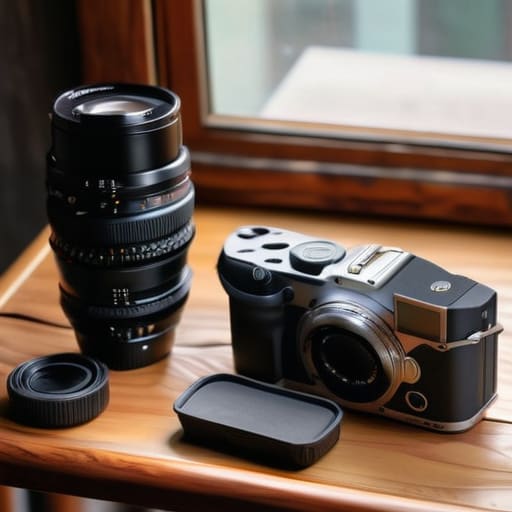
I once spent four hours in a humid terminal in Bangkok, sweating through my shirt because I’d convinced myself I needed every single prime lens and a heavy-duty flight case to be “prepared.” I was so busy guarding my precious glass that I missed the actual light—the way the sun was hitting the street markets just outside the airport—because I was too preoccupied with my overstuffed Pelican cases. People love to complicate how to travel with camera equipment, acting as if your ability to capture a story depends on having a specialized, modular ecosystem for every single piece of kit. It’s a lie. Most of that extra weight is just expensive anxiety wrapped in hard plastic.
I’m not here to sell you on the latest ruggedized, weather-sealed backpack that costs more than a month’s rent. Instead, I want to talk about what actually happens when you’re lugging a kit through a crowded train station or a dirt road. I’ll show you how to prioritize your kit so you can focus on the actual work rather than your luggage, and how to protect what matters without turning yourself into a pack mule. This is about efficiency, not gear lists.
Understanding How to Travel With Camera Equipment
Before you start staring at spreadsheets or scrolling through endless reviews of the latest hard-shell cases, you need to decide what kind of shooter you are being for this trip. There is a massive difference between a weekend wedding gig in a different time zone and a documentary shoot where you’re hauling a rigged-out cinema body through three airports. If you’re moving heavy glass and bodies, you aren’t just managing weight; you’re managing risk. I’ve seen too many young operators treat their kit like it’s invincible, only to realize that a TSA agent doesn’t care about your custom foam inserts when they decide to toss your bag around like a sack of flour.
The first step isn’t building a camera gear packing list; it’s deciding what you can actually live without. If a piece of kit doesn’t fundamentally change the way you see the light or the way you tell the story, leave it in the studio. When you’re navigating photography equipment airline regulations, remember that every extra ounce is a headache waiting to happen at the check-in counter. You want to be thinking about your first setup upon arrival, not praying that your sensor didn’t take a hit in the cargo hold.
Key Things to Know
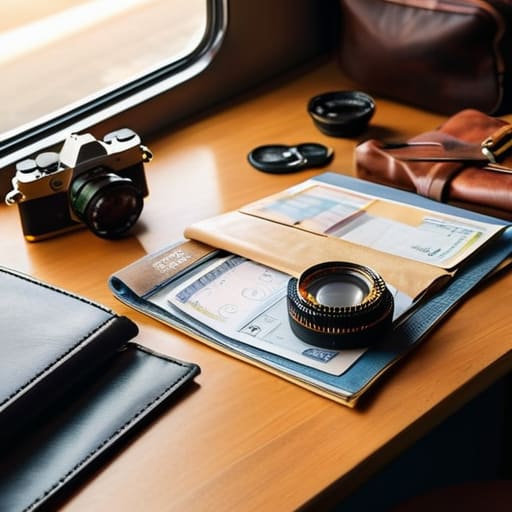
First, stop thinking about your gear as a collection of expensive gadgets and start thinking about it as a series of fragile dependencies. If you’re flying internationally with a significant kit, you need to look into an ATA Carnet for photographers before you even think about booking a flight. It’s a headache, I know, but trying to explain to a customs officer why you have three bodies and a dozen prime lenses without the right paperwork is a quick way to ruin a production day before it even starts.
When it comes to the actual physical movement, your camera gear packing list shouldn’t just be a tally of what you own, but a strategy for how much weight you can actually carry without breaking your back. I’ve seen too many young shooters try to lug a full grip kit through a terminal when they should have just prioritized the glass. Focus on protecting lenses during transit by using hard cases for the long hauls, but don’t get so bogged down in the logistics that you forget the most important part of the job: being ready to shoot the moment you land.
Practical Tips and Steps
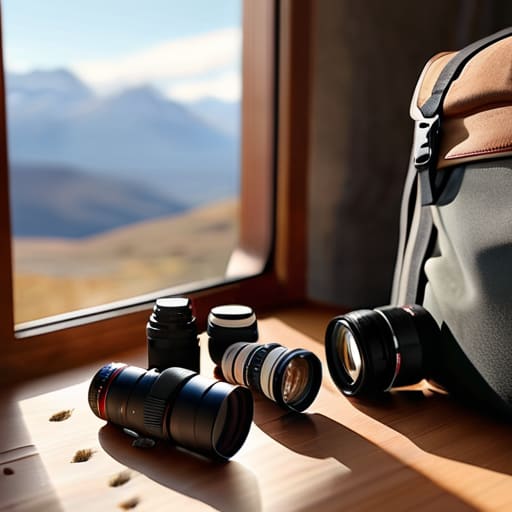
First, stop thinking about your gear as a collection of expensive gadgets and start thinking about it as a series of fragile physics problems. When I’m building a camera gear packing list, I don’t start with the bodies; I start with the most delicate glass. You need to be obsessive about protecting lenses during transit. I’ve seen too many people toss a lens into a padded compartment like it’s a pair of sneakers, only to find the element shifted or the mount stressed by the time they land. Use individual hard cases for the heavy stuff, but for everything else, ensure there is zero movement inside the bag. If you shake the bag and hear a single click, you aren’t ready to board.
Second, let’s talk about the bureaucracy that keeps you from actually shooting. If you’re crossing borders with a kit that looks like it belongs in a rental house, don’t leave your fate to the whims of a tired customs agent. Get an ATA Carnet for photographers before you leave. It’s a headache to organize, but it’s the only way to prove you aren’t trying to smuggle professional kit into a country to sell it on the black market. It turns a potential three-hour interrogation into a simple paperwork check, leaving you more time to find the light.
Common Mistakes to Avoid
The biggest mistake I see is the “just in case” mentality. People show up to a location with a massive, overstuffed camera gear packing list, thinking more glass equals more options. In reality, you’re just hauling dead weight that makes you a target and slows your movement. If you haven’t thought about where that piece of kit sits in a frame before you packed it, you probably shouldn’t be carrying it across a border.
Then there’s the paperwork trap. I’ve seen young shooters get stuck in customs for three days because they didn’t realize they needed an ATA Carnet for photographers. It’s a headache you can avoid with twenty minutes of prep, but if you ignore it, you’ll spend more time arguing with officials than actually looking at the light.
Finally, don’t be the person who treats their bag like a fashion statement. I’ve seen enough “lifestyle” bags to know they aren’t built for the rigors of a terminal. If you aren’t prioritizing protecting lenses during transit with actual hard-shell cases or high-density foam, you’re just gambling with your livelihood.
Final Thoughts
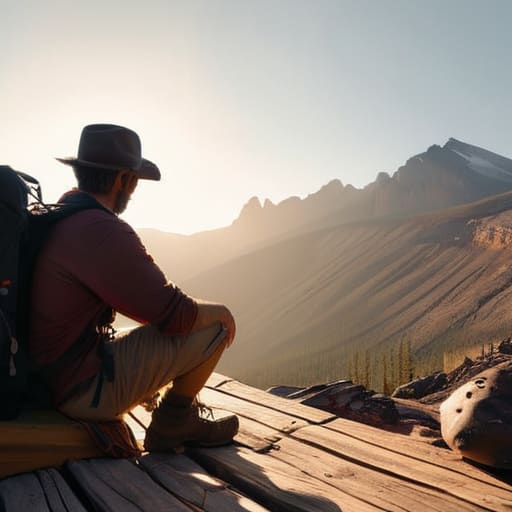
At the end of the day, your job isn’t to be a professional packer; it’s to be a professional filmmaker who happens to be in a different zip code. You can spend weeks obsessing over the perfect camera gear packing list, but if you arrive at the location too exhausted to see the light, the gear didn’t matter. The goal is to reach the set with your glass intact and your head clear. Don’t let the logistics of protecting lenses during transit become a distraction from the actual work you’re there to do.
If you’ve done the prep work—checked the airline regulations, organized your cables, and secured your most sensitive pieces—then trust the process. Most of the stress comes from the fear of the unknown, but a bit of discipline goes further than any expensive hard case. Get your kit through security, find your light, and focus on the frame. The gear is just a means to an end, and once you’re behind the eyepiece, the travel is already behind you.
Five Rules for Not Losing Your Mind (or Your Glass)
- Pack for the person who has to carry it, not the person who owns it. I’ve seen too many young shooters bring a heavy Pelican case that’s a dream in a van but a nightmare on a cobblestone street in Prague. If you can’t carry it comfortably for three blocks, you’ll end up leaving the best lens in the hotel room.
- Treat your lenses like they’re made of sugar. It sounds dramatic, but a bump in a cargo hold can misalign an element, and no amount of sensor cleaning will fix a soft image caused by a jarred glass element. Keep your primes in individual, padded pouches rather than throwing them all into one big bag where they can knock teeth.
- Redundancy is cheaper than a missed shoot. If you’re traveling for a job, don’t rely on a single SD card or a single battery. I’ve sat in airports waiting for a replacement part that never came because I thought “it’ll be fine.” Bring two of everything that can fail, and keep them in separate bags.
- Document your gear before you even close the lid. Take a photo of your kit list and your serial numbers. If a customs agent decides to hold your bag for “inspection,” you want to be able to prove exactly what’s inside and why you need it, rather than arguing about whether that specific monitor was a gift or a purchase.
- The “Last In, First Out” rule is your best friend. The items you need most—your camera body, a single versatile lens, and your batteries—should be the last things you pack into your main luggage and the first things you pull out. If your checked bag goes missing, you should still be able to shoot a decent B-roll sequence with what’s in your carry-on.
The Bottom Line
Prioritize the light and the story over the kit; a heavy bag of useless glass won’t save a shot that you’re too exhausted or disorganized to actually capture.
Protect your gear with enough common sense to keep it safe, but don’t let the logistics of packing become a substitute for actually planning your coverage.
Remember that most travel headaches are solved by better preparation and a bit of patience, not by buying a more expensive hard case.
The Weight of the Kit
You can buy the most expensive sensor on the market, but if you spend your entire trip wrestling with overstuffed hard cases and fighting customs agents, you’re going to miss the light. Travel light enough that you can actually react when the sun hits the window right, because no amount of protective padding can fix a missed shot.
Gethin Moreau
The Final Check
At the end of the day, traveling with a kit isn’t about having the most expensive Pelican cases or the most organized spreadsheet; it’s about managing risk so you can actually do your job when you land. You’ve learned to prioritize your glass, protect your sensors, and handle the logistics of customs without losing your mind. Remember that every piece of gear you pack is a potential point of failure, a weight on your back, or a headache at security. If you can master the balance between having enough coverage to actually tell the story and carrying so much that you’re too exhausted to see the light, you’re already ahead of most of the kids coming up behind us. Keep your essentials close, your backups redundant, and your expectations grounded in reality.
I’ve spent decades lugging heavy kits through airports and muddy fields, and if there’s one thing I’ve learned, it’s that the gear is just the medium. You can have the most meticulously packed, climate-controlled, armored camera system in the world, but it won’t matter if you arrive at the location too tired to notice how the sun is hitting the subject. Don’t let the logistics of the journey swallow the purpose of the trip. Pack smart, protect your tools, but never forget that the best camera is the one you can actually use to capture the moment. The light won’t wait for you to finish unpacking your tripod.
