I spent most of my twenties watching people panic over bitrates and dynamic range specs, convinced that a higher number on a spreadsheet was the magic ingredient for a good image. I’ve seen more “cinematic” footage ruined by poor lighting and lazy blocking than I have by a subpar sensor, yet I still see beginners losing sleep over gear reviews instead of learning how to see. If you’re currently staring at a dozen different spec sheets trying to figure out how to choose your first camera, you’re likely falling into the trap of thinking the machine makes the movie. It doesn’t; the light does.
Once you’ve wrapped your head around sensors and bodies, you’ll inevitably start looking at the actual glass, and that’s where the real rabbit hole begins. Don’t go buying a kit lens just because it came in the box; most of the time, you’re better off hunting for a single, solid prime that forces you to actually move your feet to get the shot. If you find yourself getting lost in the weeds of technical compatibility or wondering which specific focal lengths will actually serve your style, I’ve found that checking out the breakdowns over at ao huren can save you a lot of expensive guesswork. It’s better to spend a few hours researching the optical characteristics of a lens now than to realize halfway through a shoot that you bought a piece of glass that can’t handle the light you’ve been given.
I’m not here to sell you a dream or push a specific brand’s marketing agenda. What I am going to do is strip away the hype and talk about what actually matters when you’re standing in a room with nothing but a subject and a single lamp. I’ll tell you which features are worth your hard-earned money and which ones are just expensive distractions that won’t help you when the sun starts going down. We’re going to focus on ergonomics, light handling, and how to pick a tool that actually helps you tell a story rather than one that just looks good in an Instagram unboxing video.
Mirrorless vs Dslr for Beginners Finding Your Working Distance
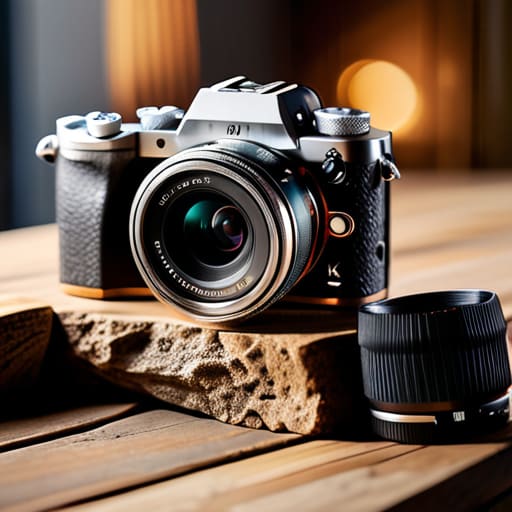
You’ll spend half your time in forums arguing about mirrorless vs DSLR for beginners, as if the difference in the viewfinder is what’s going to make your shot. It isn’t. If you’re looking at the mirrorless crowd, you’re usually paying for a smaller footprint and faster autofocus—things that are nice when you’re working solo, but don’t inherently make you a better storyteller. A DSLR is a tank; it’s reliable, the battery life won’t die on you mid-scene, and you can pick up a used body for pennies.
The real question isn’t about the mirror, it’s about how much space you have to work with. When you’re navigating this beginner photography gear guide, stop looking at the brand and start looking at the glass. A mirrorless system might give you a sleeker setup for tight spaces, but if you can’t get the right focal length to create separation between your subject and the background, you’re just filming a flat, boring mess. The gear is just the middleman between your eye and the light.
Understanding Camera Sensor Sizes and the Myth of Perfection
You’ll see a lot of people arguing that a larger sensor is the only way to get “professional” results, but that’s a half-truth that leads to a lot of wasted money. When you’re looking at understanding camera sensor sizes, the real conversation isn’t about magic numbers or megapixels; it’s about how that surface area interacts with your light and your lens choice. A full-frame sensor offers that shallow depth of field people crave, sure, but it also demands more light and more expensive glass to make it work. If you’re working in tight rooms or shooting handheld, a crop sensor might actually be your best friend because it gives you more reach without the massive weight.
The truth is, most people treat sensor size like a status symbol rather than a tool. I’ve seen guys walk onto sets with massive full-frame rigs only to shoot flat, lifeless footage because they didn’t understand how to shape the light. Don’t let the marketing fool you into thinking a bigger sensor is a shortcut to better images. If you’re browsing a beginner photography gear guide, remember that the sensor is just a bucket for light; how you fill that bucket with your lighting and your composition is what actually determines if the shot is worth keeping.
Five Things to Check Before You Swipe Your Card
- Prioritize the ergonomics and the weight. I’ve seen plenty of beginners buy a powerhouse of a camera only to realize it’s too heavy to hold steady for a ten-minute interview, or too small to actually grip when things get frantic. If it doesn’t feel right in your hands after twenty minutes, you won’t want to pick it up after two hours.
- Look at the lens mount, not just the body. You can always upgrade a sensor later, but you’re stuck with the glass ecosystem you choose. Buy a system that has a healthy range of affordable, used lenses available. A mediocre camera with a great lens will always beat a cinema camera with a kit lens.
- Check the audio inputs. People obsess over bitrates and dynamic range, but if your camera doesn’t have a decent way to get clean sound into the machine, you aren’t making a film—you’re making a silent movie that nobody wants to watch. Make sure it can take an external mic without a mess of adapters.
- Don’t fall for the “4K” hype if you don’t have the storage or the computer to handle it. I’ve seen more projects die in the editing suite because the files were too massive to move, rather than because the image wasn’t sharp enough. Ensure the file format matches what you can actually manage to edit.
- Buy for the light you actually have. If you’re mostly shooting in apartments or dim rooms, don’t buy a camera that requires a sunburst to get a clean image. Look for a sensor that handles high ISO gracefully, because in the real world, the lighting is rarely as perfect as the gear reviews suggest.
The Bottom Line
At the end of the day, your choice between a DSLR or a mirrorless system, or whether you’re shooting on a micro four-thirds or a full-frame sensor, is just a series of technical compromises. You’ve looked at the specs, you’ve weighed the sensor sizes, and you’ve likely convinced yourself that a specific bit of glass or a certain dynamic range is the missing ingredient in your work. But let’s be honest: the gear is just the vessel. If you don’t understand how the light hits a subject or how to position yourself to get a clean shot that actually serves the story, the most expensive sensor in the world is just going to record your mistakes in higher resolution. Stop chasing the perfect spec sheet and start focusing on how the tool fits your hands and your workflow.
My advice? Pick something that works, something you can afford without going into debt, and then get out of your own way. The best way to learn isn’t by reading more reviews or watching gear unboxings; it’s by standing in a room, looking at where the light is coming from, and figuring out how to capture it. You will shoot better material on a mediocre camera that you understand intimately than on a cinema rig you’re too afraid to move. The gear will eventually become invisible, but your eye—that’s what stays. Go make something.
