
I spent three hours last Tuesday watching a kid unbox a $4,000 cinema camera just to film himself talking about how much he loves “content creation.” It’s the same cycle I’ve seen for twenty years: people think a higher bit rate or a sharper sensor is going to fix a boring story or a poorly lit room. If you’re looking for a complete guide to short form video that tells you which lens to buy to go viral, you’re in the wrong place. Most of those guides are just expensive gear catalogs masquerading as advice, and frankly, they’re missing the point.
I’m not here to sell you a dream or a subscription to a plugin suite. I want to talk about why your subject looks like they’re trapped in a basement, how to block a movement so it doesn’t look frantic, and why your edit is falling apart because you didn’t get the coverage you needed in the first place. This is a guide built on practicality and patience. I’ll tell you when the gear matters, but more importantly, I’ll tell you how to make something worth watching with whatever is currently sitting in your camera bag.
The Complete Guide to Short Form Video Light Distance and Intent

If you want to survive the current landscape of vertical video content creation, you have to stop treating your phone like a toy and start treating it like a camera. Most people think the secret to the TikTok and Reels algorithm tips they keep reading about is a faster shutter speed or a more expensive ring light. It isn’t. The algorithm doesn’t care about your sensor’s dynamic range; it cares about whether the viewer stays. That comes down to how you use light to direct the eye. If your subject is flat and washed out by a ceiling fixture, you’ve lost them before the first sentence is even finished. I always tell my assistants: find the window, find the shadow, and build the shape of the face before you even think about hitting record.
Once you’ve got the light sorted, you need to worry about distance and the logic of the frame. In short form video storytelling techniques, the proximity of the lens to the subject dictates the intimacy of the moment. If you’re too far away, you’re just a spectator; if you’re too close without a plan, you’re just messy. You need to shoot with the edit in mind, ensuring you have enough coverage to maintain those crucial audience retention metrics. It’s about the intentionality of the frame, not just the resolution.
Vertical Video Content Creation Framing the Human Element
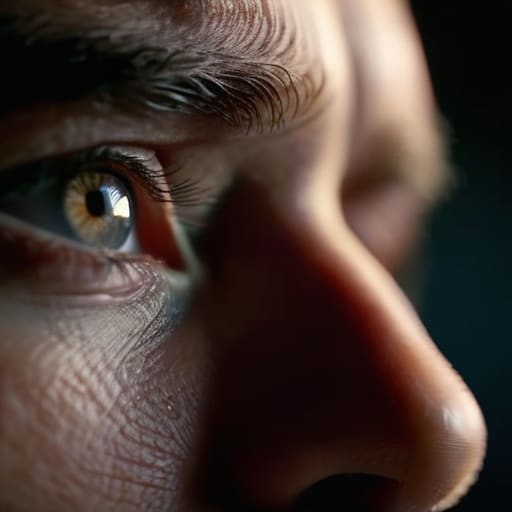
When you flip the camera to portrait mode, you aren’t just changing the aspect ratio; you are fundamentally changing the geometry of the human face. In a landscape shot, I have room to breathe, to place a subject against a background that tells a story. In vertical video content creation, that luxury vanishes. You are working in a narrow corridor. If you don’t pay attention to where the light hits the eyes and how much headroom you’re leaving, you’ll end up with a shot that feels claustrophobic or, worse, amateur. I’ve seen too many people try to fix a poorly framed vertical shot in post, but no amount of video editing for social media can manufacture the depth you lost by crowding the subject against a flat wall.
The trick is to use that verticality to create intimacy. Because the frame is tight, the viewer is closer to the subject than they ever would be in a cinema. Use that. Focus on the eyes, keep your lighting motivated, and ensure your blocking doesn’t feel like a hostage video. If you master the framing of the human element, you stop fighting the format and start using it to drive your storytelling.
Short Form Video Storytelling Techniques Cutting for Impact

The biggest mistake I see with people jumping into vertical video content creation is treating the edit like a slideshow rather than a sequence of thoughts. They think they need a flashy transition or a seizure-inducing zoom every three seconds to keep someone’s attention. They’re wrong. Real impact comes from the rhythm of the cut and the way you bridge the gap between two shots to maintain momentum. If you’re looking for short form video storytelling techniques that actually work, stop looking for a plugin and start looking at your pacing. You need to cut on the action or the breath, ensuring that every frame serves a purpose.
When you’re obsessing over audience retention metrics, remember that a viewer drops off the moment they feel the energy stagnate. This isn’t about tricking the eye; it’s about managing tension. Effective video editing for social media requires you to be ruthless. If a shot doesn’t move the story forward or provide a necessary beat of information, it’s dead weight. I’ve seen more engagement from a simple, well-timed jump cut than from any expensive motion graphics package. Cut for the beat, not the gimmick.
Mastering Video Editing for Social Media Without Excessive Gear
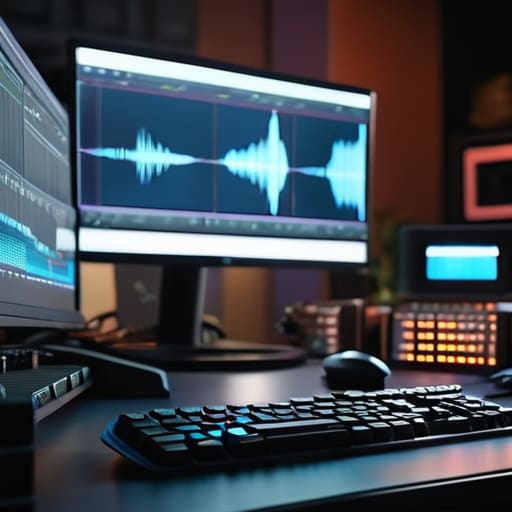
I’ve spent enough time in edit suites to know that people think a faster processor or a more expensive plugin will somehow fix a boring sequence. It won’t. When you’re working on video editing for social media, the goal isn’t to add more digital noise or flashy transitions; it’s to remove everything that isn’t serving the story. If a shot doesn’t move the needle or provide essential context, it’s dead weight. In the world of vertical video, where you’re fighting for every millisecond of attention, your best tool isn’t a high-end workstation—it’s the ability to identify the exact moment a viewer’s interest begins to flag.
Don’t get distracted by the siren song of expensive software suites that promise “AI-driven magic.” Real short form video storytelling techniques rely on rhythm and the intentional use of silence or sudden cuts to reset the viewer’s brain. Instead of chasing complex effects, focus on your pacing. If you can’t make a sequence work with a basic cut on a laptop, a $5,000 desktop won’t save you. Learn to read the rhythm of your footage, and you’ll find that audience retention metrics respond far better to a well-timed cut than to a glorified filter.
Cracking Tiktok and Reels Algorithm Tips Through Visual Clarity
Everyone wants to talk about the “secret sauce” of the TikTok and Reels algorithm, but they’re looking for it in a dashboard when they should be looking at their exposure meter. The algorithm doesn’t care about your hashtags as much as it cares about whether a human being stays glued to the screen. If your image is muddy, your focus is hunting, or your subject is lost in a sea of digital noise, people are going to swipe before you’ve even finished your first sentence. High audience retention metrics aren’t a mystery; they are the direct result of visual clarity that commands attention in a split second.
If you want to improve your short-form video engagement strategies, stop trying to outsmart the math and start mastering the frame. Use high-contrast lighting to separate your subject from a cluttered background. When the eye knows exactly where to look—because you’ve used light to create a clear focal point—the brain stays engaged longer. You don’t need a cinema rig to achieve this, just a better understanding of how light falls on a face versus how it hits a wall. Clarity isn’t about resolution; it’s about intentionality.
Short Form Video Engagement Strategies and the Patience of Retention
Everyone wants to talk about the “hook,” but they treat it like a magic trick rather than a visual promise. They think a flashy transition or a loud sound effect is what keeps people watching. It isn’t. If your first three seconds don’t establish a clear visual intent—meaning the viewer knows exactly what they are looking at and why it matters—they’re gone. Real short form video engagement strategies aren’t about tricking the eye; they are about reducing the cognitive load on the viewer. If the lighting is muddy or the framing is indecisive, the brain registers “noise” and swipes away. You have to earn their attention by being visually coherent from the very first frame.
Once you’ve hooked them, the battle shifts to the middle of the clip. This is where most creators fail because they prioritize speed over rhythm. They think faster cuts equal more engagement, but if you’re cutting just to cut, you’re actually killing your audience retention metrics. You need to understand the relationship between the movement in the frame and the timing of the edit. Patience is a tool. Sometimes, letting a shot breathe for a beat longer—provided the light is doing the work and the subject is compelling—creates a tension that keeps a person from scrolling. Stop chasing the algorithm and start chasing the rhythm of the story.
Five Truths to Keep You From Wasting Your Time
- Stop hunting for the perfect sensor and start looking for the window. Most short-form creators are filming in dim rooms with flat, ugly light because they’re too busy staring at their settings. If the light is coming from directly above your head, you’re going to look like a suspect in a police lineup. Find a window, face it, and let the sun do the heavy lifting for free.
- Plan your coverage for the cut, not just the shot. I see people filming one long, vertical pan and wondering why their edit feels lifeless. You need variety. Get a wide to establish where we are, a medium for the action, and a tight for the emotion. If you don’t have different focal lengths or distances to work with, you aren’t making a video; you’re just recording a single, boring moment.
- Respect the “Safe Zones” without letting them dictate your composition. Everyone talks about where the UI buttons sit on TikTok, but don’t let that turn your framing into a cluttered mess of centered heads. Use the space. If your subject is slightly off-center, you create a sense of direction and movement that keeps the eye from getting bored.
- Audio is half the image, even if you can’t see it. You can have a 6K image that looks like a Hollywood feature, but if the wind is clipping your mic or the room is echoing like a cathedral, people will swipe away in three seconds. A cheap lavalier or even a second phone held just out of frame will do more for your retention than a lens upgrade ever will.
- Learn to embrace the “messy” edit. You don’t need a high-end workstation to make a punchy video. Short-form thrives on rhythm and pacing. If a shot feels slow, cut it. If a transition feels forced, delete it. The best editors I know aren’t the ones with the fastest computers; they’re the ones who aren’t afraid to kill their darlings to keep the energy moving.
The Bottom Line
Stop looking for a better sensor to fix a poorly lit room; if you can’t make a scene work with a single practical light and a bit of distance, a $50,000 camera won’t save you.
Prioritize coverage and intentionality over flashy transitions; a video that is easy to cut and tells a coherent story will always outlast one that relies on frantic, meaningless editing.
Understand that engagement is a byproduct of visual clarity and patience, not a magic trick performed by the algorithm; focus on the frame first, and the views will follow.
The Sensor Trap
Most people treat a vertical frame like a slot machine, hoping a sharper sensor or a better filter will trigger the algorithm, but the truth is simpler and much more boring: if you haven’t mastered where your light hits a subject’s eyes and how much space you’ve left for the edit, you’re just filming high-resolution garbage.
Gethin Moreau
The Long View on Short Clips
At the end of the day, whether you’re shooting a fifteen-second reel or a feature-length documentary, the physics of a good image don’t change. You can chase the algorithm all you want, but if your lighting is flat and your framing lacks intention, people are going to swipe past you before you even get to the hook. We’ve talked about the importance of vertical composition, the necessity of tight coverage for editing, and why a better sensor won’t fix a poorly lit room. It all boils down to the same three things: light, distance, and the discipline to cut only what matters. Don’t let the speed of the medium trick you into thinking the fundamentals of craft are optional.
I see people spending thousands on the latest mirrorless rigs, hoping the gear will somehow manufacture engagement. It won’t. The most successful creators I know aren’t the ones with the most expensive kits; they are the ones who understand how to use the light they have to tell a story that feels human. Stop waiting for the perfect setup and start practicing the patience of observation. Go out, find a decent window, and learn how to move the camera with purpose. The gear is just a tool in your kit—the real work happens in how you see the world.
