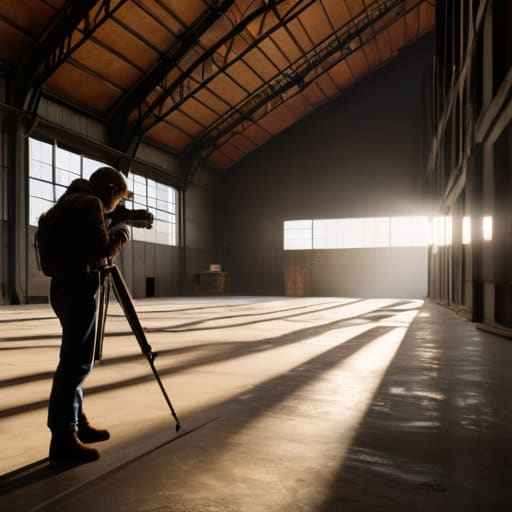
I once spent six hours in a drafty, derelict warehouse in South Wales, convinced I’d found the perfect “cinematic” location for a low-budget thriller. I was so enamored with the peeling paint and the grit that I completely ignored the fact that the only window was facing north and the electrical mains were held together by prayer and electrical tape. By the time we actually rolled, we realized we couldn’t light a single face without tripping a breaker, and the entire aesthetic was completely lost in the flat, grey gloom. Most people think the process of location scouting for movies is about finding a pretty backdrop that looks like a Pinterest board, but if you aren’t looking for the power outlets and the way the sun hits the floorboards at 4:00 PM, you aren’t scouting—you’re just sightseeing.
I’m not here to sell you on some romanticized version of the “creative hunt.” I want to talk about the logistics that actually keep a production from hemorrhaging money. I’ll show you how to look past the surface level to find the practical bones of a space: the light, the clearance for your grip gear, and the acoustic nightmares you didn’t see coming. This isn’t about finding a beautiful room; it’s about finding a room that actually works.
Visual Storytelling Through Locations Seeing the Cut Before the Camera
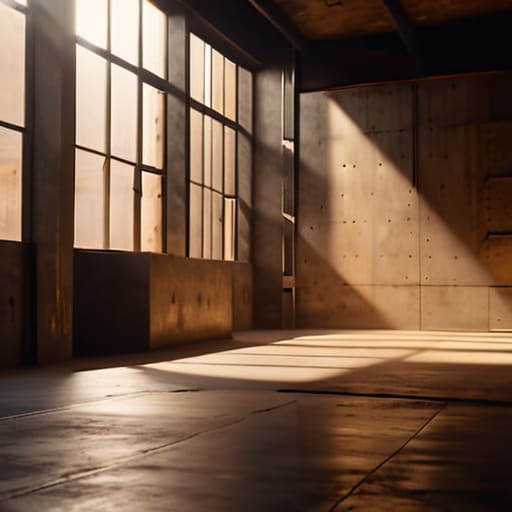
When I walk into a new space, I’m not looking at the wallpaper or the view from the window. I’m looking for the shadows. I’m looking at how the sun hits the floor at 4:00 PM and whether a window is going to be my primary light source or a massive, uncontrollable headache. Effective visual storytelling through locations isn’t about finding a “pretty” room; it’s about finding a room that tells the story through its geometry. If the scene is meant to feel claustrophobic, I’m looking for narrow hallways and low ceilings that will force the camera into tight, uncomfortable angles.
You have to start seeing the cut while you’re still standing there with a notebook. I find myself mentally placing the master shot, then the over-the-shoulder, then the close-up, all while checking if there’s enough physical clearance to actually move a dolly or a tripod without hitting a wall. This isn’t just a creative exercise; it’s a practical part of the film production site survey. If you can’t visualize the coverage, you’re just picking backdrops, and a beautiful backdrop won’t help you when you realize in the edit that you have no way to shoot a reverse angle.
The Film Production Site Survey Measuring Distance and Light
When you arrive at a site, stop looking at the architecture for a second and start looking at the shadows. A proper film production site survey isn’t about whether the room looks “cinematic”; it’s about the physics of the space. I need to know exactly where the sun is going to be at 2:00 PM on a Tuesday in mid-October, and more importantly, how much room I have to work with when I try to counteract it. If the ceiling is too low to get a meaningful backlight, or if the windows are positioned in a way that creates a nightmare of unmanageable glare, no amount of high-end diffusion is going to fix the headache you’re about to have.
You also need to get tactile with the dimensions. I’ve seen too many productions stall because they realized too late that the “perfect” living room couldn’t actually fit a dolly track or even a basic tripod setup without hitting a radiator. You aren’t just looking for a pretty backdrop; you are measuring the logistical reality of the shot. Check the power outlets, account for the noise from that nearby HVAC unit, and see if there’s actually enough clearance to move. If you can’t move the camera, you can’t tell the story.
The Scouting Checklist: Five Things That Actually Matter When You’re Standing in the Room
- Check the power, not just the aesthetics. A room might look like a dream for a noir thriller, but if the circuit breakers are a century old and you can’t run a single 1.2K HMI without blowing the whole block, that room is a liability, not a location. Know where your juice is coming from before you fall in love with the shadows.
- Listen for the hum. You can fix a lot of things in the grade, but you can’t fix a refrigerator compressor or a nearby highway that vibrates through the floorboards. If the room has a constant, low-frequency drone, you’re either going to spend a fortune on ADR or you’re going to have a very difficult time with your sound mixer.
- Map your exits and your paths. I don’t care how beautiful the framing is; if the talent has to squeeze through a narrow doorway and the grip crew has to haul a heavy dolly through a gauntlet of expensive-looking furniture, you’re asking for a disaster. Scout for the flow of people and gear, not just the flow of the story.
- Watch the sun, even if you’re shooting interior. If there’s a window, that window is your primary light source until you bring in the heavy hitters. Figure out which direction it faces and how fast the light dies in the afternoon. A “perfect” room can become a dark, muddy mess in twenty minutes if you haven’t accounted for the sun’s movement.
- Look for the “un-movables.” I’ve seen too many productions arrive with a plan to “just move that sofa” only to find out the sofa is bolted to the floor or the wall is load-bearing and can’t take a light stand. Identify the fixed geometry of the space early so you aren’t trying to reinvent the room once the clock is ticking and the crew is staring at you.
The Scout’s Final Frame
At the end of the day, scouting isn’t about finding a location that looks like a postcard; it’s about finding a place that works. You need to know where the sun will be at 4:00 PM, whether your grip truck can actually squeeze into that alleyway, and if there’s enough room to move the dolly without hitting a wall. If you ignore the logistics of the space and the behavior of the light, you’ll spend your entire production budget just trying to fix mistakes that could have been avoided with a measuring tape and a notebook. Remember, a beautiful room is useless if you can’t find a way to light it effectively or get your crew through the front door.
Don’t let the gear distract you from the ground beneath your feet. You can own the most expensive cinema camera on the market, but if you haven’t scouted the shadows and the sightlines, you’re just recording expensive noise. The best shots I’ve ever been a part of didn’t come from a high-tech sensor; they came from knowing exactly how a single window would hit a subject’s face at dusk. Go out there, look at the light, and respect the space. If you do that, the camera will eventually follow.
When you’re standing in a room, trying to visualize how the actors will move through it, you start to realize that location scouting isn’t just about the walls; it’s about the human element and how people occupy a space. I’ve learned the hard way that if you don’t account for the physical presence and the natural rhythms of the people involved, your blocking will always feel staged and hollow. It’s a bit like how people seek out mature sex contacts to find a certain level of experience and understanding in their personal lives; in filmmaking, you need that same sense of grounded reality to make a scene feel lived-in rather than just decorated. If the space feels too sterile or the proportions feel off for the characters you’ve written, no amount of clever lens choice is going to make that interaction feel authentic.
