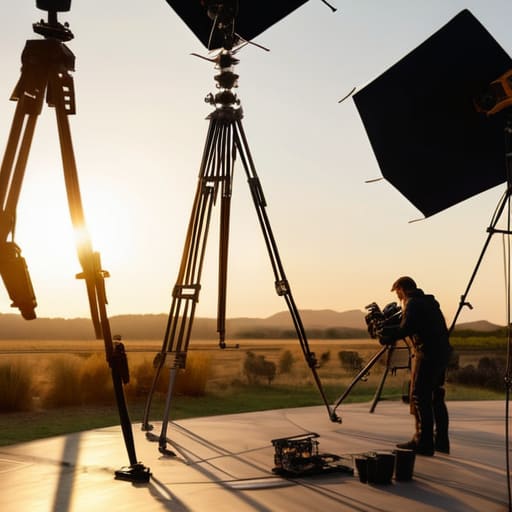
I remember a shoot in a cramped, drafty studio in South London back in ’04. We had just spent six hours wrestling with a massive HMI through a narrow doorway, only for a grip to trip over a power cable and send a three-thousand-pound lens face-first into the concrete. The silence that followed wasn’t just the sound of broken glass; it was the sound of a production bleeding out in real time. Most people think a “complete guide to production insurance” is just some bureaucratic checkbox to satisfy a producer, but after twenty-three years of seeing sets go sideways, I know better. It’s not about paperwork; it’s about making sure one clumsy moment doesn’t turn your entire career into a cautionary tale.
I’m not here to sell you on fancy riders or fine print that nobody reads. Instead, I’m going to give you the unvarnished truth about what actually protects your work and your sanity. This is a no-nonsense breakdown of what you actually need to cover, from gear failure to location mishaps, stripped of all the industry jargon. We’ll skip the fluff and focus on the practicalities of keeping your shoot alive when everything goes wrong.
The Unseen Safety Net a Complete Guide to Production Insurance
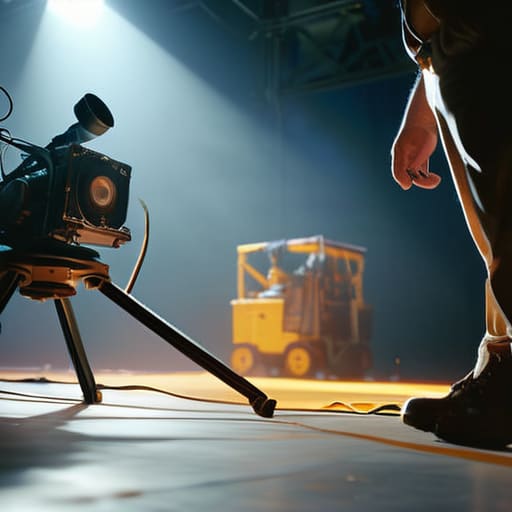
Look, I’ve seen enough sets to know that things rarely go according to the call sheet. You can spend weeks perfecting your lighting diagrams and blocking, but a single tripped tripod or a wayward grip can turn a controlled environment into a legal nightmare in seconds. This is where general liability for film sets steps in. It isn’t just about someone tripping over a C-stand; it’s about the messy reality of third-party damage and the lawsuits that tend to follow when things go sideways.
Beyond the physical chaos, there is the digital and logistical side of the business that people tend to ignore until it’s too late. If your hard drives fail or your footage gets corrupted, you aren’t just losing a day of work; you’re losing the entire investment. You need to understand the different film production coverage types—specifically looking into media liability protection—to ensure that your creative output is as protected as your physical gear. Whether it’s a sudden weather shift necessitating event cancellation coverage or a thief eyeing your kit in a van, insurance is the only thing standing between a bad day and a career-ending debt.
Beyond the Lens Understanding Essential Film Production Coverage Types
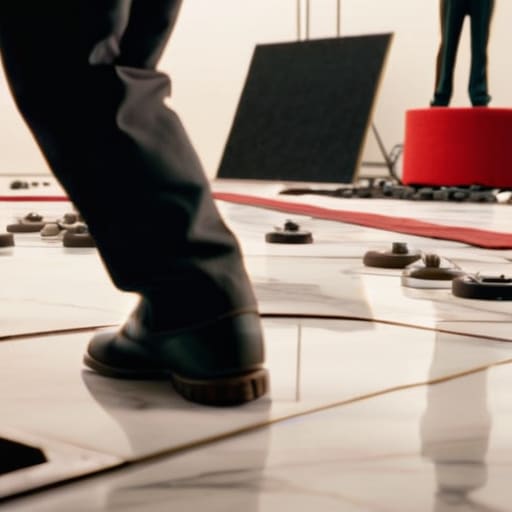
When you start looking at the fine print, you realize that “insurance” isn’t just one monolithic shield; it’s a collection of specific tools designed for specific disasters. Most people think they just need a policy to cover a broken tripod, but you need to understand the different film production coverage types to avoid being hollowed out by a lawsuit or a stolen kit. For instance, general liability for film sets is your baseline—it’s what keeps the production from folding if a lighting stand tips over and cracks a location owner’s marble floor or, god forbid, hits a pedestrian.
Then you have the specialized stuff that actually keeps you sleeping at night. If you’re shooting a high-stakes commercial or a documentary involving sensitive footage, you’ll want to look into media liability protection to cover errors in your content itself. On the hardware side, production equipment theft insurance is the only thing standing between you and a massive debt if a van gets broken into overnight. It’s not about being paranoid; it’s about knowing exactly which hole in your bucket you’re trying to plug.
When the Lights Go Out Navigating Event Cancellation Coverage
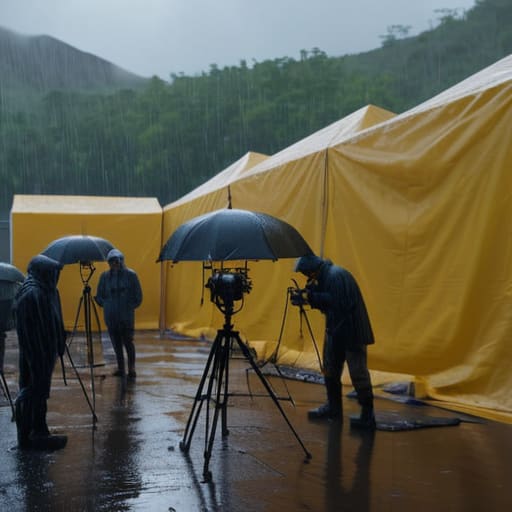
I’ve been on enough sets to know that a production is a fragile ecosystem. You can have the most meticulously planned schedule and a crew that works like a well-oiled machine, but the universe doesn’t care about your call sheet. Whether it’s a sudden freak storm that turns your outdoor location into a swamp or a sudden illness that sidelines your lead talent, things go sideways. This is where event cancellation coverage steps in. It isn’t just about losing a day of shooting; it’s about the cascading financial disaster of paying for a crew that can’t work and gear that’s sitting idle while the clock eats your budget.
When you’re looking at different film production coverage types, people often focus on the physical stuff—the cameras or the lights. But the “invisible” risks are often what actually sink a project. If a location becomes inaccessible or a key player pulls out, you aren’t just losing time; you’re losing the money you already spent to get there. It’s a hard pill to swallow, but treating your schedule as a liability is the only way to stay sane in this business.
Protecting Your Kit Production Equipment Theft Insurance and Reality
I’ve spent enough nights in rental houses and vans to know that gear has a way of vanishing just when you need it most. You can obsess over the dynamic range of a new sensor or the sharpness of a vintage prime, but none of that matters if a thief walks off with your entire kit during a location move. Production equipment theft insurance isn’t about protecting your vanity; it’s about ensuring a single broken window or a distracted loader doesn’t end your career before the first assembly is even finished.
The reality is that “theft” is a broad term that covers everything from a smash-and-grab in a city center to a misplaced bag at a busy craft services table. When you’re looking at different film production coverage types, don’t assume a standard policy covers every scenario. You need to know exactly what happens when a drive fails or a lens gets dropped during a setup. It’s a bitter pill to swallow, but paying the premium is significantly cheaper than trying to replace a high-end cinema camera with money you were supposed to be using for your next project.
Liability on Set Why General Liability for Film Sets Matters
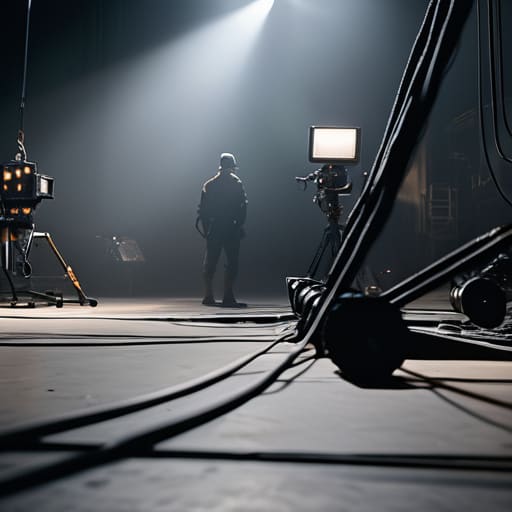
I’ve seen enough sets to know that chaos is the only constant. You can have the most disciplined AD and a crew of professionals, but the moment a heavy C-stand tips over or a talent trips over a power cable, the mood shifts from creative to litigious in seconds. This is where general liability for film sets stops being a line item on a spreadsheet and starts being the only thing standing between you and a lawsuit that ends your career. It isn’t about being paranoid; it’s about acknowledging that sets are inherently unpredictable environments where people and expensive hardware occupy the same tight spaces.
Most people focus on their gear, obsessing over production equipment theft insurance or the latest sensor specs, but they forget that the most expensive thing on set isn’t the camera—it’s the person who gets hurt. If a light fixture falls and damages a location, or if a bystander wanders into your frame and gets injured, the costs will dwarf your entire production budget. You aren’t just buying a policy; you’re buying the ability to keep working when things inevitably go sideways.
The Bottom Line Decoding Complex Production Insurance Cost Factors
Look, I know the math part is where the excitement dies, but if you’re trying to figure out why one quote looks like a rounding error and the other looks like a ransom note, it’s rarely about the camera package. Most people think they can just slap a number on a budget and call it a day, but underwriters don’t work like that. They look at the variables that actually keep me up at night: the location, the complexity of the stunts, and how many people you’re putting on payroll. The more moving parts you have, the higher the premium.
You’ll find that the specific mix of film production coverage types you select is the biggest lever you have. If you’re shooting a controlled interview in a studio, your costs will be negligible. If you’re trying to capture a sunset on a cliffside with a crew of twenty, you’re paying for the risk of that environment. It isn’t just about production equipment theft insurance or protecting the glass; it’s about the sheer unpredictability of the shoot. Don’t let a cheap quote fool you into thinking you’re covered for everything—usually, it just means they’ve left out the parts that actually matter when things go sideways.
Five Ways to Keep the Insurance Agent from Laughing at You
- Read the fine print on your gear riders before you think you’re covered. I’ve seen guys assume their policy covers a sensor failure caused by a sandstorm or a dropped tripod, only to find out the policy only covers “perils of nature” or actual theft. If it isn’t explicitly listed, assume you’re paying for that repair out of your own pocket.
- Don’t treat insurance as an afterthought for the production office. If you’re the one calling locations, you need to know if the permit requires a specific liability limit. There is nothing quite as soul-crushing as finding the perfect light at 4:00 AM, only to have the location manager shut you down because your COI (Certificate of Insurance) doesn’t meet their minimums.
- Document the state of your kit before the first roll. It sounds like busywork, but when a rental house claims you returned a lens with a scratched element that wasn’t there when you picked it up, “trust me” won’t win that argument. Take photos of the gear—especially the expensive glass—at the start of the shoot. It’s much easier to prove what was broken than to prove what was working.
- Understand that “Cancellation Coverage” isn’t a magic wand for bad weather. Most policies are very specific about what constitutes a legitimate reason to scrap a shoot. If you’re shooting a documentary in a remote area, make sure your policy accounts for the specific logistical nightmares of that environment, rather than assuming a generic “Act of God” clause will save your skin.
- Stop trying to save a few bucks by cutting corners on your crew’s safety. You might think you’re being “scrappy” by skipping certain coverages to stay under budget, but one tripped actor or one overheated light fixture can turn a small indie project into a legal nightmare that ends your career before it even starts. Insurance isn’t an expense; it’s the only thing that lets you sleep when the sun goes down.
The Hard Truths to Carry Off Set
Stop looking at insurance as a line item to be trimmed; it’s the only piece of gear that protects your ability to actually finish the project when things inevitably go sideways.
A better sensor won’t fix a lawsuit or a stolen kit, so spend as much time auditing your coverage as you do checking your focus pulls.
Understand that insurance doesn’t make you a better filmmaker, but it does ensure that a single bad afternoon on location doesn’t end your career.
The Cost of Being Unprepared
You can spend six months obsessing over the dynamic range of a new sensor or hunting for the perfect vintage glass, but all that craft means nothing if a single tripped cable or a sudden storm turns your entire production into a massive, unrecoverable debt. Insurance isn’t a line item you try to cut; it’s the only thing standing between a bad day on set and a career-ending catastrophe.
Gethin Moreau
The Final Frame
At the end of the day, insurance isn’t a line item you can cut to save a few bucks, no matter how much the producer grumbles about the budget. We’ve looked at everything from the physical theft of your kit to the nightmare scenario of a location falling through or a slip-and-fall on set. You can spend months obsessing over the dynamic range of a new sensor or the sharpness of a vintage prime, but none of that technical precision matters if a single lawsuit or a broken grip truck puts your entire production into a permanent state of insolvency. It’s about covering your liability, your gear, and your ability to actually finish the project when the unexpected happens.
I’ve seen too many talented crews walk away from the craft because one bad afternoon wiped out their ability to work again. My advice is simple: treat your insurance policy with the same respect you treat your lighting plan. It’s the invisible infrastructure that allows you to actually focus on the work instead of constantly looking over your shoulder. Get the coverage, understand the fine print, and then get back to the business of making something worth watching. The gear will break and the weather will turn, but if you’ve done the paperwork, you’ll still be around to catch the next shot.
