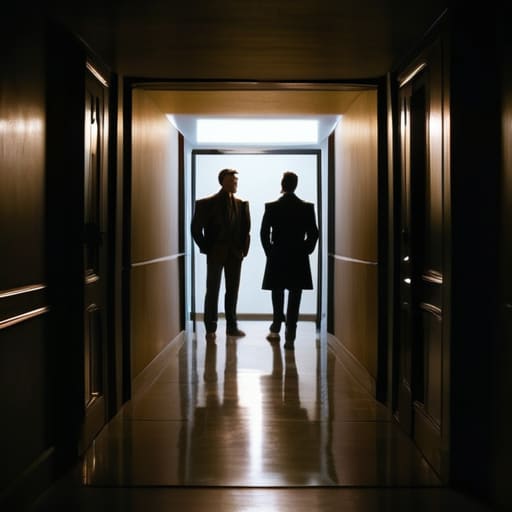
I remember a shoot in a cramped, dimly lit basement in South London—nothing but a single tungsten light and a crew that was running on caffeine and sheer spite. We had just finished a tense dialogue scene, and I was looking at the monitors, realizing the spatial logic was completely shot. It wasn’t a lighting issue or a lens problem; we had simply drifted across the axis, and suddenly, the two actors weren’t looking at each other anymore—they were looking at the same patch of empty wall. This is the fundamental reality of how the 180 degree rule works: it’s not some abstract geometry lesson from a textbook, it’s the invisible thread that keeps your audience from feeling like they’ve suddenly been spun around in a dark room.
I’m not here to give you a lecture on imaginary lines or feed you more gear-obsessed nonsense that won’t fix a broken scene. Instead, I’m going to show you how to actually use this concept to maintain continuity and, more importantly, how to break it intentionally when the story demands it. We’ll talk about blocking, eye lines, and why your camera position matters more than your resolution.
Stop Buying Gear and Start Mastering Spatial Awareness
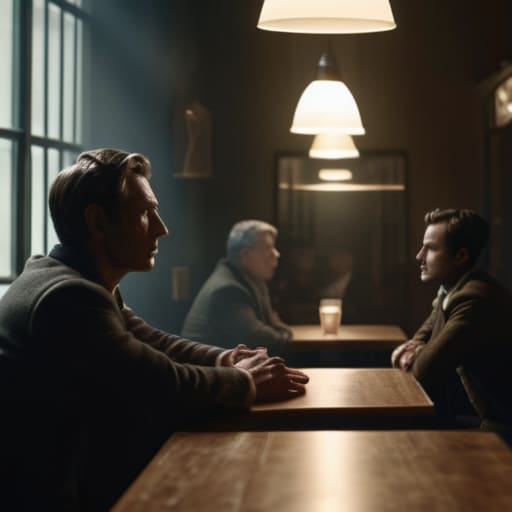
I see it every week in the gear forums: someone spends three months’ rent on a new sensor, thinking the extra dynamic range will somehow fix a scene that feels fundamentally broken. But a sensor doesn’t know where your actors are standing. You can shoot on an Alexa 35, but if you don’t respect the camera axis and eyeline match, you’re just filming expensive confusion. When you jump the line, the audience doesn’t think, “Wow, look at that bit depth”; they think, “Wait, why is he looking at the wall instead of her face?”
Mastering visual storytelling spatial awareness isn’t about memorizing a textbook; it’s about understanding the invisible tether between two people in a frame. It’s about knowing that the geometry of the room dictates the logic of the cut. If you can’t map out the floor before you even touch the tripod, you aren’t directing the eye—you’re just collecting beautiful, disconnected images. Stop worrying about the sharpness of your glass and start worrying about whether your viewer knows which way is up.
The Invisible Line How the 180 Degree Rule Works
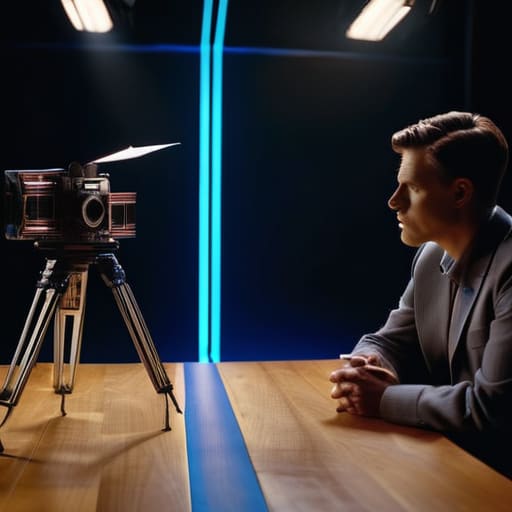
Think of it like this: imagine a straight line drawn through your two actors, right through the space between them. That’s your axis. As long as you keep the camera on one side of that line, the audience knows exactly where everyone is sitting. When you’re using the standard shot reverse shot technique, you’re essentially bouncing the camera back and forth across that line, but you’re staying on your side of the fence. This maintains the camera axis and eyeline match, ensuring that when Actor A looks right, they are looking at Actor B, who is looking left. It’s simple, it’s boring, and it’s the foundation of everything.
The moment you swing the camera across that line—breaking the 180 degree rule—you’ve effectively flipped the world. Suddenly, the person who was looking right is now looking left, and the audience feels a subconscious jolt of disorientation. They don’t know where the characters are in relation to one another anymore. You might think you’re being clever or “experimental,” but more often than not, you’re just making the viewer work too hard to understand a basic conversation. It’s not about being fancy; it’s about visual storytelling spatial awareness.
Protecting Your Shot Reverse Shot Technique From Chaos
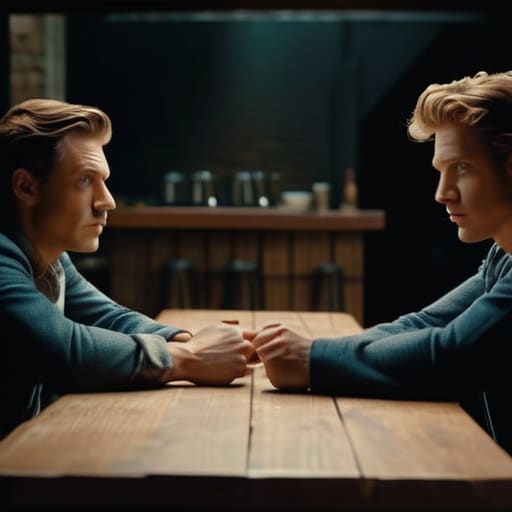
When you’re running a standard shot reverse shot technique, you aren’t just filming two people talking; you’re building a mental map for the viewer. The moment you move the camera to the wrong side of the actors, you’ve effectively swapped their positions in the room. Suddenly, the person on the left is looking right, and the person on the right is looking left, but they aren’t looking at each other anymore—they’re looking at nothing. This failure in camera axis and eyeline match is the fastest way to pull an audience out of the story. They stop feeling the tension of the dialogue and start wondering why the characters suddenly seem to be facing the same direction.
I’ve seen plenty of young shooters try to “fix” this in post by using a quick whip-pan or a heavy digital zoom, but that’s just masking a lack of discipline on set. You can’t edit your way out of a fundamental misunderstanding of visual storytelling spatial awareness. If you want the cut to feel seamless, you have to respect the line during the setup. It’s about making sure that when the editor jumps from Actor A to Actor B, the implied connection remains unbroken. Keep your axis steady, and the story will do the rest of the work for you.
Why Eyeline Match Matters More Than Your Sensor

You can shoot on a camera that captures every single pore on an actor’s face, but if you can’t nail the eyeline, you’ve wasted the footage. When we talk about the camera axis and eyeline match, we aren’t just discussing technical geometry; we’re talking about the invisible thread that connects two people in a scene. If Character A is looking slightly off-camera to the right, Character B needs to be looking back toward the left. If they aren’t, the audience doesn’t just notice a mistake—they feel a subconscious sense of disconnection, as if the two actors are suddenly occupying different universes.
I’ve sat in edit suites where a junior editor tried to “fix” a jumpy sequence by leaning on color grading or adding grain, thinking they could mask a spatial error. It doesn’t work. You can’t polish your way out of poor visual storytelling spatial awareness. When you respect the eyeline, you allow the viewer to stop thinking about the camera and start feeling the tension between the characters. That’s the real job. The sensor just records the light; it’s your job to make sure that light is telling a coherent story.
The Dangerous Art of Breaking the 180 Degree Rule
Now, I’m not going to sit here and tell you that the rule is a law written in stone. I’ve seen directors intentionally jump the line to create a sense of vertigo or to signal that a character has lost their grip on reality. If you’re doing it to make a point, it’s a choice. But if you’re doing it because you didn’t bother to mark your floor or you lost track of your camera axis and eyeline match, then you aren’t being “experimental”—you’re just being sloppy.
The real danger isn’t the jump itself; it’s the subconscious friction it creates in the viewer. When you cross that line without a narrative reason, the audience stops watching the performance and starts trying to solve a spatial puzzle. They’re wondering why Character A is suddenly looking at the wrong side of the frame. You’ve effectively broken the film editing spatial continuity that allows a scene to flow. Once you lose that invisible thread, you aren’t telling a story anymore; you’re just showing a series of disconnected images that refuse to sit still.
Saving Your Film Editing Spatial Continuity in Post
I’ve sat in too many dark suites watching an editor struggle to make sense of a scene that was fundamentally broken on set. You can try to hide a mistake with a quick cut or a flashy transition, but if you’ve botched the camera axis and eyeline match, the audience will feel it in their gut. They won’t tell you why they’re suddenly confused, but they’ll stop caring about the story. You can’t “edit your way out” of a lack of spatial awareness; you can only hope to mitigate the damage.
When you’re looking at the timeline, you aren’t just looking at clips; you’re looking at the invisible geometry of the room. If the characters seem to be looking at the ceiling instead of each other because you jumped the line, no amount of color grading is going to fix that disorientation. True film editing spatial continuity relies on the foundation we laid while the lights were still hot. If the foundation is cracked, the whole house is going to lean, no matter how expensive your software is.
Five Ways to Keep Your Audience from Getting Motion Sickness
- Find the line before you even touch the tripod. Before you worry about focal lengths or whether the sensor is clean, identify the axis connecting your two subjects. If you don’t know where that line sits in the room, you’re just guessing, and guessing is how you end up with a scene that feels like a fever dream.
- Use your coverage to build a safety net. Don’t just shoot your wide and your two close-ups; shoot a “neutral” shot that sits directly on the line or a profile shot that looks toward the axis. It gives you an out in the edit when you realize you’ve accidentally drifted into the wrong side of the room.
- Respect the eyeline, not just the camera position. The rule isn’t actually about where the camera sits—it’s about where the characters are looking. If Actor A is looking right to see Actor B, and then you cut to Actor B looking left to see Actor A, the connection holds. If they’re both looking the same direction, the audience feels like they’re watching two people talk to a wall.
- Move the camera, not the concept. If you absolutely have to cross the line to get a specific angle, do it with intention. Move the camera in a continuous motion—a pan or a tracking shot—that physically travels through the axis. If the movement is fluid, the audience’s brain can reset its map of the room. If it’s a hard cut, they’ll just feel lost.
- Stop relying on the colorist to fix a bad setup. You can’t grade your way out of a spatial error. A beautiful, high-dynamic-range image of two people facing the wrong way is still a shot that breaks the logic of your story. Fix the blocking on set, not in the software.
The Bottom Line
Stop obsessing over bit depth and dynamic range if you haven’t mastered the geometry of your scene; a 12-bit RAW file won’t save an audience that’s lost in a spatial vacuum.
Respect the eyeline as the anchor of your edit—if the characters aren’t looking at each other, the viewer isn’t looking at the story.
Learn when to cross the line intentionally to create tension, but never do it because you were too lazy to move the tripod or too rushed to check your axis.
## The Geometry of the Scene
You can buy the most expensive sensor on the market, but if you don’t respect the invisible line between your actors, you’re just filming expensive confusion. The 180-degree rule isn’t some academic rulebook chore; it’s the only thing keeping your audience from feeling like they’ve been dropped into a room where everyone is looking at the wrong wall.
Gethin Moreau
The Long View
At the end of the day, the 180-degree rule isn’t some academic hoop you have to jump through just to satisfy a textbook. It’s about respect—respect for the audience’s brain and their ability to follow a story without feeling like they’ve been dropped into a spinning centrifuge. We’ve talked about the line, the eyeline, and the way a botched shot-reverse-shot can turn a tense conversation into a confusing mess. You can have a 12K sensor and a lighting rig that costs more than my first house, but if you can’t maintain the spatial logic of a scene, you aren’t making a movie; you’re just recording expensive confusion. Stick to the fundamentals of coverage and blocking, and you’ll find that the edit practically writes itself.
My advice? Stop looking at the spec sheets for a moment and start looking at the space between your actors. The most powerful tool in your kit isn’t sitting in a Pelican case; it’s your ability to visualize the geometry of a room before you even touch the power switch. Mastering these “rules” doesn’t make you a slave to them—it gives you the permission to break them intentionally, rather than by accident. Build a foundation of discipline first, and once you truly understand how to hold the line, you’ll finally have the freedom to cross it.
