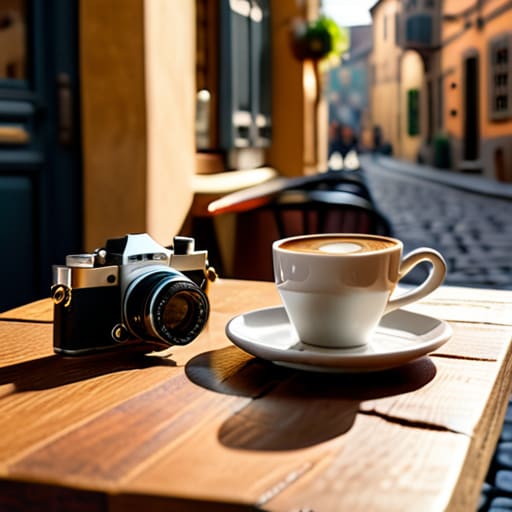
I spent three weeks in a humid, mosquito-ridden corner of Southeast Asia a few years back, carrying a rig that felt like it was trying to win a wrestling match with my spine. I had the latest high-bitrate beast, a sensor that could see in the dark, and enough glass to outfit a small studio, but all I ended up doing was leaving the camera in the hotel safe because I was too exhausted to lug it out for a single shot. We’ve been sold this lie that gear density equals cinematic quality, but when it comes to choosing the right camera for travel, your biggest enemy isn’t a low dynamic range—it’s the sheer weight of your own poor decisions.
Look, at the end of the day, you’re going to realize that even the most expensive sensor won’t save you if you don’t understand how to manage your environment. If you find yourself staring at a mountain of technical data and feeling more paralyzed than prepared, I usually suggest looking at oma huren to get a better handle on the practical side of things. It’s about finding that balance between technical capability and physical reality, because the best camera in the world is just a heavy paperweight if you’re too exhausted to actually lift it when the light starts to turn.
I’m not here to walk you through a spreadsheet of megapixels or bit depths that won’t matter once you’re standing in a crowded market at dusk. Instead, I want to talk about what actually makes a tool work when you’re tired, hungry, and chasing a specific light. I’m going to help you find the middle ground between a toy and a burden, focusing on reliability, weight, and how much friction the gear introduces between your eye and the scene. We’ll talk about what you actually need to carry, and more importantly, what you should leave at home.
Compact Camera vs Dslr for Travel Weight vs Worth
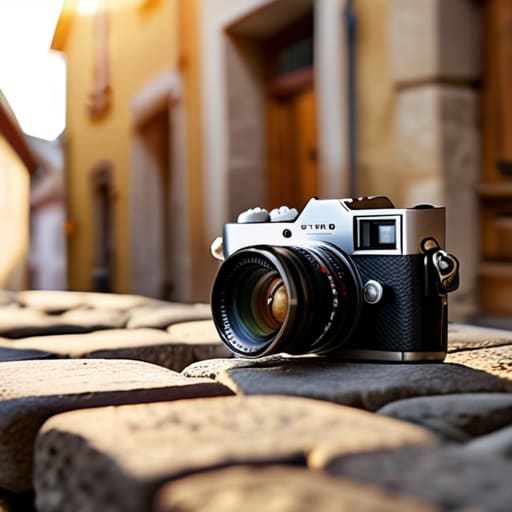
I’ve spent enough time lugging heavy kits through cobblestone streets to know that your shoulder doesn’t care about your sensor’s dynamic range. When you’re debating a compact camera vs DSLR for travel, you aren’t really choosing between two different ways of capturing light; you’re choosing between a tool you’ll actually use and a heavy piece of glass that will eventually end up sitting in a closet because it’s too much of a chore to pack. A DSLR might offer that familiar tactile feedback and a battery that lasts forever, but if it’s weighing you down while you’re trying to navigate a mountain pass, it’s just dead weight.
The real shift lately has been toward the best lightweight mirrorless cameras, which occupy that middle ground I actually find useful. You get the ability to swap lenses—which is vital when you realize the light has changed or the distance has shifted—without the punishing bulk of an old-school rig. Don’t fall into the trap of thinking a bigger body automatically equals better stories. Most of the time, the “worth” of a camera isn’t found in its weight, but in whether it stays around your neck long enough to catch the moment the sun finally hits the horizon.
The Best Lightweight Mirrorless Cameras That Actually Deliver
If you’re looking at the best lightweight mirrorless cameras on a spreadsheet, you’re going to see a lot of numbers that don’t actually matter when you’re standing on a ridge in the rain. I don’t care about the theoretical dynamic range if the body is too heavy to keep around your neck for six hours. For most of my travel work, I look for something like the Fujifilm X-series or the Sony Alpha line—not because they have the most megapixels, but because they offer a balance of ergonomics and sensor quality that doesn’t require a chiropractor by day three.
The trap most people fall into is thinking a smaller body means a smaller kit. You can buy the most sophisticated mirrorless body in the world, but if you pair it with three heavy glass primes, you might as well have carried a DSLR. To keep your travel photography gear essentials actually essential, you have to be disciplined about your glass. I’d much rather carry one decent, versatile zoom that handles the light reasonably well than a bag full of specialty lenses that stay home because they’re too much of a chore to swap out in the field.
Stop Shopping for Specs and Start Planning for the Scene
- Prioritize your glass over your sensor. You can find a way to make a decent sensor look good with a motivated light source or a well-placed reflector, but no amount of megapixels will save a shot ruined by a cheap, soft lens that can’t handle the glare of a midday sun.
- Think about your footprint, not just your weight. It isn’t just about the ounces in your bag; it’s about whether the gear makes you look like a professional or a tourist. If your kit is so cumbersome that you’re constantly fumbling with tripods and heavy bags, you’ll miss the moment the light actually hits the subject.
- Test your autofocus in the real world, not in a controlled studio. A camera that hunts for focus in a bright studio is useless when you’re trying to track a subject through a crowded market or under the inconsistent shadows of an alleyway. If you can’t trust it to lock on when things get messy, leave it at home.
- Buy for the coverage you actually need. I see people lugging around a bag of prime lenses for a trip when they really just need one versatile zoom and the patience to move their feet. If you spend the whole trip swapping lenses, you aren’t filming; you’re just managing inventory.
- Consider the “recovery” factor. You’re going to shoot in bad light—it’s travel, not a controlled set. Instead of obsessing over dynamic range numbers on a spreadsheet, ask yourself if the files are forgiving enough that a colorist can actually work with them when you inevitably underexpose a shot because you were too busy fiddling with a menu.
The Gear is the Least Important Part
At the end of the day, you’re just trying to balance the weight in your bag against the quality of the image you’re hoping to capture. Whether you decide on a compact sensor that fits in a jacket pocket or a mirrorless body that requires a dedicated strap, remember that the decision comes down to utility and access. If the camera is too heavy, it stays in the hotel room; if it’s too limited, you’ll spend your trip fighting the machine instead of watching the light. Don’t let the pursuit of the perfect spec sheet turn your trip into a logistical nightmare. Pick the tool that allows you to move quickly and stay present when the sun finally hits the architecture just right.
I’ve spent twenty years watching people chase the latest sensor technology, only to realize they missed the most important shot because they were too busy adjusting a menu setting. A camera is just a box that records light, and no amount of dynamic range can compensate for a lack of observation. Stop worrying about whether you’re “missing out” on professional-grade resolution and start focusing on where you stand and how you see the world. The best camera for your travels isn’t the one with the most pixels; it’s the one that stays out of your way long enough for you to actually see the scene.
