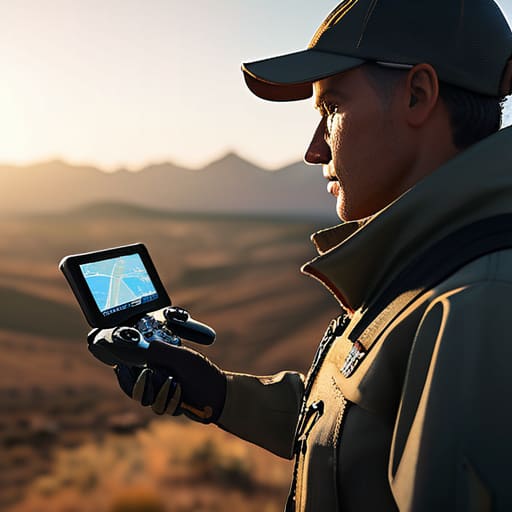
I remember standing on a ridge in the Highlands three years ago, watching a kid try to pull off a sweeping cinematic reveal with a consumer drone. He was so focused on the joystick that he didn’t notice the wind shear or the fact that he was hovering directly over a group of hikers who just wanted to eat their lunch in peace. Everyone thinks “responsible” means following a checklist of FAA regulations or buying the most expensive obstacle-avoidance sensors on the market, but that’s not it. Real responsibility is about understanding how drones are used responsibly in the context of the environment and the people you’re sharing it with—it’s about situational awareness, not just software.
I’m not here to sell you on the latest flight controller or a specialized gimbal that costs more than my first car. My goal is to give you the unvarnished truth about operating in the real world, where things go wrong and people get annoyed. We’re going to talk about the stuff they don’t put in the manual: respecting privacy, managing your battery life so you aren’t landing in a bush, and knowing when a shot is actually worth the risk. I’ll show you how to get the work done without becoming the person everyone wants to yell at.
Understanding How Drones Are Used Responsibly
To understand the responsibility of the job, you have to stop thinking like a photographer and start thinking like a pilot. It’s easy to get caught up in the “golden hour” light and the sweeping cinematic movement, but if you aren’t respecting the invisible lines in the sky, you’re just a liability. This means more than just memorizing the FAA drone flight rules; it’s about developing a sense of situational awareness that goes beyond a screen. You need to know exactly what is above, below, and beside you at all times.
A big part of this is navigating the murky waters of unmanned aerial vehicle privacy concerns. I’ve seen too many beginners treat a neighborhood like a playground, hovering over backyards just because the angle looks “interesting.” It isn’t. Part of professional conduct is knowing when to pull the bird back. If you’re flying in a way that makes people feel watched rather than just filmed, you’ve already failed the craft. True professionalism is about getting the shot without making the people on the ground feel like they’re under siege.
Key Things to Know
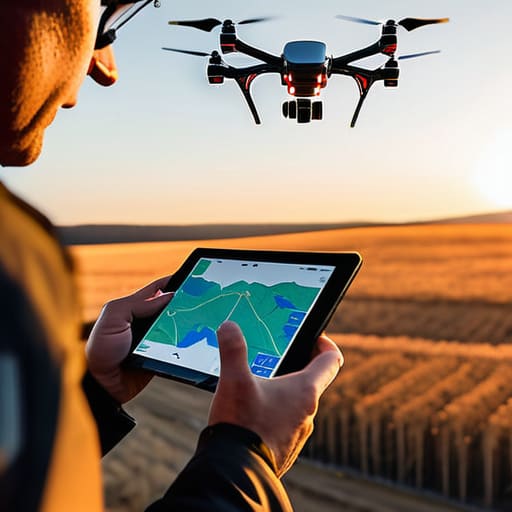
First, you need to get your head around the fact that a drone isn’t a toy; it’s a piece of heavy machinery flying in a shared sky. If you’re operating one for a production, you aren’t just managing a battery and a signal; you are managing risk. This means staying well within the FAA drone flight rules and understanding that “oops” isn’t a professional term. You don’t fly blind, and you don’t fly into territory you haven’t cleared. Most of the headaches I see aren’t from gear failure, but from people forgetting that safe drone flight practices start long before the propellers spin up.
Then there is the human element, which is where things get messy. We spend so much time worrying about bitrates and sensor dynamic range that we forget about the people on the ground. There are real unmanned aerial vehicle privacy concerns today, and for good reason. Just because you have a 4K sensor and a stabilized gimbal doesn’t mean you have the right to peer into someone’s backyard. Respecting boundaries isn’t just about being a decent person; it’s about maintaining the professional reputation of everyone in this industry.
Practical Tips and Steps
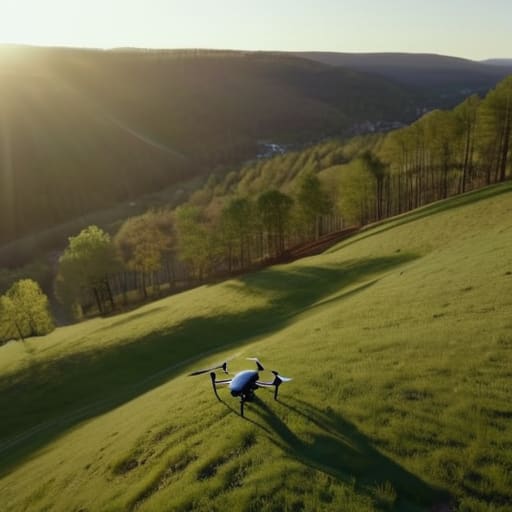
Before you even power up the motors, look at where you’re standing. I’ve spent decades worrying about where to place a tripod to get the right coverage, and drones require that same spatial awareness, just on a vertical axis. Don’t just fly for the spectacle; check your surroundings for power lines, trees, and, more importantly, people. Following safe drone flight practices isn’t just about not crashing; it’s about being aware of the shadow you’re casting over a scene. If you’re hovering over someone’s backyard just to get a “cool” transition, you’re asking for trouble.
You also need to treat the digital airspace with the same respect you’d treat a physical set. This means knowing the FAA drone flight rules inside and out so you aren’t the guy causing a shutdown because he didn’t bother to check a map. It’s easy to get caught up in the tech, but the real skill lies in knowing when to keep the drone in the bag. If the wind is too high or the legal grey area is too thick, walk away. A shot isn’t worth a violation.
Common Mistakes to Avoid
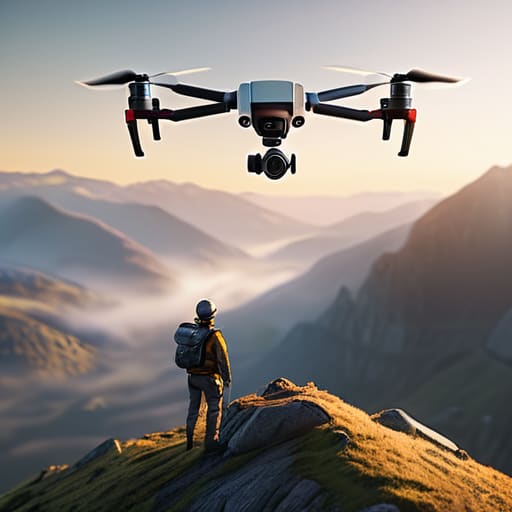
The biggest mistake I see isn’t a technical failure, but a lack of situational awareness. People get so caught up in the “wow” factor of a sweeping landscape shot that they forget they are operating an unmanned aerial vehicle in a shared space. I’ve seen pilots hover way too close to private property or crowds just to get a specific angle, completely ignoring unmanned aerial vehicle privacy concerns. It’s a rookie move. You might get the shot, but you’ve burned your reputation with the locals and likely crossed a line you can’t uncross.
Then there’s the legal side, which people treat like a suggestion rather than a requirement. I’ve watched operators treat FAA drone flight rules as something they can just “figure out” once they’re in the air. That’s how you end up with a massive fine or a permanent ban from certain airspaces. Don’t be that person. If you aren’t checking your maps and understanding your local restrictions before you even power up the motors, you aren’t flying; you’re just waiting to get caught. Check your altitude, respect the boundaries, and keep your head on a swivel.
Final Thoughts
At the end of the day, whether you’re flying a high-end cinema rig or a consumer toy, the goal is the same: don’t be the person who ruins the view for everyone else. We spend so much time obsessing over bitrates, sensor dynamic range, and gimbal stability, but all that technical perfection means nothing if you’re flying recklessly or ignoring unmanned aerial vehicle privacy concerns. A beautiful shot isn’t worth the cost of a lawsuit or a permanent ban from the airspace.
If you want to stay in this game long-term, you need to treat the sky with the same respect you treat a controlled studio set. Follow the drone pilot ethical guidelines not because a manual told you to, but because professionalism is the only thing that separates a hobbyist from a filmmaker. Stick to the rules, respect the people on the ground, and remember that knowing when to keep the drone in the bag is often the most important skill you can develop. Keep your eyes on the horizon and your head on straight.
Five ways to fly without being a nuisance
- Stop chasing the “impossible” shot at the expense of the people below. If you’re hovering fifty feet above a wedding or a public park just to get a sweeping vista, you aren’t being a filmmaker; you’re being a nuisance. Real responsibility means knowing when the view from the ground is better than the view from a buzzing piece of plastic.
- Respect the privacy of the frame. Just because your sensor can zoom in on a backyard conversation doesn’t mean you should. I’ve spent decades worrying about how I light a subject’s face; you should worry about whether they actually invited you into their space. If you can see into a window, you’re too close.
- Treat the airspace like a professional set. On a film set, we respect the boundaries and the crew; in the air, the “crew” is everyone else in the sky. Don’t fly like you’re the only person in the world. Check your local regs, watch your altitude, and if you see a manned aircraft, you get out of the way immediately. No arguments.
- Don’t let the tech outpace your common sense. A high-end drone with a massive sensor is a tool, not a toy. If you don’t understand the wind speeds or the battery life in the current temperature, leave the controller in the bag. A crashed drone is a waste of money, but a reckless pilot is a waste of reputation.
- Plan for the landing, not just the takeoff. I always tell my assistants to think about how we get the lights out before we even plug them in. Do the same with your flight path. Know exactly where you’re going to bring that thing down before you even spool up the motors, especially if you’re working in a crowded or sensitive area.
The Bottom Line
Stop looking for the perfect shot at the expense of the environment; a beautiful aerial angle means nothing if you’ve violated someone’s privacy or ignored a flight restriction.
Respect the gear and the law, but mostly respect the people on the ground—flying responsibly is about being a professional, not just a pilot.
Don’t let the tech outpace your common sense; if a shot feels intrusive or dangerous, the best thing you can do for your reputation and your craft is to keep the drone in the bag.
## Beyond the Spectacle
A drone is just another way to get a camera into a position where it doesn’t belong, and if you don’t have the discipline to respect the airspace and the people on the ground, you aren’t a cinematographer—you’re just a nuisance with an expensive toy.
Gethin Moreau
The View From the Ground
At the end of the day, responsible drone operation isn’t about memorizing a manual or checking off a list of regulations; it’s about having the discipline to recognize when a shot isn’t worth the risk. We’ve talked about the technicalities—respecting privacy, understanding airspace, and avoiding the amateur mistake of chasing a spectacle at the expense of safety. But if you strip away the specs and the flight logs, what we’re really talking about is professionalism. Whether you’re flying a high-end cinema rig or a consumer toy, the principle remains the same: don’t let the novelty of the perspective blind you to the reality of the environment you’re operating in.
I’ve spent most of my career looking through a viewfinder, and if there’s one thing I’ve learned, it’s that the best shots are rarely the ones that required the most reckless behavior. A drone is just another tool in the kit, no different from a tripod or a bounce board, and it requires the same level of respect and intentionality. Don’t just fly to get the shot; fly to protect the craft. When you prioritize ethics and awareness over a quick thrill, you aren’t just being a safe pilot—you’re becoming a better filmmaker. Keep your eyes on the horizon, but keep your head firmly on the ground.
