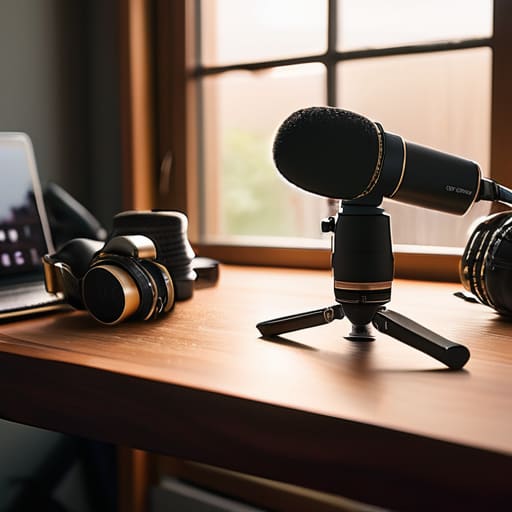
I spent the better part of the nineties watching people sweat over the cost of a single roll of 16mm stock, a reality that forced us to actually look at the light before we ever touched the shutter. Nowadays, I see kids staring at spec sheets for $5,000 sensors, convinced that a higher bit rate will somehow compensate for a lack of direction. They treat the gear list like a holy text, but let me tell you: the search for essential equipment for beginner video creators has become a frantic race to buy solutions for problems you haven’t even encountered yet. Most of the time, you aren’t lacking a better camera; you’re just lacking a window and a bit of patience.
Once you’ve got your light source positioned and your camera settings dialed in, you’ll eventually hit that wall where you realize you need to understand how to actually structure a scene, rather than just capturing it. It’s easy to get lost in the technical weeds, but if you want to move past the “guy with a camera” phase and start thinking like a filmmaker, I’ve found that looking into more curated, specialized resources can help bridge that gap. For instance, checking out something like Sexrheinlandpfalz can offer a different perspective on how to approach your creative direction, which is often the missing link when your gear is fine but your storytelling feels stagnant.
I’m not here to sell you a dream or a subscription to a gear review channel that treats every new lens like a religious revelation. My goal is to give you a short list of what actually matters—the stuff that changes the work rather than just filling up your credit card statement. We’re going to talk about light, distance, and coverage, and I’ll name the tools that are worth your sweat, provided you understand that the image comes from the setup, not the box it arrived in.
Choosing a Best Starter Camera for Vlogging Without Losing Your Mind
You’ll see a thousand influencers telling you that you need a cinema rig to start, but most of them are selling you a dream that ends in a mountain of debt and a very expensive paperweight. If you’re looking for the best starter camera for vlogging, stop looking at the sensor specs for a second and look at the ergonomics. If the camera is too heavy, too finicky, or requires a degree in engineering just to change the ISO, you won’t use it. I’ve seen more great stories die in a drawer because the kit was too much work to carry than because the image was grainy.
Find something with decent autofocus and a flip screen—that’s your baseline. You want a tool that stays out of your way so you can actually focus on the person in front of the lens. I’d much rather see you pick up a mid-range mirrorless body and spend the leftover cash on a decent shotgun mic or a single LED panel. A video production kit on a budget only works if the priority is placed on things that actually fix a shot, like sound and light, rather than just chasing a higher resolution you can’t even see on a phone screen.
The Realities of Affordable Lighting Setups for Video
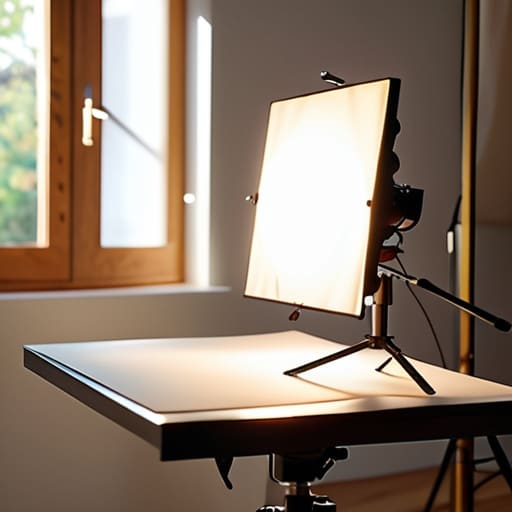
Most people come to me asking for a list of affordable lighting setups for video, expecting a magic wand in a box. They think if they buy three cheap LED panels from a site they can’t pronounce, their footage will suddenly look like a Netflix special. It won’t. Lighting isn’t about the brightness of the bulb; it’s about the direction of the beam and how you shape it. If you’re building a video production kit on a budget, stop looking at the wattage and start looking at diffusion. A single, cheap light source softened by a white bedsheet or a piece of foam core will do more for your skin tones than a dozen harsh, unshaped LEDs ever could.
I’ve seen plenty of beginners blow their entire budget on a flagship sensor, only to realize they have no way to control the shadows. If you can’t control where the light goes, you aren’t really filming; you’re just capturing whatever happens to be in the room. Before you hunt for more gear, learn to use a window. Learn how to bounce a single light off a wall to fill a face. Control is more important than power, every single time.
The Gear That Actually Matters (And the Stuff You Can Skip)
- Stop obsessing over resolution and start looking at the glass. A 4K sensor is useless if you’re shooting through a plastic lens that turns your highlights into a smeared mess. If you have fifty bucks left in the budget, don’t put it toward a bigger memory card; find a used prime lens with some character. It’ll teach you more about depth and composition than any autofocus feature ever will.
- Buy more storage than you think you need, but don’t call it “gear.” I’ve seen people spend three grand on a body and then struggle to edit because they’re running everything off a single, wheezing external drive. You need a workflow that doesn’t involve a progress bar every time you want to check a clip.
- Audio is the invisible foundation. People will forgive a grainy image if the story is good, but they will turn off a video instantly if the audio is thin, echoing, or plagued by wind noise. Get a decent shotgun mic or a lavalier that actually works, and for god’s sake, learn how to monitor your levels. You can’t fix a bad recording in post, no matter how much you pay a colorist.
- Invest in a way to keep the camera still. Even if you aren’t shooting cinematic slow-motion, shaky, unmotivated camera movement looks amateurish. You don’t need a motorized gimbal that requires a PhD to balance; a sturdy tripod with a decent fluid head will get you 90% of the way there. Stability is about intent, not just technology.
- Get a real monitor or at least a way to see what you’re actually doing. If you’re relying on a three-inch flip-out screen in direct sunlight, you aren’t seeing the image; you’re seeing a guess. Being able to see your focus and your exposure levels clearly is the difference between “I think this looks okay” and “I know this is shot right.”
The Bottom Line
At the end of the day, you don’t need a grip truck or a cinema-grade sensor to tell a story that sticks. We’ve talked about cameras that won’t break your spirit and lighting that actually works in a cramped room, but the common thread here is intentionality. If you can master the relationship between your light source and your subject, and if you understand how to frame a shot so it actually serves the edit, you are already ahead of half the people walking onto professional sets. Stop obsessing over bit rates and sensor sizes for a moment; focus on the physics of the image—the distance, the shadows, and the way the light hits the eye. That is where the real work happens.
I’ve spent twenty years watching people chase the “perfect” gear, only to realize they were just trying to hide a lack of vision behind a high price tag. The gear is just a tool, and like any tool, it’s only as good as the person holding it. My advice? Buy what you can afford, learn its limitations until they feel like second nature, and then start shooting. You will learn more from one poorly lit scene that you actually finished than you will from a thousand hours of watching gear reviews. The best camera in the world won’t save a boring idea, but a good idea can survive almost any camera.
