
I once spent three days on a documentary set in a rain-soaked valley, waiting for a single, perfect sliver of light to hit a subject’s eyes, only to spend the next week fighting with an editor to make the silence feel meaningful. Fast forward a month, and I’m in a windowless Marriott conference room, staring at a CEO who needs to look “approachable” but doesn’t want to lose his dignity under a softbox. People love to get hung up on the technicalities of how corporate video differs from film, arguing about bitrates or whether a sensor can handle the dynamic range, but they’re missing the point entirely. The real gap isn’t in the gear; it’s in the intent. One is about finding a truth that already exists, and the other is about constructing a version of reality that a board of directors can sell to shareholders.
I’m not here to sell you a subscription to a lighting plugin or tell you that you need a RED to make a testimonial look professional. Instead, I’m going to talk about the stuff that actually matters: how to manage a client who thinks “cinematic” means “dark,” how to cover a speaker so the edit doesn’t fall apart, and why your light placement will always be more important than your lens choice. This is about practicality, not prestige.
The Distance Between a Feeling and a Function
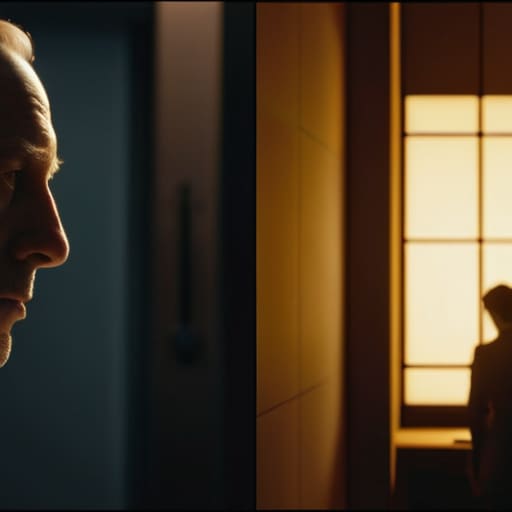
When I’m on a feature set, we spend three hours arguing about whether a backlight should feel “lonely” or “nostalgic.” We’re chasing a ghost, trying to manifest a specific emotional frequency through shadows and texture. But when I walk into a corporate shoot, the conversation shifts instantly from mood to utility. In these environments, the priority isn’t how a frame makes you feel, but how effectively it delivers information. You aren’t there to evoke a sense of existential dread; you’re there to satisfy specific business communication video goals. If the CEO’s eyes are lost in a shadow or the product label is blown out by a poorly placed key light, the project has failed, regardless of how “cinematic” the color grade looks.
It’s the fundamental friction between cinematic storytelling vs corporate messaging. In a film, a jump cut can signify a character’s fractured psyche. In a corporate production workflow, a jump cut just looks like an amateur mistake that interrupts the viewer’s ability to digest the message. You aren’t building an atmosphere; you are building a bridge of clarity. My job changes from being a poet of light to being an architect of visual information.
How Corporate Video Differs From Film in the Edit
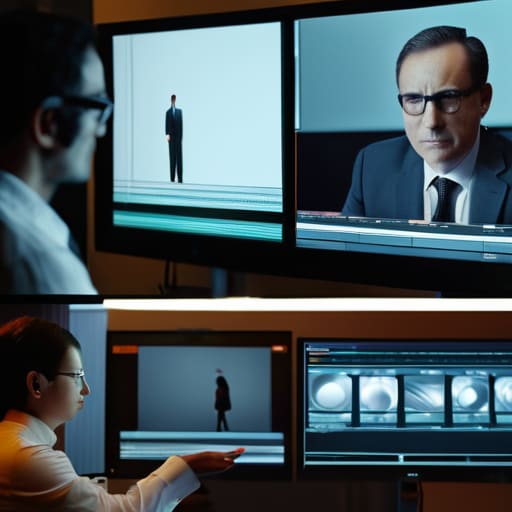
In a feature, the edit is where you find the soul of the story; you hunt for the rhythm, the subtext, and the moments where the silence says more than the dialogue. But in the corporate world, the edit is a structural exercise in efficiency. You aren’t looking for a poetic beat; you are looking for the exact moment the CEO finishes their sentence so you can cut to the B-roll of the new facility. The business communication video goals dictate the pace, and usually, that means a brisk, uninterrupted flow that keeps the viewer from clicking away.
When I’m cutting a narrative, I can afford to let a shot breathe to build tension. In a commercial production workflow, “breathing” is often seen as “dead air.” You aren’t building an emotional arc; you are facilitating a transfer of information. The tension isn’t between characters, but between the message and the viewer’s attention span. While cinematic storytelling vs corporate messaging is often debated in theory, in the edit suite, it’s a practical reality: one is about how a scene makes you feel, and the other is about how quickly a client can verify their talking points.
Cinematic Storytelling vs Corporate Messaging the Light Problem
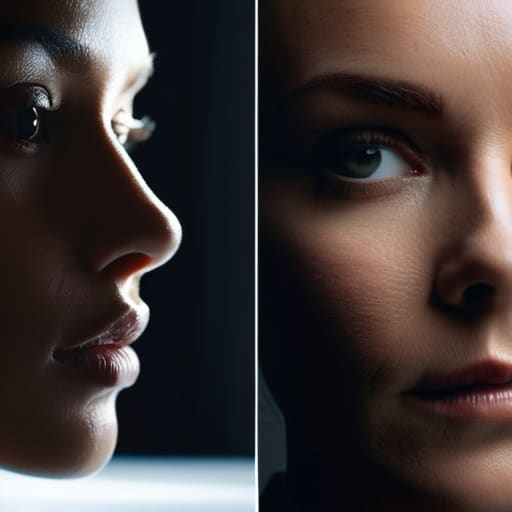
When you’re working on a narrative feature, the light is a character. You might spend three hours moving a single 1K tungsten just to catch the way a shadow falls across a cheekbone, because that shadow tells us the character is lying. In cinematic storytelling vs corporate messaging, that kind of indulgence is usually the first thing to die on the cutting room floor. In a corporate setting, the light isn’t there to hide secrets; it’s there to eliminate them.
Most business communication video goals are centered around clarity and perceived reliability. If I’m shooting a CEO, I’m not looking for moody, Rembrandt lighting that suggests a troubled past; I’m looking for a clean, high-key setup that makes them look approachable and trustworthy. You aren’t trying to evoke a subconscious dread or a sense of longing. You are trying to ensure the viewer can see the person’s eyes clearly so they don’t subconsciously distrust the message. It’s a fundamental shift in the corporate video production process: you move from sculpting atmosphere to optimizing for legibility. If the light is too dramatic, the client thinks it looks “too artsy,” which is just code for “I can’t tell what they’re saying.”
Why Business Communication Video Goals Kill the Mood
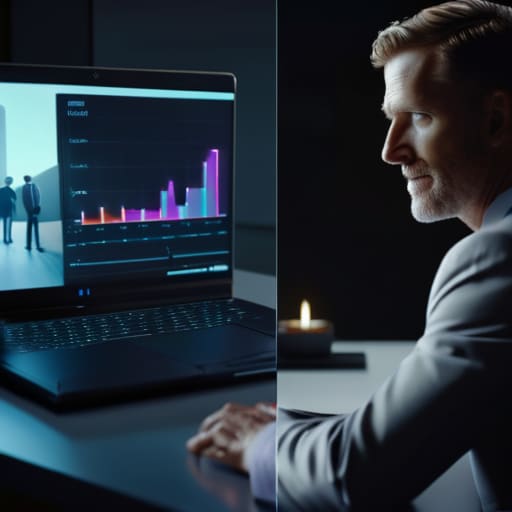
The fundamental friction starts long before I even touch the camera. It’s baked into the brief. In a narrative setting, you’re chasing a feeling—an ache, a tension, a moment of quiet realization. But when you look at the business communication video goals handed down by a marketing department, you aren’t chasing a feeling; you’re chasing a checklist. They need the CEO to look approachable, the new software to look intuitive, and the brand colors to pop with a precision that defies the laws of natural light.
This is where the creative impulse hits a brick wall. In film, we use shadows to hide things, to create mystery or depth. In a corporate environment, shadows are often seen as “unprofessional” or “too dark.” The goal shifts from evocative storytelling to pure information delivery. You aren’t trying to make the audience wonder what happens next; you’re trying to ensure they don’t miss a single word of the value proposition. It turns the production into a race toward clarity, often at the direct expense of the very mood that makes a viewer actually care.
Commercial Production Workflows and the Death of Patience
In a feature film, if the light hits a glass of water just right and the actor finds the beat, you might sit there for three hours waiting for that exact moment. In the world of commercial production workflows, that kind of patience is a luxury that usually gets you fired. You aren’t waiting for magic; you’re managing a checklist. The client has a flight to catch, the talent is billing by the minute, and the schedule is built around a series of rigid business communication video goals that don’t leave room for “finding the soul” of a scene.
You learn quickly that the process isn’t about the pursuit of a perfect frame, but the efficient delivery of a usable one. While a film crew might debate the texture of a shadow for an entire afternoon, a corporate set is driven by the clock and the need to satisfy specific video marketing objectives. It’s a different kind of discipline. You aren’t fighting to capture a fleeting emotion; you are fighting to capture enough coverage to satisfy a stakeholder who wants to see their logo looking clean, bright, and—above all—on time.
Brand Storytelling Techniques That Actually Move the Needle
The mistake most people make when they talk about brand storytelling techniques is thinking they need to mimic a Netflix trailer. They try to force high-contrast, moody lighting and slow-motion shots into a piece of content that is fundamentally meant to explain a software update. That’s not storytelling; that’s just expensive window dressing. Real brand storytelling in a corporate context is about finding the human friction within the business communication video goals. It’s not about the polished CEO in a suit; it’s about the way the light hits the hands of the person actually doing the work, or the quiet, unscripted moment between two colleagues that feels earned rather than staged.
When you’re navigating the corporate video production process, your job is to bridge that gap between a dry objective and a visual that actually sticks. Don’t reach for the heavy grip kit to create “drama.” Instead, look for the natural geometry of the space or the way a subject leans in when they’re actually being honest. If you can capture a sense of scale or intimacy without making it look like you’re trying too hard to be “cinematic,” you’ve won. You aren’t selling a dream; you’re documenting a reality that happens to be good for business.
Five Ways to Survive the Corporate Pivot Without Losing Your Soul
- Stop looking for the “hero shot” and start looking for the “clarity shot.” In a feature, I might hide an actor’s eyes in shadow to build tension; in a corporate piece, if the CEO’s eyes are obscured, the client thinks the equipment is broken. You aren’t building an atmosphere; you’re building trust, and trust requires seeing the person clearly.
- Prioritize coverage for the “information cut” over the “emotional cut.” When I’m shooting a narrative, I’m looking for the reaction shot that tells a story. In corporate work, I’m looking for the B-roll that validates the spoken word. If the narrator mentions a new warehouse, you better have a wide shot of that warehouse, or the edit will stall out no matter how pretty your lighting is.
- Respect the clock, but don’t let the client kill the setup. You’ll be tempted to rush the lighting because the marketing manager is staring at their watch, but a rushed, flatly lit room is a permanent mistake. I’ve learned to negotiate: give them the “safe” bright look they think they want, but use a bit of negative fill to keep it from looking like a dental office.
- Audio is your actual insurance policy. In film, we can play with soundscapes and silence to manipulate the audience. In corporate video, if the audio is thin or echoey, the viewer subconsciously stops believing the message. You can fix a slightly underexposed frame in post, but you can’t fix a CEO who sounds like they’re speaking from inside a cardboard box.
- Learn to embrace the “functional” aesthetic. There is a certain vanity in wanting every corporate gig to look like an A24 film, but that’s a quick way to disappoint a client. Your job isn’t to make art; it’s to make the brand look competent. If the light is clean, the subject is steady, and the message is legible, you’ve done your job. Save the moody shadows for the weekend.
The Bottom Line
Stop trying to hide a lack of light behind a high-end sensor; if the client wants a professional look, focus on the placement of your key light and the quality of your shadows before you start worrying about bit depth.
Recognize that corporate work is about clarity and utility, not poetic ambiguity—your job is to ensure the message is visible and the subject is legible, even if it means sacrificing the “mood” you’d chase on a feature set.
Master the art of coverage that respects the edit; a beautiful shot is useless in a corporate workflow if it doesn’t provide the necessary cutaways and transitions to keep a business message moving.
The Purpose of the Image
In a feature, you’re chasing a feeling, and if the light is a little messy, you call it atmosphere; in corporate work, you’re chasing a message, and if the light is messy, the client calls it a mistake. One is about how the audience feels, the other is about what they remember.
Gethin Moreau
The Bottom Line
At the end of the day, the divide between a feature film and a corporate project isn’t about the resolution on your sensor or whether you’re shooting in 4K or 8K. It’s about the fundamental intent of the frame. Film is an exploration of a feeling, often looking for the truth in the shadows, whereas corporate video is a delivery system for a message, usually trying to find the truth in the clarity. We’ve talked about how the edit serves the function over the emotion, how the lighting has to prioritize the subject over the mood, and how the workflow is dictated by a clock rather than a creative spark. If you try to treat a CEO interview like a noir monologue, you’ll end up with a mess that fails the client; if you treat a documentary like a training manual, you’ll end up with a product that nobody watches. You have to know which game you are playing before you even uncase the tripod.
If you’re a filmmaker moving into the corporate world, don’t look at it as a compromise of your craft. Look at it as a different kind of puzzle. There is a quiet, technical mastery in making a dry subject look professional, clean, and engaging without relying on heavy-handed cinematic tricks. The goal isn’t to pretend you’re making a blockbuster; the goal is to master the constraints of the medium you’ve been given. Whether you’re chasing a sunset for a feature or lighting a sterile office for a brand story, the principle remains the same: respect the light, respect the subject, and for heaven’s sake, respect the purpose of the shot.
