I remember sitting in a cramped, unventilated studio in South London, watching a junior DP spend forty minutes arguing with a client about whether a specific set of glass would “feel more cinematic.” He was convinced that buying a pair of high-end anamorphic lenses was a shortcut to a certain soulfulness, as if the glass itself could do the heavy lifting of storytelling. The truth is, people get so caught up in the bokeh and the flares that they forget how anamorphic lenses work in a real-world environment—where you have to fight the squeeze, manage the distortion, and pray the lighting doesn’t turn your wide frame into a muddy mess. It’s not a magic button; it’s a geometry problem that requires more discipline than most people realize.
I’m not here to sell you a dream or a gear list that costs more than your car. What I want to do is strip away the marketing fluff and talk about the actual mechanics of the squeeze and how it changes your approach to blocking and light. I’ll explain the physics without the textbook jargon, so you can decide if the headache of desqueezing in post is actually worth the look you’re chasing.
Understanding How Anamorphic Lenses Work
To understand the mechanics, you have to stop thinking about the sensor and start thinking about the glass. A standard spherical lens takes a scene and projects it onto the sensor exactly as your eye sees it. An anamorphic lens, however, uses a specialized cylindrical element to perform an optical squeeze factor explained simply: it compresses a wide field of view into a much narrower frame. It’s essentially a trick of geometry. You’re packing more horizontal information into a space that would otherwise be too cramped for a wide master shot.
When you get that footage into the edit, you have to run the aspect ratio desqueeze process to stretch those pixels back out to their rightful proportions. This is where the magic—and the headache—happens. Because you’ve squeezed the image, the vertical dimension remains relatively untouched while the horizontal expands. This creates that signature anamorphic bokeh shape, turning those standard round out-of-focus highlights into the elongated ovals we associate with “the cinema look.” It isn’t just about a wider frame; it’s about how the light itself is being bent and redistributed across the sensor.
Key Things to Know
Before you go out and buy a set of glass just because you saw a pretty flare in a sci-fi flick, you need to understand what you’re actually signing up for. It isn’t just a filter; it’s a fundamental change in how you capture information. When we talk about the optical squeeze factor explained, we’re talking about how the lens physically compresses a wide field of view onto a much narrower sensor. You aren’t just “getting a wider look”—you are fundamentally altering the relationship between the light and the plane of focus.
Then there is the aesthetic tax. If you do a spherical vs anamorphic comparison, you’ll notice immediately that the latter isn’t “cleaner.” You’re going to deal with oval-shaped bokeh and those distinct horizontal streaks that people love to talk about. But remember, those anamorphic lens flare characteristics aren’t magic; they are artifacts of the lens construction. If you don’t know how to light for them, they won’t look cinematic—they’ll just look like a mistake you forgot to fix in post.
Practical Tips and Steps
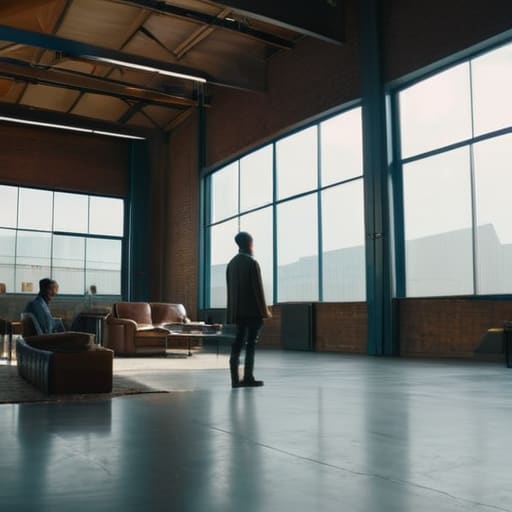
If you’re actually going to pull the trigger on these glasss, stop thinking about the sensor and start thinking about your floor plan. Because of that optical squeeze factor, you aren’t just shooting a wider image; you’re fighting for real estate. You need to give your actors more room to move laterally. If you frame a conversation like you would with standard spherical glass, you’ll find yourself suffocating the composition once you hit the post-production desk. I’ve seen too many beginners realize too late that their “wide” shot is actually just a cramped medium shot once the desqueeze happens.
Don’t chase the gear for the sake of the spec sheet; chase it for the way it handles the light. You need to be intentional about your light sources if you want those signature anamorphic lens flare characteristics to look like cinema rather than a mistake. Position your practicals so they catch the edge of the glass just right. It’s a delicate dance between the light and the lens, and if you don’t respect the physics of the squeeze, you’re just making more work for your colorist.
Common Mistakes to Avoid
The biggest mistake I see is treating the lens like a magic wand that solves a composition problem. People buy anamorphic glass thinking it will automatically give them that “cinematic” look, but they forget that you’re fundamentally changing the geometry of your frame. If you don’t account for the optical squeeze factor explained in your blocking, you’re going to end up with subjects that look unnaturally stretched or cramped once you hit the desk. You can’t just set up like you’re shooting spherical and expect the magic to happen in post; you have to light for the width you’re actually going to have.
Then there’s the technical fallout. I’ve seen too many newcomers get tripped up by the aspect ratio desqueeze process, thinking it’s a simple toggle in their software. If your metadata is wrong or your workflow isn’t locked in, your entire project is a headache waiting to happen. And please, stop chasing every stray light source just because you want those horizontal streaks. If you don’t control your light, those flares won’t look intentional—they’ll just look like a mistake you’re trying to hide.
Final Thoughts
At the end of the day, don’t let the gear dictate the story. I’ve seen plenty of shooters walk onto a set with a pristine anamorphic kit, only to realize they haven’t thought about their lighting or their blocking, and they end up with a beautiful, wide-screen mess. Whether you’re chasing that specific anamorphic bokeh shape or you’re just trying to capture a sense of scale, remember that the glass is just a tool. If the light isn’t hitting the subject right, no amount of horizontal lens flare is going to save the shot.
If you are just starting out, don’t get bogged down in the math of the optical squeeze factor explained in every manual you read. Instead, focus on how the wider field of view changes your relationship with the space. A spherical lens is honest and predictable; an anamorphic lens is a choice that demands you respect its quirks. It’s about knowing when the extra texture is worth the technical headache and when it’s just getting in the way of the performance. Just keep your eyes on the light and your feet on the ground.
Five ways to stop fighting your glass and start using it
- Respect the squeeze ratio before you commit. You aren’t just buying a “look”; you’re deciding how much horizontal information you need to cram into that sensor. If you’re shooting a 2x squeeze on a sensor that isn’t sized for it, you’re going to spend half your life in post-production trying to fix a crop that shouldn’t have been there in the first place.
- Watch your depth of field, because it’s lying to you. Anamorphic glass gives you that shallow, cinematic fall-off, but remember that the perceived depth is different from what your light meter tells you. You’ll find yourself needing to adjust your distance and your aperture more often than you would with spherical glass just to keep the eyes in focus while the background melts.
- Light is your best friend and your worst enemy with flares. Those beautiful horizontal streaks everyone chases? They aren’t magic; they’re optical artifacts. If you don’t know exactly where your key light is positioned in relation to the lens axis, you’ll end up with a frame that’s washed out rather than “dreamy.” Control your light sources, or the lens will control you.
- Don’t forget the extra work in the coverage. Because you’re squeezing a wider field of view into a narrower frame, your blocking needs to be tighter and more intentional. You can’t just wander around the room like you’re shooting a wedding; you have to think about how the movement translates once that image is de-squeezed and stretched back out.
- Stop looking for the “perfect” lens and start looking for the right character. I’ve seen guys spend six months saving for a pristine set of master anamorphic primes, only to realize the slight imperfections and the organic distortion of a vintage, beat-up set actually served the story better. The gear is just a way to shape the light; don’t let the spec sheet dictate your creativity.
The Bottom Line
Don’t buy an anamorphic set because you think it’ll fix a boring composition; buy it because you understand how the squeeze affects your field of view and your light.
Mastery of the look comes from managing the distortion and the flares, not just slapping a lens on a sensor and hoping for the best.
If you can’t make a scene work with light and blocking on spherical glass, a more expensive anamorphic lens isn’t going to save your footage.
The Squeeze and the Soul
People treat anamorphic lenses like a magic button for ‘cinematic’ looks, but they forget that you’re essentially buying a specific kind of optical headache. It’s not just about the wide field of view or the flares; it’s about how that glass bends the light differently than a standard spherical lens, and whether you’ve actually done the work to compose a frame that deserves that extra width.
Gethin Moreau
The Final Frame
At the end of the day, understanding the mechanics of the squeeze is only half the battle. You can know exactly how the glass compresses the image and how the desaturation or the flares might behave, but that doesn’t mean the lens will do the work for you. Anamorphic cinematography is a constant negotiation between the geometry of the frame and the light you’ve managed to pull into the room. If you don’t respect the depth of field or the way the lens handles a backlight, you aren’t making a cinematic masterpiece; you’re just making a distorted mess that no amount of post-production can fix. Remember that the gear is just a way to shape the light, not a shortcut to a mood.
I’ve seen shooters spend months saving for a set of vintage glass only to realize they haven’t mastered the basics of blocking or coverage. Don’t let the pursuit of a “look” blind you to the fundamentals of the craft. The most important thing isn’t the flares or the oval bokeh; it’s the decision of where to place the camera to tell the story. Use these lenses because they serve the narrative, not because you think they’ll hide a lack of vision. If you get the light right and the composition holds, the choice of glass becomes an extension of your eye rather than a crutch for your technique.
