
I once spent four hours on a corporate shoot in a windowless hotel conference room, watching a client try to “direct” the mood by asking if we could just make the colors look more expensive. They didn’t want a better sensor or a more expensive lighting package; they wanted a feeling they couldn’t name, and they were looking at me to conjure it out of thin air. Most of the advice you’ll find online about how to work with a client on set focuses on managing their ego or using fancy communication apps, but that’s nonsense. Real client management isn’t about psychology or polished presentations; it’s about managing the physical reality of the production so their indecision doesn’t kill your coverage.
I’m not going to give you a lecture on professional etiquette or how to write a perfect contract. Instead, I’m going to tell you how to handle the person standing two feet from your monitor who has no idea how light works but thinks they do. We’ll talk about how to build trust through your technical choices, how to say “no” without being a prick, and why over-preparing your coverage is the only real way to survive a client who changes their mind every twenty minutes.
The Distance Between Vision and Reality How to Work With a Client on Set
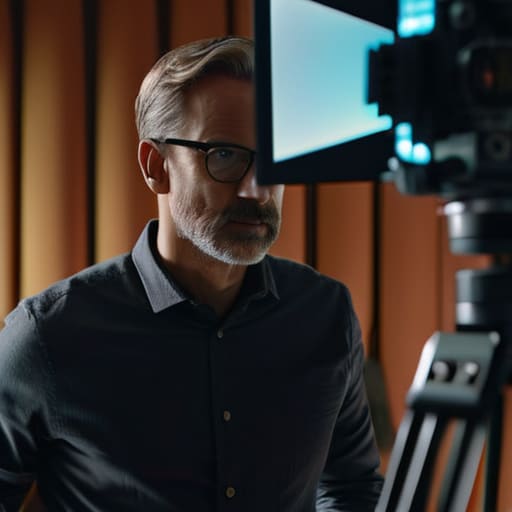
The moment a client steps onto a set, the air changes. They aren’t there to worry about the flicker in your LED panels or the way the key light is hitting the subject’s nose; they are there because they are terrified of the final product not looking like the expensive idea they sold to their boss. This is where most freelancers stumble. They either become doormats, letting the client dictate every frame, or they become dictators, shutting down the very people paying the invoices. The real skill isn’t in the camera work, but in managing client expectations during shoots by providing them with a sense of progress without inviting them into the technical weeds.
I’ve learned that the best way to maintain authority is to let them see the process, not just the result. If they start hovering, don’t snap at them. Instead, walk them through the coverage. Explain why you’re shooting a wide before you move in for the close-up. When you treat them like a partner in the visual narrative rather than an intruder, you find that maintaining creative control with clients becomes less about fighting for your vision and more about guiding theirs toward something that actually works in the edit.
Managing Client Expectations During Shoots Without Sacrificing the Image

The biggest mistake I see young shooters make is thinking that managing client expectations during shoots means saying “yes” to every whim. If a client wants a wide shot but the light is currently only hitting the subject’s eyes in a way that creates depth, you don’t just pivot because they asked. You explain the physics of it. You tell them, “If we move there, we lose the shape of the face, and we can’t fix that in post.” It isn’t about being difficult; it’s about maintaining creative control with clients by framing your decisions as technical necessities rather than artistic ego.
When the pressure mounts, lean into your professionalism. Most of the time, a client’s interference comes from a place of anxiety—they’re paying for the day and they want to feel involved. The best way to handle this is through proactive communication before the first light is even rigged. If you’ve already walked them through the coverage and why you’re choosing certain angles, they’ll trust you when things get hectic. Don’t let their nerves dictate your framing; let your prep do the talking.
Effective Client Communication Strategies Why Silence Is Often a Mistake
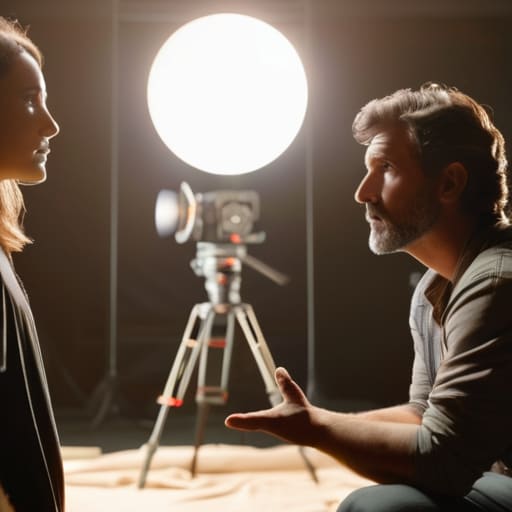
I’ve sat on enough sets to know that when a client goes quiet, it’s rarely because they’re satisfied with the coverage. Usually, they’re stewing on something they saw ten minutes ago—a shadow that looked too harsh or a framing choice that didn’t match the mood in their head. If you wait until the wrap to address their concerns, you’ve already lost. Silence isn’t a buffer; it’s a vacuum that gets filled with anxiety. One of my most reliable effective client communication strategies is simply to narrate the “why” as we go. If I’m moving a key light or changing a focal length, I tell them what I’m doing and, more importantly, why it serves their end goal. It’s not about asking for permission; it’s about providing a roadmap so they don’t feel like they’re passengers on a ship they can’t see steering.
When you’re practicing on-set etiquette for freelancers, there is a fine line between being a collaborator and being a doormat. If a client suggests a change that will absolutely wreck the lighting or the continuity, don’t just nod and hope for the best. That’s how you end up with a shot that looks expensive but tells no story. Instead, offer the trade-off. “We can do that wide shot, but we’ll lose the intimacy of the backlight we just spent twenty minutes perfecting.” You aren’t being difficult; you are being a professional who understands the physics of the frame. Giving them a choice between two viable paths keeps them involved without letting them drive the camera into a ditch.
Maintaining Creative Control With Clients While Keeping the Peace

The trick to maintaining creative control with clients while keeping the peace isn’t about winning an argument; it’s about winning the light. If a client walks onto a set and starts demanding a specific shot that you know will look flat or break the continuity, don’t tell them they’re wrong. That’s a quick way to end a career. Instead, show them the alternative. I’ve found that if you can demonstrate how a slight shift in the key light or a change in camera height achieves their intended mood more effectively, they’ll usually step back and let you work. You aren’t fighting for your ego; you’re fighting for the image.
Real professionalism on production sets comes down to being the most prepared person in the room. When you have your coverage planned and your lighting motivated, you aren’t just reacting to whims—you’re executing a vision. If you’ve done the work beforehand, you can pivot when they ask for a change without looking like you’re scrambling. It’s about managing client expectations during shoots by being the expert they hired, not just a technician waiting for instructions. Keep your head down, keep your light consistent, and let the monitor do the talking.
Professionalism on Production Sets More Than Just Showing Up Early
Being professional isn’t about having the most expensive kit in the grip truck or arriving ten minutes before the call sheet says. It’s about the quiet competence that keeps a set from descending into chaos when the sun starts to drop. Most people think professionalism on production sets is about your credentials, but it’s actually about how you handle the friction. When a client asks for a shot that you know is going to look like garbage because the light is flat or the angle is cramped, being a professional means having the backbone to say “no” while offering a “better yes.” It’s about showing them you aren’t just a button-pusher, but someone who understands the physics of the room.
True on-set etiquette for freelancers involves a certain level of emotional stewardship. You have to be the calmest person in the room, even when the schedule is slipping and the client is starting to sweat. If you lose your temper or start bickering over technicalities, you’ve already lost the room. Instead, focus on the logistics—the light, the blocking, the coverage—and let your results do the talking. If you manage the environment with a steady hand, you’ll find that client relationship management in production becomes less about negotiation and more about simple, earned trust.
On Set Etiquette for Freelancers and Long Term Client Relationship Manageme
At the end of the day, your reputation isn’t built on the dynamic range of your sensor or the sharpness of your glass; it’s built on how you behave when the sun is dropping and the client is panicking. Real on-set etiquette for freelancers isn’t about being polite; it’s about being the most composed person in the room. If the lighting setup is failing because the location is a disaster, don’t vent to the assistant or roll your eyes at the producer. You absorb the chaos, find a practical solution with the bounce cards you have, and keep moving. People remember the person who kept their head when the schedule slipped.
Long-term client relationship management in production is really just a game of consistency. If you treat a small corporate gig with the same technical rigor and quiet discipline as a feature film, they’ll call you back when the real money shows up. It’s about showing up, knowing your kit, and understanding that your job is to make them feel safe about the image. When they see you respect the process, they stop questioning the gear and start trusting your eye.
Five Ways to Keep the Set Moving Without Losing Your Mind
- Let them talk, but don’t let them direct. If a client starts suggesting where the light should go or how the actor should move, listen, nod, and then explain the technical consequence of their idea—not as a refusal, but as a logistical reality. It’s much harder for them to argue with “the shadow will fall across the key light if we move that” than with “I don’t think that’s a good idea.”
- Give them a win early. Find something small, something visual and obvious—maybe a particularly nice flare or a clean composition—and point it out to them. Once they feel like they’ve “seen” the quality of the work, they tend to settle into a passive role, trusting that you’ve already found the good stuff.
- Control the physical space, not just the frame. If you let a client wander into the middle of your blocking or stand right next to the monitor while you’re trying to judge exposure, you’ve already lost the battle. Establish a “viewing station” away from the action; it keeps them out of the way and gives them a dedicated place to feel involved without being an obstacle.
- Stop treating the monitor like a private sanctuary. If you’re hiding behind the screen, they’ll get nervous and start hovering. Occasionally turn the monitor toward them or invite them over to see a specific detail. If they feel like they have access to the image, they’ll stop feeling the need to hover over your shoulder to see what’s happening.
- Over-communicate the “why” of the setup. When you spend twenty minutes moving a single light, don’t just let them sit there in silence thinking you’re being slow. Tell them: “I’m just shaping the light on the subject’s face so we don’t have to fight the skin tones in the grade later.” It frames your time as an investment in the final product rather than just a delay in the schedule.
The Bottom Line
Stop trying to win an argument about a lens or a light when the client is nervous; instead, show them how your setup solves their underlying fear, usually through better coverage or a clearer sense of the story.
Your value isn’t in the gear you bring, but in your ability to remain the calmest person in the room when the schedule slips or the lighting changes, because a panicked DP makes for a panicked production.
Build a reputation on the work that survives the edit, not the work that looks flashy on a monitor during a break, and remember that a client who trusts your process is a client who stops hovering over your shoulder.
The Illusion of Control
A client isn’t there to direct your lighting or tell you where to place the tripod; they’re there because they’re nervous about the end product. If you spend your energy fighting them for creative dominance, you’ll lose the shot. If you spend it showing them how the light hits the subject, you’ll win the edit.
Gethin Moreau
The Final Frame
At the end of the day, managing a client isn’t about winning an argument over a specific lens or a particular lighting ratio; it’s about managing the energy in the room. You’ve learned that communication keeps the panic at bay, that professional distance protects your craft, and that showing up with a plan—even if that plan changes ten times before lunch—is what builds real trust. If you focus on the light, the coverage, and the practical reality of what can actually be achieved in the time you have, you aren’t just delivering a file; you are delivering peace of mind. Most clients don’t actually want to debate the merits of a 50mm versus an 85mm; they just want to know that you are in control of the chaos.
I’ve spent twenty-three years watching people chase the latest sensor technology while forgetting that the most important tool on set is the person standing behind the viewfinder. You can buy every piece of glass in the catalog, but no amount of gear will fix a broken relationship with a producer or a client who feels ignored. Build your reputation on your ability to listen as well as you see. If you can navigate the human element with the same precision you use to shape a key light, you won’t just be a guy with a camera—you’ll be the person they call every single time.
