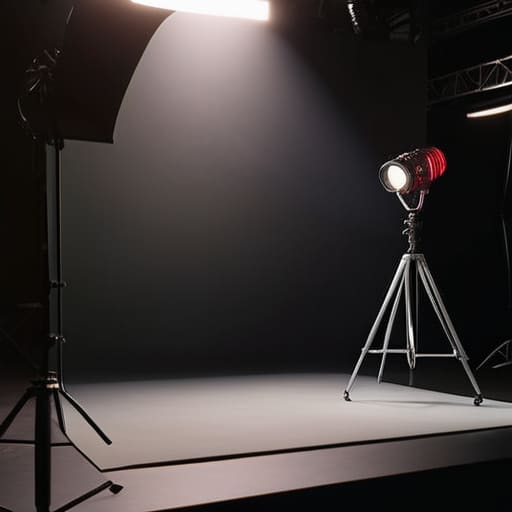
I remember a shoot in a cramped, windowless basement in South London back in ’04. We were burning through the last of a precious roll of 16mm, the producer was breathing down my neck about the daylight robbery of the rental fee, and the director kept asking if we could “just try one more angle” to make it look more cinematic. That’s the trap. People think they need a more expensive sensor or a more complex rig to solve a scheduling crisis, but they’re looking at the wrong end of the lens. The truth about how to shoot fast and still get it has nothing to do with your gear list and everything to do with how you pre-visualize the light before you even uncase the tripod.
I’m not here to sell you a new gimbal or a subscription to some bloated software. I’m going to tell you how to build a coverage plan that actually works in the edit, how to stop over-lighting scenes that don’t need it, and how to make the decisions that keep you moving when the sun is actually setting. We’re going to talk about blocking, distance, and discipline—the stuff that actually matters when the clock is ticking and the budget is bleeding.
Understanding How to Shoot Fast and Still Get It

Most people think shooting fast is about moving your feet or cranking the tripod head. It isn’t. If you’re sprinting between setups without a plan, you aren’t being efficient; you’re just being frantic. Real speed comes from the mental math you do before you even touch the power switch. It’s about knowing exactly where the key light is going to sit and having your coverage mapped out so you aren’t staring at a monitor wondering if you caught the eyeline.
You have to treat the technical side like a ritual. I’ve spent years developing a kind of muscle memory for rapid fire—not in the sense of a shooter, but in the way my hands know exactly how much tension to put on a follow focus or how to adjust a matte box without looking. It’s about improving shooting accuracy under pressure by automating the trivial stuff. If you have to think about how to balance a gimbal or how to check your exposure, you’ve already lost the momentum. The goal is to move with intent, ensuring that every transition is a calculated step toward the next shot, rather than a desperate scramble to catch up to the clock.
Key Things to Know
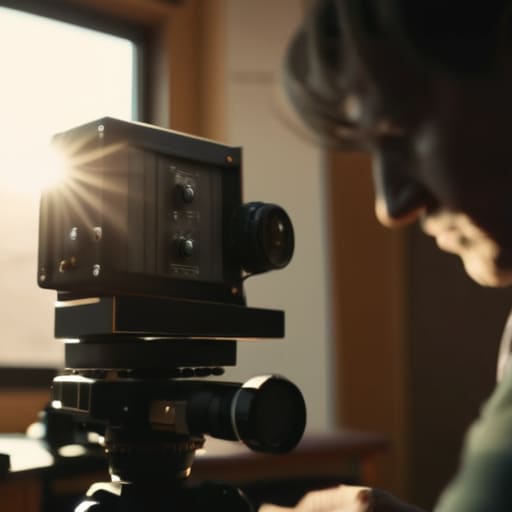
First, you have to accept that speed isn’t about moving your hands faster; it’s about moving them less. I’ve seen kids on their first freelance gigs burn through half a day’s light because they were constantly fiddling with a follow focus or hunting for a menu setting. Real efficiency comes from minimizing movement during transitions. If you know exactly where your camera is going before you even touch the tripod, you aren’t wasting time “finding” the shot—you’re just executing it.
This is where the technical side meets the physical. You need to develop a certain level of muscle memory for rapid fire setups, which doesn’t mean being sloppy, it means being certain. I tell my assistants that the goal is improving shooting accuracy under pressure by automating the small stuff. If you have to think about how to lock your pan handle or how to balance your rig every single time, you’ve already lost the rhythm of the scene. You want your gear to feel like an extension of your own eyes, not a puzzle you’re solving in real-time while the sun is setting.
Practical Tips and Steps
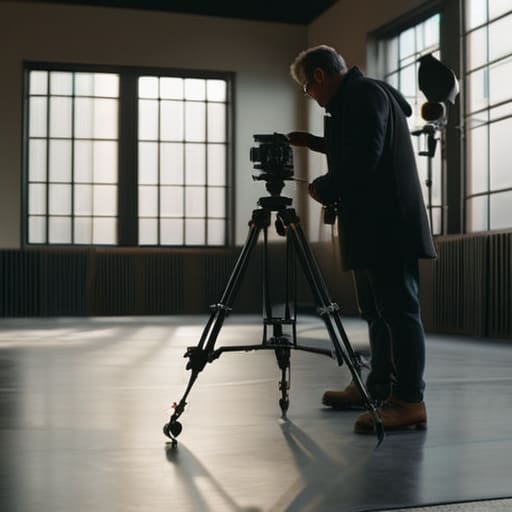
Start with your blocking. If you’re waiting until the camera is on to figure out where the actor is moving, you’ve already lost the day. I’ve spent more time watching people stumble through a scene because they didn’t respect the physical space than I have fixing bad exposure. You need to build muscle memory for rapid fire adjustments. This doesn’t mean moving faster; it means moving with intent. Know where your tripod legs will land and exactly where your monitor will sit before the talent even walks in. If you aren’t anticipating the movement, you’re just reacting, and reacting is how you miss the shot.
Next, look at your transitions. Most of the time wasted on set comes from the awkward dance between a wide shot and a close-up. You can tighten this up by minimizing movement during transitions—don’t tear the whole kit down just to shift a light three inches. Keep your kit lean and your setup logical. I’ve seen guys spend twenty minutes recalibrating a gimbal when a simple handheld move would have told the story better. Stop overcomplicating the mechanics and start focusing on the coverage.
Common Mistakes to Avoid
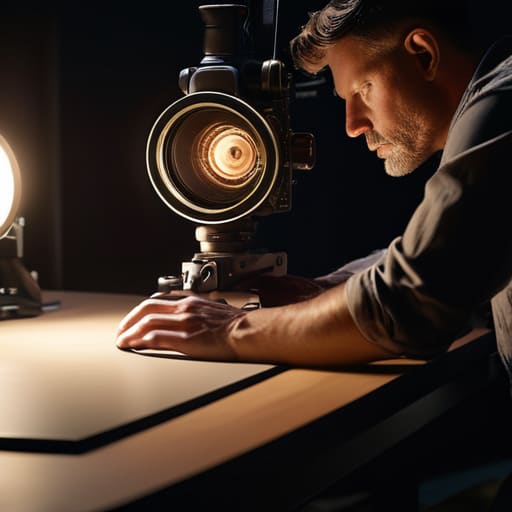
The biggest mistake I see is the frantic rush to move. People think speed is about how fast you can physically run from one setup to the next, but they end up sacrificing everything in the process. They’re so focused on the clock that they forget to check their exposure or their focus. You end up with a reel of footage that’s technically “there” but fundamentally broken. Instead of rushing, you should be focusing on minimizing movement during transitions. If you can plan your path and your lighting adjustments before you even touch the tripod, you save more time than any sprint ever could.
Then there’s the gear trap. I see young shooters trying to compensate for a lack of preparation by leaning on autofocus or expensive stabilizers, thinking the tech will save them. It won’t. If you haven’t developed the muscle memory for rapid fire movements—meaning, knowing exactly where your eye sits in the viewfinder and how much weight your shoulder can take—you’re just making expensive mistakes. You can’t buy your way out of a disorganized workflow. If you don’t have the fundamentals down, you aren’t shooting fast; you’re just failing quickly.
Final Thoughts
At the end of the day, don’t mistake frantic movement for efficiency. I’ve spent more time on sets watching people trip over cables and scramble through menus than I have actually rolling. They think they’re being fast, but they’re just being loud. Real speed comes from minimizing movement during transitions—knowing exactly where your hand needs to go before you even reach for the dial. It’s about stripping away the unnecessary until all that’s left is the shot.
If you want to get better, stop obsessing over the latest sensor specs and start focusing on your own physical workflow. You need to build a level of muscle memory for rapid fire adjustments so that when the light shifts or the talent moves unexpectedly, you aren’t thinking; you’re just reacting. It’s a discipline, much like any other craft. Treat your setup like a ritual. If you master the fundamentals of your kit and your lighting, the speed will follow naturally. Everything else is just expensive noise.
Five ways to stop spinning your wheels
- Prioritize your lighting before you even touch a tripod. If you spend three hours chasing the perfect bounce because you didn’t plan your key light, you’ve already lost the day. Set your light, check your exposure, and once it’s locked, leave it alone. You can tweak the camera later, but you can’t fix a dark room in post without making the whole thing look like muddy soup.
- Stop over-thinking your coverage. You don’t need a wide, a medium, a tight, and a profile for every single beat. If the performance is landing and the light is working, take the shot and move on. A scene with three great shots is infinitely better than a scene with twelve mediocre ones just because you felt the need to check every box on a shot list.
- Master your movement so it isn’t an afterthought. If you’re planning to use a gimbal or a dolly, know exactly where it starts and where it ends before you hit record. Nothing kills a fast-paced shoot like a DP who is still “feeling out the movement” while the talent is staring blankly into the lens waiting for a cue.
- Simplify your kit. I’ve seen crews spend forty minutes swapping lenses for a shot that could have been handled by a decent zoom or a slightly different distance. Every time you change a lens, you’re re-adjusting focus, re-checking light, and re-evaluating your composition. If you can get the shot without changing gear, do it.
- Trust your eyes, not your monitor. It’s easy to get bogged down squinting at a tiny 5-inch screen, trying to find technical perfection in the shadows. Get up, look at the actual scene, see how the light hits the subject’s eyes, and trust your experience. If it looks right in the room, it’ll usually look right on the sensor.
The Bottom Line
Speed isn’t about moving your hands faster; it’s about making your decisions before you even arrive on set so you aren’t staring at a monitor trying to figure out what the hell you’re looking at.
A better sensor won’t save a scene that lacks coverage, so prioritize your blocking and your light sources over the urge to swap lenses every twenty minutes.
If you find yourself fighting the gear to get the shot, you’ve already lost the battle—simplify the setup, trust your eyes, and remember that the best shot is the one you actually captured before the light changed or the talent walked off.
The Illusion of Speed
Speed isn’t about how fast you can click the shutter; it’s about how much thinking you did before you even touched the tripod. If you haven’t mapped out your light and your coverage in your head, you aren’t shooting fast—you’re just rushing toward a pile of unusable footage.
Gethin Moreau
The Bottom Line
At the end of the day, shooting fast isn’t about rushing through the shot list or cutting corners on your lighting. It’s about the preparation you did before the talent even walked into the room. It’s about knowing your coverage, understanding your light sources, and having the discipline to stop chasing a “perfect” look that won’t even show up in the edit. If you’ve mastered your blocking and you aren’t fighting your gear every time you need to move, you’ve already won half the battle. Remember: speed is a byproduct of competence, not a substitute for it. Don’t let the pressure of the clock trick you into making decisions that a colorist can’t fix later in post.
I’ve spent more time than I care to admit watching people scramble because they bought a new sensor but forgot how to read a room. The truth is, the most important tool in your kit isn’t the camera you’re currently saving up for; it’s your ability to see the scene clearly and execute it with intention. Whether you are working on a shoestring documentary or a corporate gig with a massive grip truck, aim to be the person who is ready when the light is right. Stop worrying about the specs and start focusing on the substance of the frame. That is how you actually get it.
