I’ve spent half my life watching people spend six months’ rent on a new drone, only to fly it like they’re playing a video game, producing nothing but shaky, nauseating sweeps that no editor on earth can save. They treat this supposed complete guide to drone filming like it’s a manual for a new piece of hardware, obsessing over sensor specs and gimbal stabilization while completely ignoring the most basic rule of cinematography: context. I once watched a kid on a high-budget commercial set try to “wow” the director with a frantic, high-speed orbit that had zero relationship to the lighting or the blocking of the scene. He had the most expensive toy in the air, but he didn’t have a single useful shot because he forgot that a drone is just a flying camera, not a magic wand.
I’m not here to sell you on the latest flight modes or the prettiest flight controllers. My goal is to give you a perspective rooted in actual coverage and intentionality. We’re going to talk about how to use altitude to tell a story, how to manage your light when you’re moving through shadows, and how to ensure your aerial shots actually serve the edit rather than just being expensive interruptions. This isn’t about flying; it’s about cinematography from above.
Beyond the Toy a Complete Guide to Drone Filming
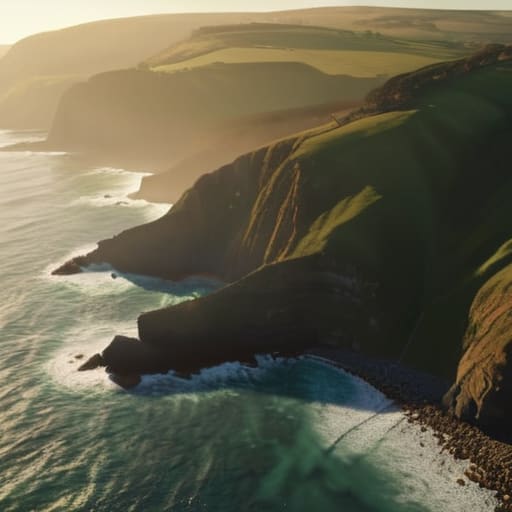
Most people pick up a drone and think they’ve been handed a magic wand that solves their lack of scale. They aren’t. If you’re flying a high-end rig but your framing is static and your lighting is midday-harsh, you’ve just produced an expensive, floating postcard. To move into real aerial cinematography techniques, you have to stop thinking like a pilot and start thinking like a DP. That means understanding how the sun interacts with the landscape at 6:00 AM and realizing that a drone is just another camera in your kit—one that happens to be unmoored from the ground.
Before you even think about the “cinematic” look, you need to master the basics of your drone camera settings for video. If you’re shooting in auto-exposure, you’ve already lost. You need to lock your shutter speed to your frame rate to maintain motion blur, and if you aren’t shooting in a logarithmic profile to give your colorist something to work with, you’re wasting your time. It’s not about the drone’s sensor size; it’s about how you manage the light and the movement to ensure the shot actually serves the story.
The Truth About the Best Drone Gear for Filmmakers
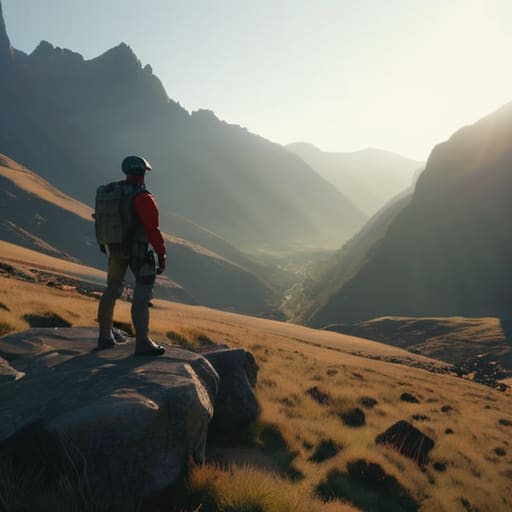
Look, I see the forums every day. People spend six months debating whether they need a sensor with one extra stop of dynamic range or a slightly more aerodynamic chassis. They’re looking for the “magic” button that makes their footage look like a Ridley Scott film. Here is the truth: the best drone gear for filmmakers isn’t the one with the most expensive spec sheet; it’s the one that stays out of your way. If you’re so preoccupied with the bit rate that you’re missing the way the shadows are stretching across the valley at golden hour, you’ve already lost the shot.
I’ve seen guys show up with enterprise-grade rigs only to produce garbage because they didn’t bother mastering basic drone camera settings for video. If you aren’t shooting in a logarithmic profile to give your colorist something to actually work with, you’re just wasting storage. Don’t get me wrong, a larger sensor helps when you’re fighting harsh midday sun, but no amount of glass or processing power can fix a pilot who doesn’t understand how to manage exposure or movement. Invest in your eyes and your understanding of light first; the hardware is just a means to an end.
Mastering Drone Camera Settings for Video and Light
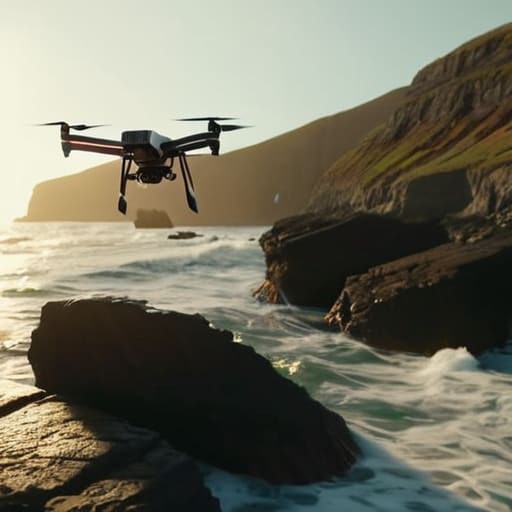
Before you even think about touching the gimbal, look at the sun. Most people fly a drone into a scene and wonder why their footage looks like a high-end vacation vlog instead of a film. If you want to master drone camera settings for video, you have to stop treating the sensor like a smartphone. Start with your shutter speed. If you aren’t using ND filters to keep your shutter at double your frame rate, your motion is going to look jittery and digital. It’s a fundamental rule of physics, not a suggestion.
Once you’ve managed the light, stop relying on the “Auto” button. It’s the fastest way to ruin a shot with shifting exposure and hunting focus. I want to see consistent ISO, locked-in white balance, and a bit of headroom in your shadows. If you’re shooting in a flat profile, you’re giving your colorist a fighting chance to actually work with the data. It isn’t about having the most expensive sensor; it’s about controlling the light before it hits the glass so you aren’t trying to fix a blown-out sky in post-production.
Cinematic Drone Movement Patterns That Actually Tell Stories
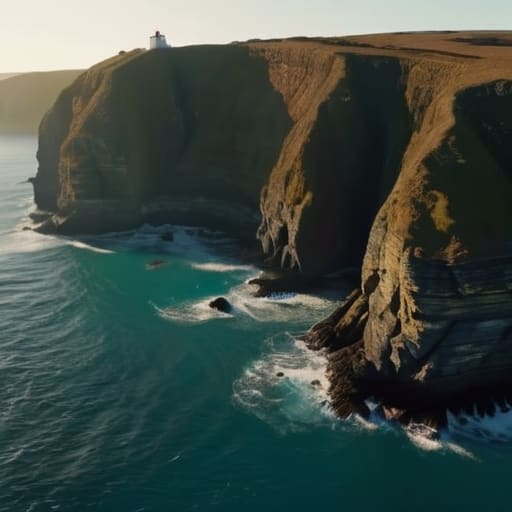
Most people fly a drone like they’re playing a video game, twitching the sticks and hoping the footage looks “epic.” It rarely does. If you want to move away from amateurish hovering and toward actual cinematic drone movement patterns, you have to stop thinking about the drone and start thinking about the subject. A slow, purposeful push-in isn’t just about getting closer; it’s about narrowing the viewer’s focus to a specific point of tension. Conversely, a lateral slide—a parallax shot—works because it provides a sense of scale and depth that a static shot simply can’t touch.
The mistake I see most often is movement for the sake of movement. If the camera is moving but the story isn’t progressing, you’re just adding visual noise. You need to coordinate your flight path with the light and the blocking of your scene. I’ve seen more ruined shots by a frantic pilot trying to show off his aerial cinematography techniques than by a guy who just sat still and waited for the sun to hit the right angle. Before you attempt a complex orbit, ask yourself if the movement actually serves the edit. If it doesn’t, keep the sticks still.
Aerial Cinematography Techniques Distance Scale and Patience
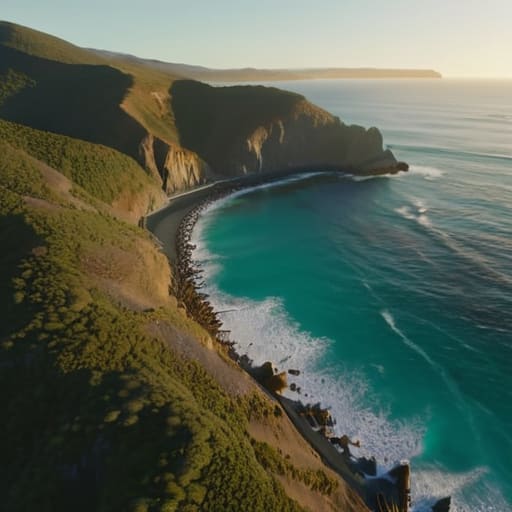
The mistake I see most often isn’t a lack of high-end sensors; it’s a lack of perspective. People fly too close, too fast, and too often. They treat a drone like a handheld camera that happens to be in the sky, forgetting that once you leave the ground, your relationship with scale changes entirely. If you want to master actual aerial cinematography techniques, you have to stop looking for the “cool” shot and start looking for the context. Sometimes the most powerful image isn’t the close-up of a coastline, but the wide, slow pull-back that shows just how small that coastline is against the ocean. It’s about the space between the subject and the lens.
This is where most beginners fail: they mistake movement for cinematography. I’ve seen more ruined sequences from erratic, “look-at-me” flying than from poor lighting. True cinematic drone movement patterns rely on intentionality and restraint. If you aren’t moving the drone to reveal something new or to emphasize a sense of isolation, you’re just wasting battery. You need to learn to work with the natural topography and the way light hits the landscape at different elevations. It requires a level of patience that most people—especially those chasing the latest gear—simply haven’t developed yet.
Navigating Faa Part 107 Requirements and Flight Safety Protocols
Look, you can have the best drone gear for filmmakers sitting on your workbench, but if you don’t respect the legal side of things, you’re just a hobbyist with an expensive liability. If you’re doing this for money—even a small commercial gig—you need to stop treating it like a Sunday afternoon in the park. Navigating FAA Part 107 requirements isn’t just about passing a written test; it’s about understanding airspace, seeing the invisible lines that dictate where you can and cannot fly. I’ve seen too many crews get shut down halfway through a beautiful setup because they didn’t bother to check the B4UFLY app or realize they were drifting into controlled airspace.
Beyond the paperwork, there is the matter of actual flight safety protocols. I’ve spent enough years on sets to know that a single pilot error can ruin a production faster than a blown light or a dead battery. You need a pre-flight checklist that is as disciplined as your lighting setup. Check your signal, watch your telemetry, and for God’s sake, keep your eyes on the aircraft, not just your monitor. If you’re so focused on your cinematic drone movement patterns that you forget the drone is a flying object in a shared sky, you aren’t a professional; you’re a hazard.
Five Things Your Flight Manual Won't Tell You
- Stop chasing the “epic” wide shot just because you can. A drone is a camera, not a magic wand; if you don’t have a reason to be in the air—a specific relationship between a subject and its environment—you’re just wasting battery life on expensive wallpaper.
- Watch your light, not your altitude. The most beautiful golden hour shot is useless if you’re flying directly into a sun that’s blowing out your highlights and leaving your subject in a muddy silhouette you can’t recover in post.
- Respect the physics of scale. If you fly too close to a subject, you lose the sense of height; if you fly too far, you lose the emotion. You have to find that middle ground where the viewer feels the weight of the landscape without losing the human element.
- Plan your coverage like you’re on a ground set. Don’t just fly a single path and hope for the best; think about your master shot, your medium, and your close-up movements so you actually have something to cut together in the edit.
- Learn to fly with your eyes on the horizon, not just the screen. If you’re staring at the telemetry data and the obstacle sensors, you aren’t looking at the composition, and that’s exactly when you miss the one moment of perfect light that makes the whole shoot worth it.
The Bottom Line
Stop chasing the highest resolution sensor and start chasing the right light; a 4K shot with poor exposure is just high-definition garbage, and no amount of post-production is going to fix a fundamental lack of vision.
Movement should never be aimless; if you aren’t moving the drone to reveal scale, establish a relationship between subjects, or drive the narrative of the scene, you aren’t filming, you’re just taking expensive aerial snapshots.
Respect the physics of the environment over the specs of the kit; understanding your distance from the subject and how the light hits the landscape will always yield better results than buying the latest gimbal or lens upgrade.
The Sensor Trap
You can spend twenty grand on a drone with a massive sensor, but if you’re just flying it to chase a sunset without understanding how the light hits the landscape or how to frame a subject that actually means something, you’re just recording expensive, high-resolution garbage. A drone is just a flying tripod; the physics of light and the discipline of the shot haven’t changed just because you’re a hundred feet in the air.
Gethin Moreau
The View From Above
At the end of the day, you can own the most expensive enterprise-grade drone on the market, but that doesn’t make you a cinematographer. We’ve covered the legalities, the settings, and the movement patterns, but the common thread is that none of it matters if you don’t respect the light and the scale of your subject. A drone is just a flying tripod; it doesn’t possess intuition. If you haven’t mastered the way the sun hits a ridge line or how to use distance to create a sense of isolation, you’re just collecting high-resolution files that lack a soul. Remember, coverage is king, and even in the air, you need to shoot with the edit in mind.
Stop obsessing over the latest sensor specs for a moment and go out there to watch how the shadows move across the landscape. The best shots I’ve ever seen didn’t come from a pilot following a complex flight path programmed into a computer; they came from someone who had the patience to wait for the light to turn. Technology will always move faster than your ability to master it, so don’t let the gear dictate your vision. Put the controller down when the light is wrong, and pick it up when the world finally looks like something worth capturing.
