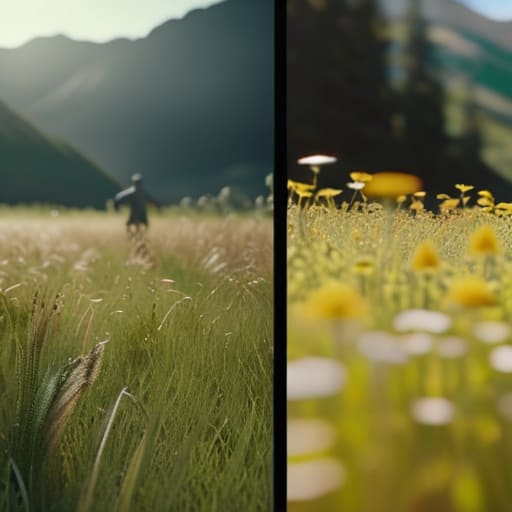
I spent three hours last Tuesday watching a kid on YouTube argue that a 120fps sensor was the “secret sauce” for cinematic storytelling. It’s the same old song: people treat frame rates like a magic button you press to buy emotion, when in reality, they’re just looking at a spec sheet to avoid making a creative decision. They don’t realize that understanding how frame rate affects feel isn’t about the number on the screen; it’s about how much motion blur you’re willing to let the viewer’s brain process before they realize they’re watching a lie. If you’re chasing high numbers just because the camera can do it, you aren’t making cinema—you’re just making expensive slow motion.
I’m not here to sell you on a new sensor or a software plugin that promises “smoothness.” What I want to do is strip away the technical jargon and talk about the intent behind the shutter. We’re going to look at why a jagged, stuttering 24fps can ground a scene in grit, while a high-frame-rate capture can accidentally strip the soul right out of a performance. I’ll tell you when to stick to the standard and when it actually makes sense to push the limits, based on decades of seeing what works when the lights are low and the budget is even lower.
The Illusion of Motion How Frame Rate Affects Feel
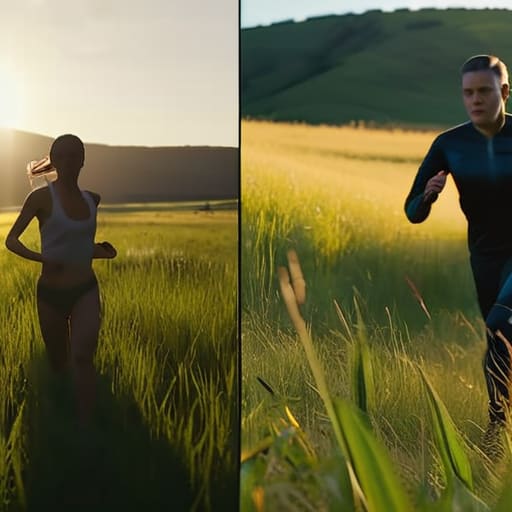
Most people think they want high frame rates because “smooth” sounds better, but they usually end up with something that looks like a cheap home movie or a hyper-real soap opera. When you crank that number up to 60 or even 120, you aren’t just getting more frames; you’re stripping away the visual shorthand our brains use to interpret movement. You lose that lovely, natural cinematic motion blur that bridges the gap between a series of still images and a living, breathing scene. Without that slight smear of motion, everything looks clinical, jarringly sharp, and—frankly—a bit hollow.
The real trick isn’t just picking a number on a menu; it’s understanding the shutter speed relationship that dictates how that motion is rendered. If you’re shooting at 24fps, you’re generally looking at a 1/48th shutter to keep things feeling organic. If you ignore that balance, you either get a jittery, stroboscopic mess or a soup of motion that makes the audience seasick. It’s about deciding how much “truth” you want to show the viewer. Sometimes, the most honest way to tell a story is to let the edges of the movement blur just enough to let the eye rest.
Chasing Cinematic Motion Blur Without Losing the Story

The mistake I see most often is people treating the shutter like a mathematical constant rather than a creative tool. They nail the frame rate but forget the shutter speed relationship that actually dictates how much motion blur we see. If you want that dreamlike, cinematic motion blur, you have to respect the 180-degree rule. If your shutter is too fast, every movement becomes a series of jagged, disconnected snapshots—a stroboscopic effect that makes even a simple walk across a room feel frantic and artificial. It’s technically sharp, sure, but it lacks the soul of how our eyes actually process a moving world.
On the flip side, you run into the “soap opera effect” when the motion is too fluid, often because the shutter is too wide or the frame rate is unnecessarily high for the story you’re telling. It makes everything look like a cheap news broadcast or a home movie. You aren’t just choosing a number on a dial; you are deciding how much temporal resolution the viewer’s brain needs to believe the scene is real. Sometimes, a little bit of blur is exactly what you need to bridge the gap between a recording and a memory.
The Shutter Speed Relationship Why Math Trumps Gear

You can buy the most expensive sensor on the market, but if you don’t understand the shutter speed relationship, you’re just capturing expensive-looking garbage. People get so caught up in the frame rate that they forget the shutter is what actually dictates how we perceive movement. If you want that natural, cinematic motion blur that our eyes expect, you have to respect the 180-degree rule. It’s not some mystical law; it’s just a way to ensure the amount of blur matches the speed of the action.
When you stray too far from that math—say, by using a shutter speed that’s way too fast for your frame rate—you end up with a jittery, hyper-real look. It’s that stroboscopic effect in film that makes an action sequence feel frantic or disconnected from reality. Conversely, if you get it wrong in the other direction, you lose the subject entirely in a smear of light. I’ve seen kids try to fix a choppy-looking sequence in post, but you can’t math your way out of a bad shutter choice. The physics of the light hitting the sensor happen in real time; you can’t ask a colorist to invent the motion you failed to capture on set.
Escaping the Soap Opera Effect Explained
You’ve seen it on high-end TVs or in those overly polished, hyper-real commercials—that uncanny, hyper-smooth movement that makes everything look like a cheap daytime drama. People call it the soap opera effect explained by high frame rates, but to me, it just looks like the soul has been sucked out of the image. When you push your capture rate up to 60fps or higher, you’re increasing the temporal resolution in video to a point where the human brain stops seeing “motion” and starts seeing reality with a clinical, unsettling precision. It strips away the dreamlike quality we’ve spent a century building in cinema.
The problem isn’t the sensor; it’s that we’ve become accustomed to the slight, beautiful imperfection of motion blur. When the perceived smoothness of video becomes too high, the eye stops interpreting the movement as a story and starts seeing it as a sequence of distinct, hyper-clear snapshots. If you want to avoid that clinical, “too real” look, you have to stop chasing perfection. It’s about finding that sweet spot where the movement feels fluid enough to follow, but textured enough to feel intentional.
Temporal Resolution and the Stroboscopic Effect in Film
When you push your frame rate higher, you aren’t just getting more pictures per second; you’re increasing the temporal resolution in video, and that comes with a catch. If you’re shooting at 60 or 120 fps and you don’t manage your shutter correctly, you end up with a kind of hyper-real, jittery clarity that feels wrong. It’s not that the image is “bad,” it’s that the brain is receiving too much information about the movement. Without enough motion blur to bridge the gap between those frames, the motion starts to break apart into discrete, jagged steps.
This is where you run into the stroboscopic effect in film. Instead of a smooth, flowing movement, you see a series of individual snapshots. It’s that unsettling, strobe-like quality you see when someone moves a hand quickly across a high-speed sensor without the proper shutter angle. It strips away the organic flow we expect from cinema and replaces it with a clinical, mechanical precision. If you want the image to feel like a memory rather than a surveillance feed, you have to learn how to let those frames bleed into one another.
Perceived Smoothness of Video vs the Truth of Frame Rate vs Refresh Rate
We need to stop conflating what the sensor captures with what the eye actually sees. People get caught up in the technicalities of frame rate vs refresh rate, arguing about hertz and scan lines as if they’re the same thing. They aren’t. The frame rate is what I’m baking into the digital file—the discrete slices of time I’ve chosen to record—while the refresh rate is just the way your monitor or phone screen struggles to keep up with that data. You can have a perfect 24fps capture, but if you’re viewing it on a display with a mismatched refresh cycle, you’re going to see judder that has nothing to do with my lighting or my blocking.
The real issue is the perceived smoothness of video. When people complain that something looks “too smooth” or “too digital,” they’re usually reacting to a lack of intentional motion blur, not a high refresh rate. If you’re shooting at high frame rates without a plan for how that motion will be displayed, you end up with a clinical, hyper-real look that strips the soul out of the performance. It’s not about the numbers on the spec sheet; it’s about understanding how the human brain interprets movement through the lens of what we’ve been conditioned to accept as “real.”
Five Ways to Stop Fighting Your Footage and Start Using It
- Stop treating 24fps like a holy commandment; it’s just a tool for a specific kind of dreamlike distance, and if you’re shooting a high-octane sports doc or a clinical security-style breakdown, forcing that frame rate will only make your work feel dishonest.
- Match your shutter to your intent, not just the math; if you want that jagged, frantic energy of a war zone, don’t be afraid to crank that shutter speed up and sacrifice the “natural” blur, because sometimes the truth of a moment is supposed to look broken.
- Decide on your slow motion before you even arrive on set, because if you shoot everything at 60fps just “in case,” you’re going to end up with a timeline full of footage that lacks the rhythmic weight needed to actually drive a narrative.
- Respect the light when you change your frame rate; remember that if you’re ramping up to 120fps for a beautiful slow-motion shot, you’re essentially asking your sensor to work much harder, so don’t complain about noise when you didn’t bring enough lamps.
- Don’t mistake high frame rates for “quality”—a crisp, high-speed shot of a garbage truck is still just a high-speed shot of a garbage truck, so focus on the movement and the blocking first, and let the frame rate serve the emotion, not the other way around.
The Bottom Line
Stop looking for a “cinematic” button on your camera; it’s about the relationship between your frame rate and your shutter angle, not the sensor you’re using.
If your footage looks like a cheap soap opera, you’ve likely prioritized high frame rates for smoothness when you should have been looking for the motion blur that makes a scene feel human.
Gear won’t fix a fundamental misunderstanding of how time is captured—spend more time thinking about how much movement you want the audience to feel and less time reading spec sheets.
The Ghost in the Machine
You can buy a sensor that captures more data than the human eye can even process, but if you haven’t decided whether you want your movement to feel like a dream or a news report, that extra resolution is just more expensive noise. Frame rate isn’t a spec; it’s the rhythm of the story you’re telling.
Gethin Moreau
The Long View
At the end of the day, frame rate isn’t a setting you toggle to achieve a “look”; it is a decision about how much truth you want to inject into the movement. We’ve talked about the math of shutter speeds, the distraction of the soap opera effect, and why that extra bit of temporal resolution can sometimes do more harm than good. If you try to fix a lack of soul in your footage by cranking up the frames per second or chasing a specific digital spec, you’re going to lose. The real work happens when you understand that motion is a tool for emotion, and that the way a subject moves through space tells the audience exactly how to feel before a single word of dialogue is even spoken.
Stop looking at the sensor readout for a moment and look at the light hitting the subject. If the movement feels disconnected, don’t go out and buy a high-speed camera; go back and look at your blocking and your shutter angle. The best images I’ve ever captured didn’t come from having the highest frame rate in the room, but from knowing exactly how much blur was required to make a moment feel heavy, or fleeting, or real. Put the spec sheet aside, trust your eyes, and remember that the camera is just a witness to the story you are trying to tell.
