
I spent three hours last Tuesday watching a kid on a YouTube tutorial explain how to plan a shoot by walking through a checklist of the latest $40,000 sensor upgrades and wireless follow-focus systems. It was exhausting. He made it sound like if you just buy enough glass and high-bitrate codecs, the story will somehow assemble itself in the edit. But I’ve stood in rain-soaked ditches with a single bounce board and a handheld camera, and I’ve sat in air-conditioned studios with more gear than sense, and I can tell you: the gear isn’t the plan. Most people think planning is about the equipment list, when it’s actually about understanding the geometry of your light and the physical movement of your actors.
I’m not here to sell you on a new workflow software or a subscription to a gear rental house. What I want to do is show you how to build a foundation that actually survives a production. We’re going to talk about coverage that makes sense for an editor, how to read a room before you even uncase a tripod, and why patience is your most valuable asset on set. I’ll give you the practical, unromantic truth about how to prepare so that when the sun finally hits that window, you aren’t scrambling—you’re ready.
The Geometry of Intent How to Plan a Shoot With Purpose
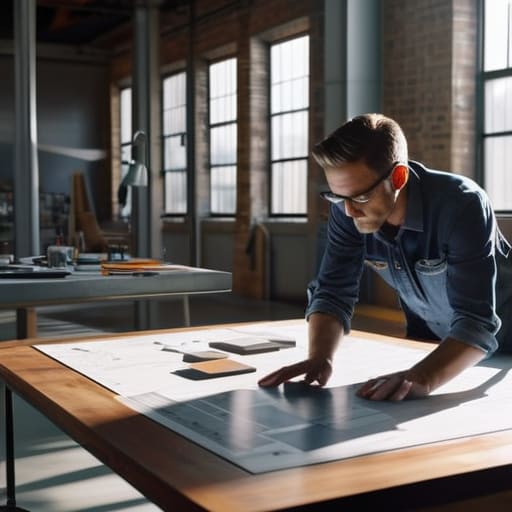
You don’t start with a camera. You start with the space. Before you even think about your equipment rental list, you need to understand the geometry of the room you’re standing in. I’ve spent more time staring at floor plans and measuring distances between a subject and a window than I have actually pressing the record button. If you don’t know where the light is coming from and how much room you have to move the talent, you aren’t planning; you’re just hoping. And hope is a terrible way to run a set.
Once you grasp the physics of the space, you move to the logic of the sequence. This is where your shot list organization actually matters. I don’t care if you have a list of fifty beautiful angles if they don’t connect in the edit. You need to plan for coverage that allows a story to breathe—wide shots to establish the world, mediums to find the rhythm, and close-ups to catch the truth. Build your shots around the movement of the characters, not the capabilities of your sensor. If the blocking doesn’t make sense, no amount of expensive glass will save the scene.
Beyond the Checklist a Pre Production Checklist for Real Coverage
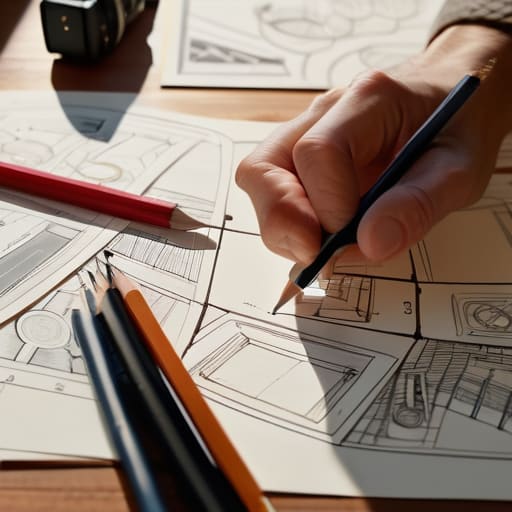
Most people approach a pre-production checklist like a grocery list—a series of items to check off so they can feel productive. They want to know if the batteries are charged or if the tripod is in the van. But a real list isn’t about stuff; it’s about connectivity. You need to look at your shot list organization and ask if the shots actually talk to one another. If you have a beautiful close-up of a character’s eyes but no medium shot to establish where they are sitting, you haven’t planned a scene; you’ve just planned a collection of pretty pictures that no editor can stitch together.
I’ve seen too many productions stall because they spent three weeks on the talent casting process but zero hours thinking about how the light will hit that talent’s face in a room with no windows. Your planning should bridge the gap between the script and the physical reality of the space. Don’t just list the lenses you want; map out the physical movement required to get them. If your plan requires a dolly move through a doorway that’s only twenty inches wide, no amount of gear will save you from a wasted afternoon.
Mastering Shot List Organization to Protect Your Edit
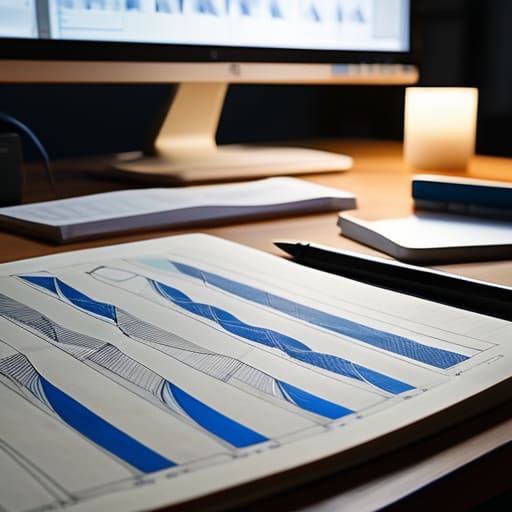
Most people treat a shot list like a grocery list—a flat sequence of things to grab and check off before they can go home. But if you’re writing for the edit, you need to stop thinking about individual shots and start thinking about sequences of action. I’ve sat in too many dark suites watching an editor struggle because a director thought they had “coverage” when all they really had was a collection of pretty pictures that didn’t actually connect. Proper shot list organization isn’t about the number of frames you capture; it’s about ensuring you have the visual connective tissue to bridge the gap between a character’s thought and their reaction.
When I’m building a list, I group by lighting setups and lens changes, not by chronological scene order. If you’re jumping back and forth between a wide shot and a tight close-up just because that’s how the script reads, you’re going to bleed time and money. Use your pre-production checklist to ensure you’ve accounted for the “safety” shots—the masters and the mediums that allow an editor to breathe. If you haven’t planned for the rhythm of the cut before you even touch the tripod, you aren’t planning a shoot; you’re just hoping for a miracle in post.
The Logistics of Chaos From Talent Casting to Call Sheets

You can have the most elegant shot list in the world, but it won’t mean a damn thing if your talent shows up two hours late or your grip forgets the C-stands. Logistics isn’t about spreadsheets; it’s about managing the friction between your vision and reality. When you’re navigating the talent casting process, don’t just look for a face that fits the frame; look for someone who can handle a twelve-hour day without losing their edge. A frustrated actor creates a heavy atmosphere that no amount of diffusion can soften.
Once you move into the actual movement of people and things, everything becomes a game of math. I’ve seen shoots fall apart because someone forgot to account for the time it takes to move a heavy dolly through a narrow hallway. This is where a solid production call sheet template becomes your best friend—not because it looks professional, but because it tells everyone exactly when they need to stop drinking coffee and start working. You aren’t just scheduling times; you are mapping out the energy of the day to ensure you aren’t fighting the clock when the light finally hits the window exactly where you need it.
Budgeting for Film Production Without Buying Your Way Out of Failure
I’ve seen enough productions stall out because someone spent eighty percent of the budget on a cinema camera package, only to realize they couldn’t afford a decent lighting kit or a grip to move it. Budgeting for film production isn’t about how much you can throw at a problem; it’s about deciding which problems are actually worth solving. If you’re staring at a spreadsheet, stop looking at the shiny stuff first. A high-end sensor won’t save a scene if you don’t have the funds to pay a decent gaffer or even just enough for a few extra rolls of diffusion.
Instead of building a massive equipment rental list based on what looks good in a brochure, build it based on the light you need. If the scene is a moody interior, you don’t need a $50,000 lens set; you need a reliable source and the time to shape it. Allocate your resources toward the elements that affect the texture of the image—people, light, and time. If you run out of money for a professional crew, you’ll end up spending twice as much in post-production trying to fix a mess that could have been avoided with a little bit of foresight and a much simpler setup.
The Essential Equipment Rental List for Light and Distance
When you finally sit down to build your equipment rental list, don’t start with the camera body. I’ve seen enough productions stall because they spent the entire budget on a sensor with massive dynamic range, only to realize they don’t have enough power to run a single meaningful key light. You need to look at your locations and ask: where is the light coming from, and how far do I need to push it? If you’re shooting in a cramped apartment, you don’t need a massive grip truck; you need small, controllable LED panels and a few flags to shape what you’ve got.
Distance is the other silent killer. If your shot list calls for a wide master and a tight profile, make sure you’ve actually budgeted for the glass that can bridge that gap, or the dollies and tripods that allow you to move without looking like an amateur. The goal isn’t to own the most expensive kit, but to ensure you aren’t staring at a beautiful subject with no way to actually illuminate them or move the camera to capture the nuance.
Five Ways to Stop Fighting Your Footage Before You Even Roll
- Scout the light, not just the floor plan. I don’t care how beautiful a location looks in a brochure; if the sun hits that window at 3:00 PM and turns your subject into a silhouette when you need them talking, the room is useless. Go there at the actual time of the shoot. Stand in the corners. See where the shadows fall. A good location is defined by the light it offers, not the square footage it provides.
- Plan for the cut, not the shot. Beginners love to walk into a room and say, “Let’s get a beautiful wide.” That’s fine, but if you don’t have the medium shots and the close-ups to bridge the gap between that wide and the next scene, you’re just making expensive wallpaper. Every shot you plan should answer the question: “How does this get me to the next moment in the edit?”
- Respect the physics of your lens. You can buy the sharpest glass on the market, but it won’t fix a bad angle. Before you decide on a focal length, decide on the relationship between the camera and the subject. Do you need to be close enough to see the sweat on their brow, or are you trying to show how small they look in a massive room? Distance creates emotion; lenses just capture it.
- Build a buffer for the “unforeseen” (which is actually just human nature). If you think a scene will take two hours, schedule three. Someone will forget their lines, a light will flicker, or the talent will need ten minutes to find their headspace. If your schedule is a tight machine of perfection, the first minor hiccup will cause the whole thing to grind to a halt, and that’s when you start making desperate, bad decisions.
- Stop looking at the sensor and start looking at the blocking. I see people spending weeks debating 8K versus 6K, but they haven’t even thought about where the actor is going to walk. If your talent is moving through a space, your camera needs a path that doesn’t feel like it’s chasing them. Plan the movement of the bodies first; the movement of the camera is just a reaction to that.
The Bare Essentials to Carry With You
Stop looking at your gear list as a way to fix a bad concept; if you haven’t figured out where the light is coming from and how the actors are moving through the space, a more expensive sensor won’t save you.
Plan your coverage based on the edit, not the ego; shoot for the cuts you need to tell the story, rather than just collecting “pretty” shots that won’t actually fit together in the timeline.
Respect the logistics of the real world, because a perfectly planned lighting setup means nothing if your talent is exhausted or your call sheet didn’t account for the time it takes to actually move a heavy grip truck.
The Myth of the Gear List
You can spend six months researching the perfect sensor, but if you haven’t spent ten minutes figuring out where the window is and how the shadows fall across the subject’s eyes, you aren’t planning a shoot—you’re just shopping.
Gethin Moreau
The Long View
At the end of the day, planning isn’t about filling out a spreadsheet or checking off every single piece of glass in your kit. It’s about anticipating the friction. We’ve talked about everything from the geometry of your lighting setups to the logistical headache of a call sheet, and the common thread is the same: you are building a safety net. You plan your coverage so you don’t starve in the edit, you budget so a broken cable doesn’t end your career, and you organize your shot list so you aren’t reinventing the wheel when the sun starts to dip. If you do the work upfront, you aren’t just managing a production; you are buying yourself the freedom to actually see what is happening through the viewfinder instead of just reacting to the chaos.
When you finally get on set and the monitor is glowing, remember that the plan is a living thing, not a religious text. Things will go wrong. The light will shift, the talent will miss a mark, and the gear will inevitably behave like it has a mind of its own. But when you’ve done the prep, you won’t panic. You’ll have the foundation to pivot without losing the soul of the scene. Don’t let the pursuit of the perfect sensor or the most expensive grip truck distract you from the fundamental truth: the best images come from knowing exactly where you are standing and having the patience to wait for the moment it all clicks. Now, get out there and shoot something worth watching.
