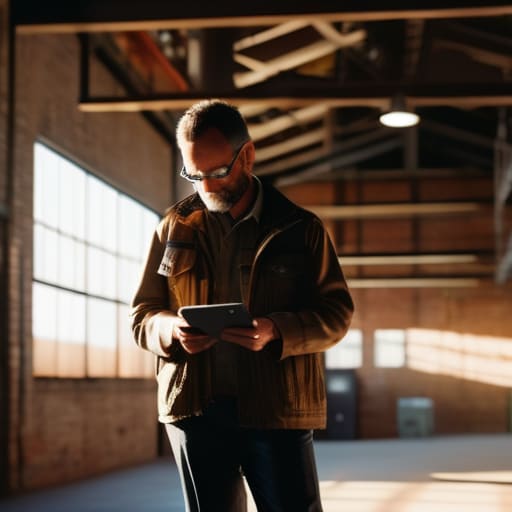
I once spent six hours in a beautiful, high-ceilinged loft in East London, convinced it was the perfect setting for a character study, only to realize on day one that the sun hit that north-facing window with the subtlety of a sledgehammer. We spent half the budget on heavy silk and massive flags just to stop the light from blowing out the actor’s eyes, all because I hadn’t actually bothered to learn how to scout a location with an eye for the sun’s path. Most people walk into a room and see the decor or the “vibe,” but if you aren’t looking at the way the shadows fall at 3:00 PM, you aren’t scouting; you’re just sightseeing.
I’m not here to give you a checklist of aesthetic checkboxes or tell you which apps to download to make your mood boards look pretty. I want to talk about the physics of the space—the power outlets, the acoustic nightmares, and the way a doorway dictates your entire lens choice. This is about practical, unromantic reality: how to find the light, how to plan your coverage so the edit doesn’t fall apart, and how to spot the problems that no amount of expensive gear can fix once the crew is on site.
Beyond the Pretty View How to Scout a Location for Reality
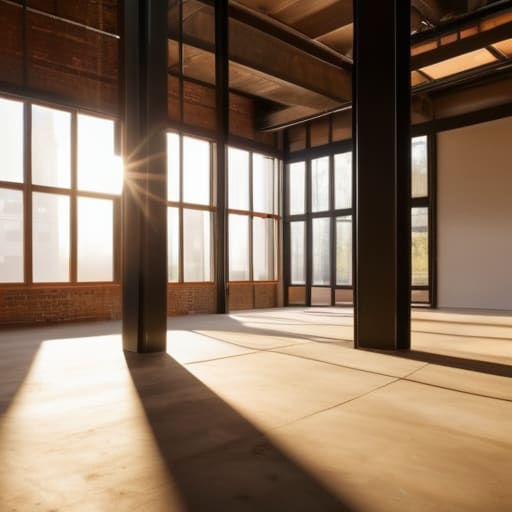
When you walk into a space, your first instinct is probably to look at the decor or the “vibe.” That’s fine for a lifestyle influencer, but if you’re actually trying to build a scene, you need to look past the surface. I don’t care how beautiful the molding is if a massive, unshielded fluorescent fixture is humming right above the subject’s head. During a proper film production site survey, I’m looking for the things that will fight me later: the direction of the windows, the height of the ceilings, and whether that “natural” light is actually going to vanish ten minutes after we start rolling.
You have to stop thinking about the room as a static picture and start thinking about it as a series of moving parts. This is where scouting for cinematography becomes a game of physics. I’m checking for floor space—not for the actors, but for the tripod legs and the light stands. I’m looking for the power outlets and wondering if we’ll need a generator because the circuit in this old house will trip the moment we plug in a single tungsten lamp. If you don’t account for the physical footprint of your gear now, you’ll spend your entire shoot apologizing to the client instead of capturing the shot.
The Light and the Distance Scouting for Cinematography
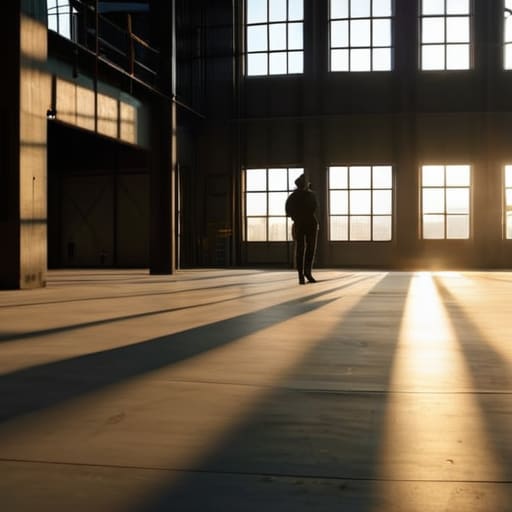
When I walk into a room for a film production site survey, I’m not looking at the paint colors or the furniture. I’m looking at the windows and the ceiling height. I want to know where the sun is going to be at 3:00 PM on a Tuesday in November, and whether that single overhead light is going to be a flickering nightmare or a usable source. If you aren’t scouting for cinematography with an eye toward how light interacts with the physical boundaries of the space, you’re just picking a pretty backdrop. You need to know if you have enough “throw” to get a soft light into a subject’s eyes, or if the walls are so close you’ll be fighting the architecture just to get a medium shot.
Then there’s the matter of physical space—the distance between the lens and the actor, and the distance between the actor and the wall. A room can look massive in a wide shot but feel suffocating once you start trying to move a dolly or a tripod through it. Part of managing location logistics is realizing that if you can’t move the camera, you’ve already lost the scene. You need enough depth to create a sense of dimension, otherwise, you’re just filming a flat image that no amount of expensive glass can save.
A Practical Film Production Site Survey for the Working Crew
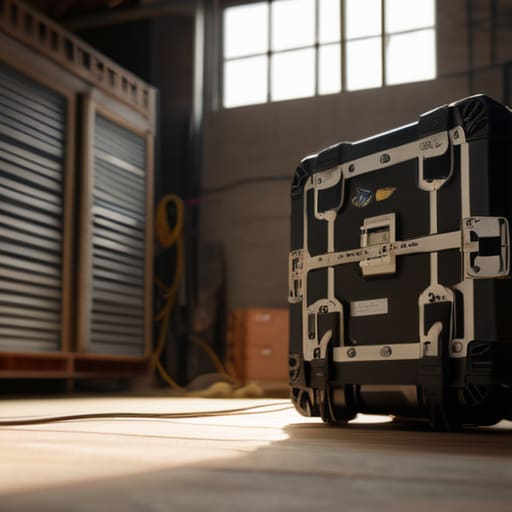
Once you’ve figured out where the light is coming from, you have to stop thinking like an artist and start thinking like a logistics manager. A real film production site survey isn’t just about whether the room looks good on a monitor; it’s about whether your electricity can handle a single 2K Fresnel without tripping a breaker, or if there is a single outlet within fifty feet of where the talent is standing. I’ve sat on sets where we spent three hours fighting a generator because nobody checked if the floor was level enough for a tripod or if the ceiling was too low for a standard C-stand.
Don’t just wander around with a camera; bring a notebook and a literal location scouting checklist that covers the unglamorous stuff: power, noise, and access. Can a grip truck actually park near the entrance, or are you going to be hauling heavy gear up three flights of stairs in the rain? I need to know where the crew will eat, where the equipment will sit dry, and if that “quiet” neighbor has a lawnmower that starts every afternoon at two. If you don’t map out these technical requirements for film sets now, you’ll be paying for them in overtime later.
The Essential Location Scouting Checklist for Every Frame
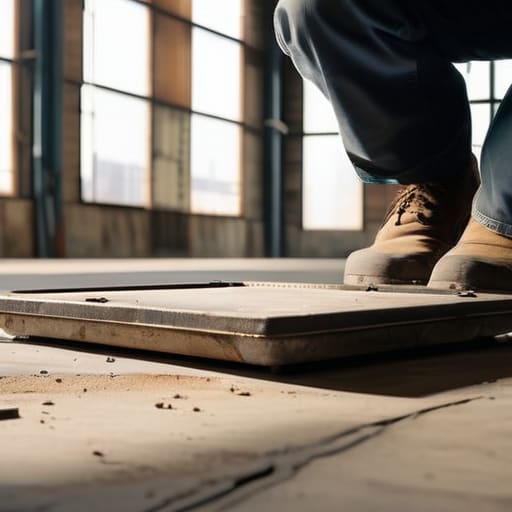
If you walk onto a set without a plan, you aren’t scouting; you’re just sightseeing. A proper location scouting checklist shouldn’t be a list of “cool things to see,” but a way to interrogate the space. I start with the power: where is the nearest circuit, and can it actually handle a lighting package without tripping a breaker every ten minutes? Then I look at the floor. Is it level? Can a tripod sit there without wobbling, or am I going to spend three hours fighting a sandbag situation that should have been solved on day one?
Next, I look at the noise. You can find the most beautiful window in the city, but if it’s right next to a subway line or a construction site, that light is useless to me because the audio is dead. You have to weigh the visual aesthetics in location scouting against the physical reality of the soundscape. It’s about more than just the frame; it’s about the logistics of staying in that frame. If you can’t find a place to hide the gear or a way to manage the crew’s movement, the most beautiful shot in the world will cost you twice as much in time.
Visual Aesthetics in Location Scouting and the Colorists Limit
When you’re looking at a space, don’t get seduced by the “vibe” alone. A room can look moody and atmospheric in a still photo, but if that mood is coming from a single, harsh light source that creates a massive, unfixable shadow across your subject’s eyes, you’ve bought yourself a nightmare. Visual aesthetics in location scouting aren’t just about whether a room looks “cinematic”; they are about whether the existing color palette and texture play well with your lighting plan. If you’re shooting in a room with aggressive orange tungsten-style lighting or sickly green fluorescent tubes, you need to know that immediately.
This is where people make their most expensive mistakes: assuming a colorist is a magician. I’ve seen enough footage to know that while a good colorist can balance a scene, they cannot invent data that wasn’t captured. If you shoot in a location with muddy, flat lighting that kills all your skin tone separation, no amount of post-production wizardry will make it look high-end. You have to respect the technical requirements for film sets by ensuring the environment provides enough dynamic range to actually work with. Don’t rely on a software slider to fix a bad choice made on the ground.
Managing Location Logistics and the Technical Requirements for Film Sets
Once you’ve figured out where the light is coming from and how the scene might actually cut together, you have to face the messy reality of actually putting a crew in that space. Managing location logistics isn’t about the grand vision; it’s about the plumbing, the power, and the proximity of the nearest quiet street. I’ve seen beautiful setups fall apart because someone forgot to check if the circuit breaker could handle a single heavy-duty HMI, or worse, realized too late that the “secluded” garden was right next to a construction site. You need to walk the perimeter and look for the friction points before they become expensive delays on your call sheet.
When you’re conducting your film production site survey, don’t just look at the floor plan—look at the access. Can a grip truck actually pull up to the loading zone, or are you going to be hand-carrying every C-stand through a narrow hallway? You also need to account for the technical requirements for film sets that most people overlook, like where the honeywagon sits or where the DIT can find a stable connection. If you don’t solve these logistical headaches during the scouting phase, you’ll spend your entire shoot budget just trying to keep the production from tripping over itself.
Five Ways to Not Get Screwed on Location
- Stop looking at the walls and start looking at the windows. I don’t care how beautiful the molding is if that single north-facing window is the only source of light you have and it’s going to leave your subject looking like they’re in a witness protection program. You need to know exactly where the light is coming from at 2:00 PM, not just what the room looks like when you walk in with a flashlight.
- Walk the path of the dolly before you even think about the shot. I’ve seen too many productions stall out because the DP found a “perfect” angle that required a three-foot track, only to realize the floor is uneven, there’s a radiator in the way, or the client’s expensive rug can’t be moved. If you can’t move the camera through the space without a degree in structural engineering, the shot doesn’t exist.
- Listen to the room’s secrets. A location might look like a quiet, moody study, but if there’s a heavy-duty HVAC unit humming behind a thin drywall or a bus stop right outside the window, you’ve just turned your expensive shoot into a battle against noise floor. If you can’t kill the sound, you’re just making very expensive wallpaper.
- Check your power, but don’t trust it. Don’t just look for an outlet; look at what that outlet is actually connected to. If you’re plugging into a circuit that’s also running a commercial refrigerator or a heavy-duty AC unit, you’re going to see every flicker and dip in your footage. Know if you’re going to need a generator or if you’re just gambling with the local grid.
- Think about the exit strategy for your gear. You might find the perfect, secluded cabin, but if the only way in is a narrow staircase that won’t fit a C-stand or a lighting kit, you’re going to spend half your day and twice your budget just hauling equipment piece by piece. A location is only as good as your ability to actually get the tools into it.
The Bottom Line
Stop falling in love with the architecture and start falling in love with the windows; a beautiful room is useless if the light is flat or if you can’t control the shadows.
Scout for the edit, not just the shot; if you can’t find the space to move the camera or the distance to get a clean master, you aren’t scouting, you’re just sightseeing.
Respect the limits of your gear and your post-production; no amount of expensive sensor tech or color grading can fix a location that fights your vision at every turn.
## The Myth of the Perfect Set
“Stop walking into a room and asking if it looks good; ask if the light is going to behave when the sun moves ten degrees, if you have enough floor space to actually move the camera, and if the sound is going to be a nightmare you can’t fix in the edit. A beautiful room is useless if you can’t shoot it.”
Gethin Moreau
The Final Frame
At the end of the day, scouting isn’t about finding a place that looks good in a single photograph; it’s about anticipating the friction between your vision and the physical world. You’ve looked at the light, you’ve measured the distance for your tracks, and you’ve checked if the power grid can handle your lighting package without tripping a breaker. If you’ve done the work, you aren’t just walking into a location—you’re walking into a pre-solved problem. You’ve accounted for the colorist’s limits and the logistics of the crew, which means when the sun starts moving and the pressure hits, you won’t be scrambling to fix a fundamental mistake. You’ll be busy making the actual art.
I know the temptation is to wait until you’re on set to “find the magic,” but magic is usually just the result of meticulous preparation meeting a moment of luck. Don’t let a shiny new sensor convince you that you can fix a bad space in post. A great location is a partner in your storytelling, not an obstacle you have to fight. So, get out there, walk the floor, and look at the shadows before you even think about touching your camera. If you respect the space and the light before the first roll, the footage will take care of itself.
