I spent three hours last Tuesday watching a kid in a coffee shop try to figure out why his “cinematic” shot looked like a cheap doorbell camera. He was staring at a spec sheet, convinced that if he just bought a more expensive prime lens, the image would suddenly start telling a story. He didn’t realize that he was fighting a losing battle against geometry. Most people treat gear like a magic wand, but they completely ignore how focal length changes perception in a practical sense. You can have a sensor that costs more than my first car, but if you don’t understand how a 35mm versus an 85mm pulls the world toward or away from your subject, you’re just recording expensive mistakes.
I’m not here to sell you a lens kit or walk you through a spreadsheet of MTF charts. My goal is to talk about the actual physics of the frame—how a long lens can turn a crowded room into a claustrophobic nightmare, or how a wide angle can make a subject feel isolated and small. I’ll show you where to place the camera and how to use these tools to control the emotional temperature of a scene, rather than just letting the glass dictate the mood.
Stop Chasing Resolution and Start Mastering How Focal Length Changes Percep
I see it every week on forums: someone dropping five grand on a new body because they think the extra pixels will fix a flat, lifeless image. They’re chasing resolution when they should be chasing perspective. You can have an 8K sensor, but if you’re standing in the wrong spot with the wrong glass, you’re just capturing a high-resolution mistake. A sensor doesn’t tell a story; the way you manipulate the space between your subject and the background does.
If you want to actually move an audience, you have to understand the lens compression effect photography provides. When I’m shooting a profile, I’m not just looking at the sharpness; I’m looking at how a telephoto lens pulls the world in tight, making the background feel like it’s pressing against the subject’s shoulders. Conversely, if you lean into a wide-angle lens distortion, you aren’t just “getting more in the frame”—you are physically stretching the environment, making a small room feel cavernous or a face feel uncomfortably close. It’s about visual scale and distance perception, not how many millions of pixels you can cram into a file.
The Wide Angle Lens Distortion Trap Why Space Lies to You
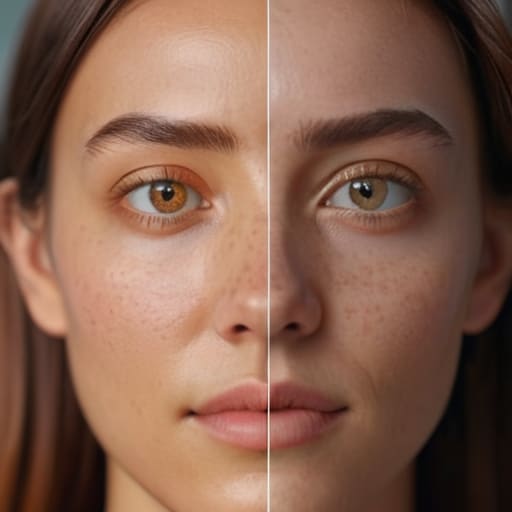
Everyone thinks a wide lens is the “honest” way to shoot because it captures everything, but that’s the first lie you learn. When you step back with a wide angle, you aren’t just getting more of the room; you’re inviting wide angle lens distortion to play tricks on your subject’s anatomy. If you get too close to someone’s face to capture a “gritty” handheld look, you aren’t being cinematic—you’re just making their nose look twice as large as it actually is. It stretches the edges and pulls the center toward the glass, turning a professional interview into something that looks like a cheap webcam feed.
The real danger, though, is how it messes with your sense of scale. A wide lens can make a tiny, cramped apartment look like a cathedral, but it does so by exaggerating the distance between the foreground and the background. You lose that sense of intimacy because the visual scale and distance perception are all skewed. You might think you’re showing the environment, but you’re actually just creating a hollow, disconnected space where the subject feels like they’re floating in a vacuum rather than sitting in a chair.
Telephoto Lens Perspective and the Illusion of Crowded Spaces
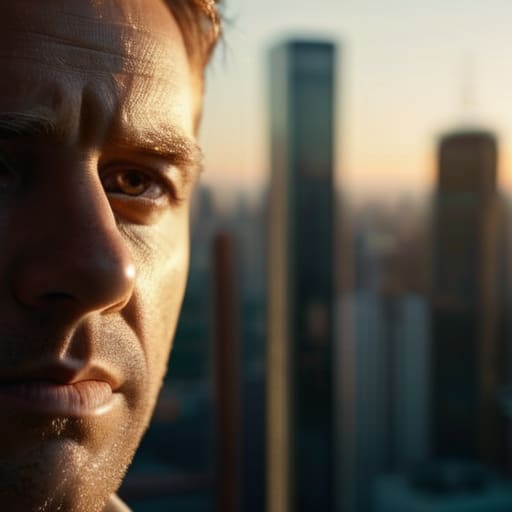
If the wide lens is a liar that stretches everything out, the telephoto is a liar that pulls everything in. People often talk about the lens compression effect photography as if it’s some magical trick, but it’s really just a matter of physics and where you stand. When you back up with a long lens to keep your subject in frame, you aren’t just changing the field of view; you are flattening the world. The background, which might have been a mile away, suddenly feels like it’s pressing right up against the back of your actor’s head.
This is where you can manipulate the visual scale and distance perception to tell a story without saying a word. In a crowded street, a telephoto lens can make a bustling city feel suffocatingly dense, packing cars, pedestrians, and buildings into a single, claustrophobic plane. Conversely, if you’re shooting a landscape, that same compression can make distant mountains look like they’re looming over the valley. It’s a tool for creating intimacy or tension, but don’t mistake it for a way to fix a poorly blocked scene. Use it to tighten the mood, not to hide the fact that you ran out of room to move the tripod.
Decoding Lens Compression Effect Photography Without the Expensive Glass
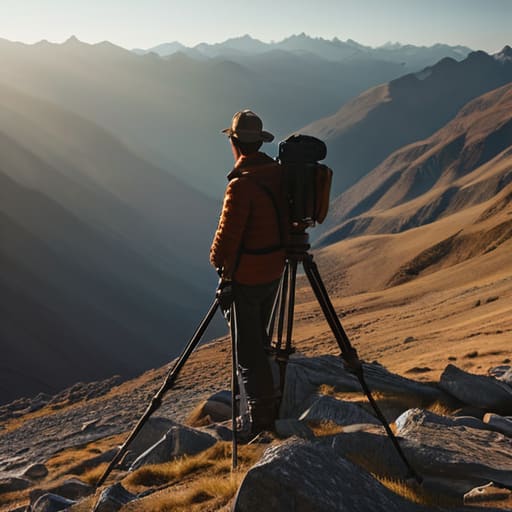
You don’t need a $10,000 Leica prime to understand how distance and glass interact. I’ve seen kids walk onto sets with the latest cinema rigs, only to realize they have no idea how to manipulate the space between their subject and the background. Most of them think they need a massive telephoto lens to get that creamy, compressed look, but they forget that distance is the real engine behind the effect. If you want to tighten the relationship between a subject and a mountain behind them, you don’t just zoom in; you move the tripod back and let the physics do the heavy lifting.
It’s a common mistake to blame the gear when the image feels “flat” or “disconnected.” Often, it’s simply a failure to respect the relationship between depth of field and focal length. You can achieve a decent sense of scale with a kit lens if you understand where to stand. If you’re too close, you’re just fighting wide angle lens distortion; if you’re too far, you lose the intimacy. Stop looking at the spec sheet and start looking at the physical gap between your foreground and your background. That’s where the story lives.
Visual Scale and Distance Perception Managing the Field of View Impact
It’s easy to get caught up in what the lens is doing to the edges of the frame, but the real trick is understanding how it dictates the relationship between your subject and the world around them. When you’re working with a wide field of view, you’re essentially telling the audience that the environment is just as important as the person in front of it. But if you don’t manage that field of view impact on subject, you end up with a scene that feels hollow or, worse, accidental. You aren’t just capturing a person; you’re capturing their place in a specific volume of air.
On the flip side, when you lean into a tighter lens, you aren’t just zooming in; you are stripping away the context to force an emotional intimacy. This is where people often miscalculate visual scale and distance perception. They think they’re just getting a close-up, but they’re actually using the glass to isolate a character from their surroundings entirely. If you want to show a character feeling small in a massive cathedral, you use the wide to show the scale. If you want to show them feeling trapped by their own thoughts, you tighten up. It’s about intent, not just magnification.
Depth of Field and Focal Length Choosing Intent Over Gear
I’ve sat through enough client meetings to know the drill: someone wants that “cinematic look,” which is usually code for “I want everything behind my subject to be a creamy blur.” They think they need a $3,000 prime lens to get there, but they’re missing the point. While it’s true that depth of field and focal length are mathematically linked, the math isn’t the story—the intent is. If you’re standing five feet from a subject with a 200mm lens, you’ll get that shallow slice of focus, but you’ll also be so far away you might as well be filming from the next county.
The real mistake is treating focal length as a way to “buy” blur. A wide lens can still deliver a shallow depth of field if you get physically close enough to the subject, though you’ll have to contend with some wide angle lens distortion if you’re looking for a portrait. My advice? Stop looking at the f-stop for a second and look at where you’re standing. Decide if you want the viewer to feel the intimacy of a close-up or the isolation of a long lens, and let the glass follow the emotion, not the other way around.
Five Ways to Stop Fighting Your Lens and Start Using It
- Stop using wide lenses just because you can. If you’re standing two feet from a subject with a 24mm, you aren’t being “intimate,” you’re just distorting their nose and making the background look like it’s miles away. If you want to feel close to someone, move the tripod closer and use a longer lens.
- Use compression to hide a messy set. If you’ve got a production design that looks like a thrift store exploded, don’t shoot wide and show the clutter. Back up, throw on a telephoto, and let the lens squash that background into a textured, manageable layer behind your subject.
- Think about the “eye” of the character. If you want the audience to feel the character’s isolation, use a long lens to blow out the background and strip away their environment. If you want them to feel overwhelmed by their surroundings, go wide and let the architecture swallow them up.
- Respect the relationship between distance and depth. People think a shallow depth of field is a magic button for “cinematic” looks, but if you’re using a wide lens at a distance, you’ll never get that separation. If the story requires a soft background, you have to commit to the focal length that allows it.
- Plan your coverage for the edit, not the shot. Don’t just grab a wide master and then a tight close-up. Think about how the change in focal length will affect the viewer’s sense of space when you cut between them. A jump from a 16mm wide to a 200mm tight can be jarring if you haven’t thought about the psychological shift in scale.
The Bottom Line
Stop looking at the spec sheet and start looking at the space; a lens doesn’t just magnify an image, it dictates how the viewer feels about the distance between the subject and the world around them.
Gear won’t fix a lack of intent, so decide whether you want to lie to the audience with wide-angle distortion or squeeze them with telephoto compression before you even touch the zoom ring.
Mastery comes from understanding that focal length is a tool for controlling perspective and scale, not just a way to get closer to the action or blur out a messy background.
## The Geometry of Feeling
“A lens isn’t just a way to frame a subject; it’s a way to manipulate the space between them. You can use a wide angle to make a room feel cavernous and lonely, or a long lens to squeeze a background right up against a character’s shoulder until the air feels thin. If you think you’re just choosing a focal length to get a certain ‘look,’ you’ve already missed the point—you’re actually choosing how the audience feels about the distance between what they see and what they can touch.”
Gethin Moreau
The View Through the Glass
At the end of the day, you have to stop treating focal length like a mathematical constant and start treating it like a psychological tool. We’ve covered how wide glass can stretch a room until it feels hollow and how a long lens can crush a landscape into a claustrophobic mess of overlapping planes. You now know that depth of field isn’t just about how blurry your background is, but about how much spatial truth you are willing to tell the audience. Whether you are using a wide lens to isolate a character in a vast, empty environment or a telephoto to make a crowd feel suffocatingly tight, remember that the lens dictates the emotion long before the actor speaks a single line.
My advice? Stop looking at the spec sheets and start looking at the light and the distance between your subject and the wall behind them. You can buy the most expensive prime set on the market, but if you don’t understand how a change in perspective alters the viewer’s sense of reality, you’re just recording high-resolution nonsense. The best camera in the world won’t fix a fundamental misunderstanding of geometry. Get out there, move your tripod, and experiment with the distance. You’ll find that the most powerful tool in your kit isn’t the glass itself, but your ability to decide exactly how much of the world you want to let in.
