I remember standing on a street corner in South London, the sun finally hitting the brickwork exactly where I needed it, only to have a local council officer walk into the frame and shut us down in thirty seconds flat. We had the best lenses money could buy and a lighting setup that would make a commercial director weep, but we didn’t have a single scrap of paper to prove we were allowed to be there. People spend months obsessing over sensor dynamic range or whether to rent a prime set, but they treat a complete guide to filming permissions like an afterthought—until they’re staring at a black screen because they got kicked off a sidewalk.
I’m not here to give you a lecture on legal jargon or a checklist of things you can just Google. My goal is to give you the unvarnished reality of how to actually secure your locations so you can focus on the light and the blocking. I’ll walk you through what you actually need to sign, how to talk to people who don’t care about your “artistic vision,” and how to avoid the kind of mistakes that kill a production before the first roll is even finished.
Understanding Complete Guide to Filming Permissions
Look, I’ve seen enough shoots get shut down by a security guard with a clipboard to know that “winging it” is a recipe for disaster. You can have the most beautifully lit scene ever captured, but if you don’t understand the location scouting legal requirements before you even arrive, that footage is essentially a liability. It isn’t just about whether you’re allowed to stand there; it’s about the nuance of where the public’s right to exist ends and your right to capture an image begins.
The reality is that the legal landscape shifts the moment you step off a sidewalk. If you’re moving onto a sidewalk to get a specific angle, you’re likely looking at public space cinematography permits, which are a different beast entirely from a simple handshake with a shop owner. Even if you’re just filming in a backyard, you need to be aware of filming on private property laws to ensure you aren’t inadvertently infringing on someone’s expectation of privacy. It’s tedious, I know. But I’d much rather spend an afternoon navigating a permit application than an afternoon explaining to a lawyer why I thought a “look” was more important than a signed contract.
Key Things to Know
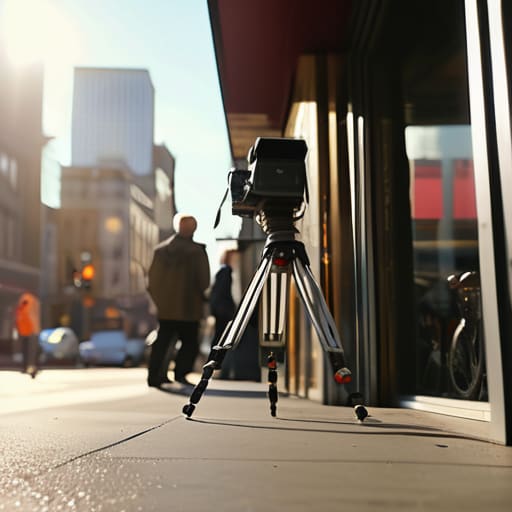
First, let’s talk about the distinction between a sidewalk and a storefront. Most people assume that if they’re standing on a public street, they’re golden, but public space cinematography permits are rarely as simple as just showing up with a tripod. If you start blocking foot traffic or setting up a rig that looks like a professional production, the local authorities will notice, and they won’t be happy about it. You need to know exactly where the city’s jurisdiction ends and a business’s liability begins.
Then there’s the matter of the people in your frame. I’ve seen shoots grind to a halt because a producer forgot the basics of model release forms for video. It doesn’t matter if the lighting was perfect or if you captured a once-in-a-lifetime moment; if you don’t have written consent from the people you’re featuring, that footage is essentially radioactive for any serious distribution. You can’t just rely on a nod and a smile. If you’re filming on private property, you need a signed agreement that covers you, the owner, and the specific usage of the images. Don’t let a lack of paperwork turn your hard-earned coverage into a legal headache.
Practical Tips and Steps

Look, you can have the most expensive Arri setup in the world, but it’s useless if a security guard shuts you down ten minutes into your first setup. When you’re out on location scouting, don’t just look at the light or the way the shadows fall; look at who actually owns the ground you’re standing on. If you’re hitting up a cafe or a backyard, you aren’t just asking for a favor; you’re navigating filming on private property laws. Get it in writing. A handshake feels good in the moment, but a signed piece of paper is what keeps you from getting sued when the footage actually hits a screen.
If you’re moving into the streets, the game changes. You’ll need to dive into the local filming permit application process well before you even think about loading the van. Most cities have a specific window for this, and if you miss it, you’re just a person with a camera causing a nuisance. Once you’re cleared to shoot, don’t forget the people in the frame. If someone is recognizable and central to your shot, get a model release form signed. It’s a boring, tedious bit of paperwork, but it’s the only thing that keeps your edit from becoming a legal nightmare later.
Common Mistakes to Avoid
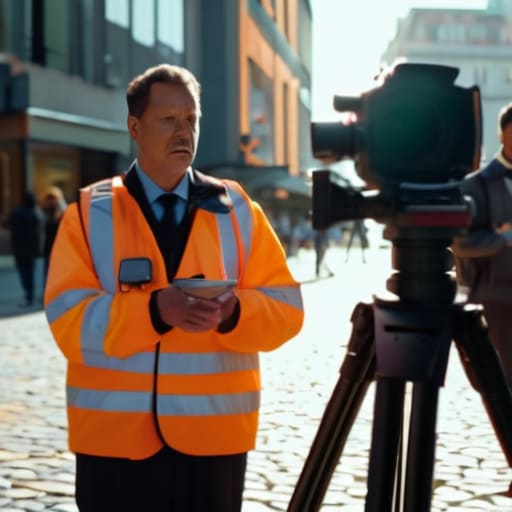
The biggest mistake I see—and it’s a costly one—is assuming that “looking” like you belong is the same as having the right to be there. People roll up to a park or a plaza with a tripod and a small crew, thinking they’re flying under the radar. They aren’t. If you’re doing more than just snapping a few stills for your Instagram, you’re likely infringing on public space cinematography permits. The moment a local officer or a site manager decides you’re a professional production, they won’t just ask you to stop; they’ll shut you down. And if you’ve already spent the morning setting up your lighting, that’s a lot of wasted daylight and a lot of bruised egos.
Another trap is the “handshake deal” on private land. I’ve seen productions get halfway through a setup only to have a property owner show up, furious because they didn’t realize a commercial crew was using their driveway. You need to actually understand filming on private property laws and get something in writing. A verbal “sure, go ahead” from a gardener doesn’t hold up when the legal department comes knocking. Don’t let a lack of paperwork turn a beautiful shot into a legal headache.
Final Thoughts
Look, I know nobody wakes up excited to spend their Tuesday afternoon reading about bureaucracy. You want to talk about focal lengths, or how to shape a rim light with a bounce board, not the minutiae of a filming permit application process. But here is the reality: the most beautiful shot in the world doesn’t mean a damn thing if you’re staring at a cease-and-desist order or a fine from the city.
At the end of the day, filmmaking is a game of logistics disguised as art. Whether you are navigating the complexities of filming on private property laws or just trying to make sure your talent is actually okay with being on screen via proper model release forms for video, the goal is the same: protection. You protect your footage, you protect your crew, and you protect your sanity.
Don’t let the paperwork become the reason you stop shooting. Treat the legal side like you treat your lighting—it’s just another part of the setup. Get it done, get it right, and then get back to the camera. That’s where the actual work happens.
Five Ways to Keep the Law Off Your Set
- Treat every private property owner like a potential collaborator, not an obstacle; if you walk in acting like you own the place just because you have a tripod, they’ll find a reason to call the police before you’ve even set your first light.
- Get it in writing, even if it’s just a signed letter from a guy in a coffee shop, because “he said it was fine” is a sentence that will haunt you the moment a producer or a lawyer looks at your footage.
- Factor the “permission buffer” into your schedule, because if you’re relying on a narrow window of time granted by a landlord, one broken light or a late actor will turn your legal agreement into a breach of contract.
- Don’t mistake a handshake for a permit when you’re shooting in public spaces; the city doesn’t care that you’re a small indie crew, and they certainly won’t care if you’re halfway through a beautiful wide shot when the meter maid shows up.
- Always have a “Plan B” location tucked in your back pocket that doesn’t require a mountain of paperwork, because nothing kills the momentum of a shoot faster than having to pack up the entire grip truck because a location owner changed their mind mid-scene.
The Bottom Line
Don’t let a lack of paperwork ruin a perfectly good setup; no amount of beautiful lighting can fix a shoot that gets shut down halfway through because you didn’t secure the space.
Treat permissions as part of your pre-production prep, just like checking your battery levels or scouting your light—it’s not an afterthought, it’s a requirement.
Understand that “asking for forgiveness” rarely works when you’re dealing with authorities or property owners; get the permission in writing before you even take the lens cap off.
The Cost of Cutting Corners
You can spend six months obsessing over the dynamic range of a new sensor, but all that technical perfection means nothing if you’re forced to pack up mid-scene because you didn’t bother to ask the property owner for permission. In this business, the most important piece of kit isn’t in your Pelican case; it’s the signed piece of paper that tells you you’re allowed to stay.
Gethin Moreau
The Last Word Before the Roll
Look, at the end of the day, navigating permissions is just another part of the pre-production grind, right up there with checking your battery levels or mapping out your lighting diagrams. You’ve learned that whether it’s a formal permit from the city, a signed release from a bystander, or just a polite conversation with a shop owner, the goal is the same: removing friction. If you do the legwork now—securing your locations, getting those signatures in order, and respecting the boundaries of the people in your frame—you won’t be looking over your shoulder when the sun starts to dip and you’re trying to catch that last bit of golden hour. It’s about protecting your footage and, more importantly, protecting your crew from unnecessary headaches.
I know it feels like a lot of bureaucracy when all you want to do is grab the camera and capture something real. But there is a certain peace of mind that comes with knowing your work is legally sound and your presence is respected. Don’t let the paperwork sour your creative spirit; instead, treat it as the foundation that allows you to actually focus on the image. Once the permits are signed and the releases are tucked in your kit, you can stop worrying about the “what ifs” and start focusing on the light, the blocking, and the story. Get the business out of the way so the art can actually happen.
