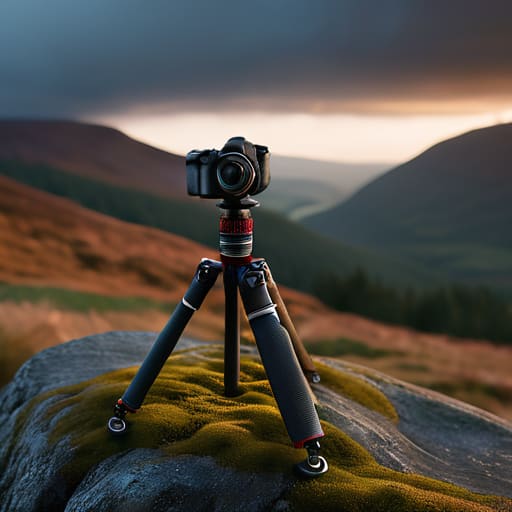
I remember a shoot in the Highlands ten years ago, standing in a freezing downpour with a rig that cost more than my first car, only to watch the entire setup shudder every time the wind kicked up. I had the best fluid head money could buy, but I hadn’t accounted for the geometry of the wind or the sheer weight of the glass I was mounting. People spend weeks scrolling through spec sheets, looking for this supposed complete guide to tripods and support that promises a magical solution to stability, but they’re usually just looking for a way to outspend their lack of technique. A heavy tripod won’t fix a poorly planned shot, and a fancy gimbal won’t save you if you don’t understand where your center of gravity actually sits.
I’m not here to sell you on the latest carbon fiber miracle or convince you that you need a $2,000 spreader to make a decent image. Instead, I want to talk about how things actually hold weight when the pressure is on and the light is fading. We’re going to look at what actually matters—stability, payload, and ease of movement—so you can stop worrying about your gear and start focusing on the frame.
The Geometry of Stillness a Complete Guide to Tripods and Support
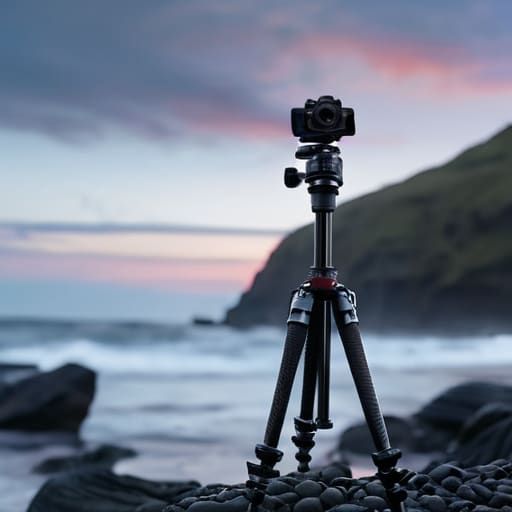
Before you even look at a spec sheet, you need to understand what you’re actually trying to do with the frame. If you’re shooting a landscape at dusk, you’re looking for stabilization for long exposure where even a microscopic tremor ruins the silkiness of the water. If you’re filming a talking head, you’re looking for controlled, repeatable movement. This is where most people trip up—they buy a heavy-duty rig for a job that requires grace, or a lightweight toy that wobbles the moment a breeze hits the sensor.
When you start looking at the hardware, don’t get distracted by the marketing fluff regarding carbon fiber vs aluminum tripods. Sure, carbon is lighter and handles vibration better, but if you’re working a low-budget documentary in a rainy alley, a sturdy aluminum kit won’t break your heart when it gets bumped. The real decision is about the head. For stills, a ball head gives you speed; for anything moving, you need a proper fluid head for video to ensure your pans don’t look like a shaky handheld shot that someone forgot to stabilize in post. It’s about the marriage of the weight and the movement.
Weight Wind and Metal Carbon Fiber vs Aluminum Tripods
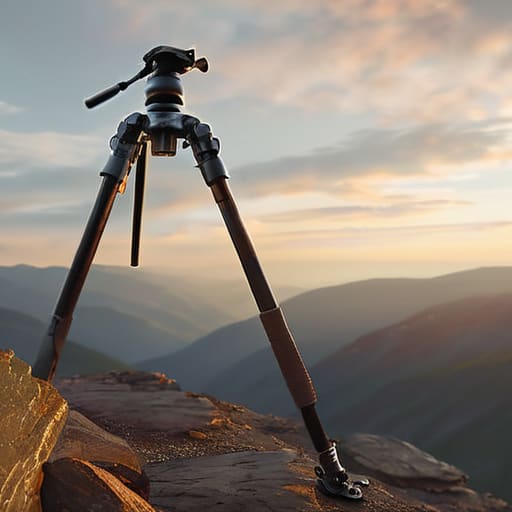
I’ve spent enough years lugging gear up mountain ridges and through crowded city streets to know that the debate over carbon fiber vs aluminum tripods isn’t really about chemistry; it’s about your lower back and your patience. Aluminum is honest. It’s cheaper, it’s heavy, and it holds its ground when the wind starts picking up. If you aren’t hiking five miles to catch a sunrise, there is very little reason to pay the “carbon tax” just to shave a few ounces off your kit.
That said, carbon fiber has one trick that matters: it dampens vibration. When you’re working on a shot requiring extreme stabilization for long exposure, that natural ability to absorb micro-jitters can be the difference between a sharp image and a blurry mess. But don’t mistake lightness for strength. Before you buy, look past the marketing fluff and check the actual tripod payload capacity. I’ve seen plenty of lightweight carbon rigs buckle under a heavy cinema lens because the manufacturer was more interested in the weight of the legs than the stability of the platform. If you can’t carry it, you won’t use it; if it can’t carry your rig, it’s just an expensive stick.
Beyond the Shutter Stabilization for Long Exposure Success
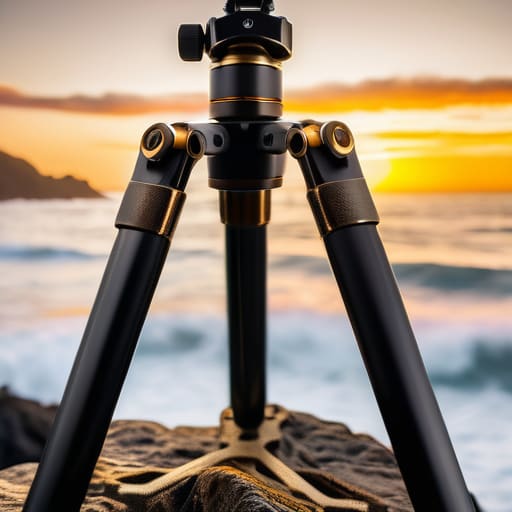
When you’re shooting a long exposure, you aren’t just fighting gravity; you’re fighting the microscopic vibrations of the world around you. I’ve seen plenty of shooters set up a perfectly fine rig only to have a passing truck or a gust of wind turn their sharp landscape into a blurry mess. It isn’t just about having a steady base; it’s about understanding your tripod payload capacity and ensuring your setup isn’t being pushed to its absolute limit. If your gear is straining just to hold the weight of the body and lens, it’s going to react to every tremor.
The choice between a ball head vs pan head becomes a question of precision rather than just convenience here. A ball head is great for getting a quick composition, but if you’re doing fine-tuned adjustments for a long exposure, you might find yourself fighting the tension. More importantly, don’t forget the shutter itself. Using a remote trigger or the built-in timer isn’t a “pro tip”—it’s a necessity to avoid the shake caused by your own finger hitting the button.
The Mechanics of Movement Fluid Head for Video and Motion
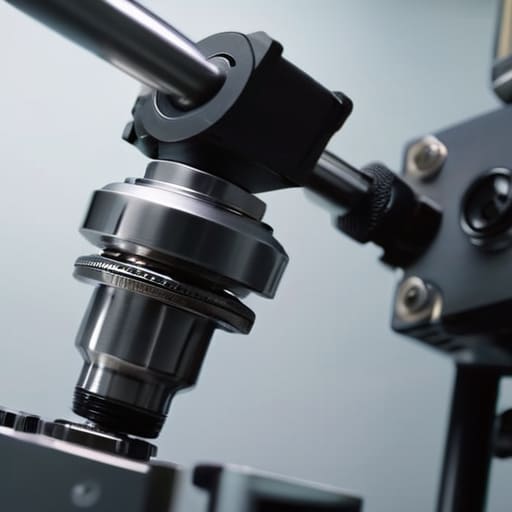
If you try to use a standard photography ball head for a video shoot, you’re going to have a bad time. A ball head is designed to lock a frame and stay there—which is great for a landscape, but it’s useless when you need to follow a subject walking across a room. For motion, you need a fluid head for video, a piece of kit that uses internal drag to smooth out the jerky, human micro-movements that ruin a shot. It’s not about how much you can move; it’s about the resistance you feel while doing it.
The real trick is finding the right balance between tension and weight. If your head is too stiff, you’ll fight it and end up with a shaky, unwatchable mess; if it’s too loose, the slightest touch sends your frame flying. You also have to respect your tripod payload capacity here more than anywhere else. A head that’s rated for a certain weight might feel smooth with a light mirrorless setup, but once you slap a heavy cine lens on there, the fluid resistance changes, and suddenly your pans feel like you’re dragging the camera through wet cement.
Precision Over Power Understanding Tripod Payload Capacity
Most people look at a spec sheet, see a number that looks sufficiently large, and call it a day. That is a mistake. When a manufacturer lists a tripod payload capacity, they aren’t telling you the weight at which the legs will buckle and snap; they are telling you the weight at which the system becomes unstable. If you are mounting a heavy cinema rig or a long telephoto lens on a tripod rated exactly for that weight, you aren’t building a stable platform—you’re building a seesaw.
I’ve seen too many shooters try to squeeze every ounce of utility out of a kit, only to find that their camera stability techniques go out the window the moment a light breeze hits or they try to tilt the head. You need a buffer. If your gear weighs ten pounds, I want to see a tripod rated for at least fifteen, maybe twenty. You aren’t just supporting the weight of the glass and the body; you are supporting the leverage and the kinetic energy of every adjustment you make. Aim for headroom, not a perfect match.
Ball Head vs Pan Head and Vital Monopod vs Tripod Use Cases
When you’re deciding between a ball head vs pan head, you’re really deciding how much you value speed over precision. A ball head is the Swiss Army knife of the tripod world; it’s fast, it’s intuitive, and it lets you compose a shot in seconds by loosening a single knob. But it’s a blunt instrument. If you try to pan a landscape shot with a ball head, you’ll end up with a jerky, amateurish motion that looks like you’re fighting the gear. A pan head, or a dedicated fluid head, gives you that controlled, sweeping resistance that makes a motion feel intentional rather than accidental.
Then there’s the eternal debate of monopod vs tripod use cases. I’ve spent plenty of days wishing I had a tripod for the stability, but I’ve also spent just as many hours cursing a tripod for being too heavy and slow when I needed to move through a crowded street. A monopod isn’t a replacement for a tripod; it’s a tool for mobility. Use a monopod when you need to relieve your arms during a long day of handheld-style shooting, but don’t expect it to provide the rock-solid foundation required for serious long exposures or heavy glass.
Five Ways to Stop Fighting Your Gear and Start Using It
- Check your center column before you pack. If you’re relying on an extended center column to get that low-angle shot, you’re asking for micro-vibrations that’ll ruin your sharpness. Keep the weight as close to the ground and the tripod legs as possible; physics doesn’t care about your creative vision, it only cares about the center of gravity.
- Don’t trust the payload sticker on the box. Manufacturers love to list a “maximum capacity” that assumes you’re mounting a bare camera body on a perfectly still floor. In the real world—on a windy ridge or a vibrating pier—you need to treat half that number as your actual limit if you want a stable image.
- Level the legs, not just the head. I see people spend ten minutes micro-adjusting a fluid head to get a level horizon, all while the tripod legs are set at awkward, uneven angles. Get the legs level first. It makes the pan smoother, the tilt more predictable, and your life a hell of a lot easier when you’re fighting the light.
- Learn the “Spreader” rule. If you’re shooting anything more than a casual snapshot, use a spreader—whether it’s a mid-level one or a ground spreader. It turns a collection of three sticks into a single, unified structure. Without it, a slight bump to one leg sends the whole rig into a slow-motion wobble that no amount of post-production can fix.
- Stop obsessing over weight until you’re actually carrying it. I’ve seen kids buy $2,000 carbon fiber rigs they can’t afford, only to leave them in the van because they’re too heavy to hike with. A heavy, cheap aluminum tripod that actually makes it to the location is infinitely better than a featherweight dream sitting in your trunk.
The Bottom Line on Keeping Things Steady
Stop obsessing over the weight of the tripod and start looking at the weight of your rig; a tripod that’s light enough to carry but too weak to hold your lens without drooping is just an expensive way to ruin a shot.
Don’t mistake a high-end fluid head for a magic wand that fixes bad blocking; the head only makes the movement smooth, it doesn’t make the composition any more intentional.
Buy for the stability you need, not the specs you read in a review; a heavy, slightly clunky aluminum setup will serve you better in a gust of wind than a top-of-the-line carbon fiber model that’s vibrating like a tuning fork.
## The False Promise of the Gear List
“You can spend six months researching the weight-to-strength ratio of carbon fiber legs, but if you don’t understand how a slight breeze or a heavy lens affects your center of gravity, you’re just buying a very expensive way to ruin a shot. A tripod isn’t a piece of gear you ‘use’; it’s the foundation that allows you to stop fighting the equipment and start focusing on where the light actually hits the subject.”
Gethin Moreau
The Ground Beneath Your Feet
At the end of the day, whether you’re wrestling with the weight of aluminum or debating the merits of a carbon fiber spreader, the goal remains the same: stability that doesn’t get in the way of the story. We’ve talked about payload capacities, the fluid mechanics of a good head, and why a monopod might save your back in a crowd, but none of that gear matters if you haven’t accounted for the environment. A tripod isn’t just a piece of hardware; it is the foundation of your composition. If you understand the physics of your support system—the tension in the legs, the drag in the pan, and the limits of your sensor—you stop fighting the equipment and start commanding the frame.
I’ve seen high-end productions stumble because they over-complicated their setup, and I’ve seen incredible, soul-stirring images captured on a battered, secondhand kit that had seen better decades. Don’t let the pursuit of the “perfect” support system become a distraction from the actual work of seeing. The gear will eventually become obsolete, the specs will change, and your next camera will inevitably make your current one look ancient. But the ability to plant your feet, find the light, and hold a shot with intention? That is a skill that stays with you long after the rental house returns its gear. Focus on the shot, not the spec sheet.
