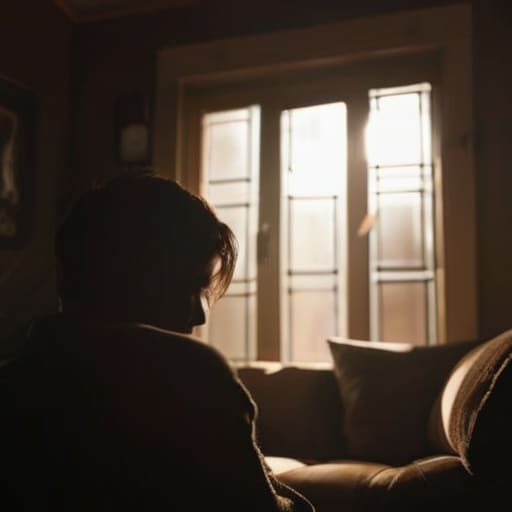
I remember a shoot in a cramped, windowless basement in South London—the kind of place where the humidity clings to your skin and the only light is a single, flickering fluorescent tube that makes everyone look like they’ve been dead for three days. The subject wasn’t just uncooperative; they were actively hostile, treating my presence like a personal insult. Most of the kids coming up today would reach for a more expensive sensor or a softer lens to mask the tension, but they’re missing the point entirely. They think a better kit will solve the problem of how to handle a difficult subject, when in reality, no amount of dynamic range can fix a broken connection between the person behind the glass and the person in front of it.
I’m not here to sell you a new gimbal or a subscription to some “cinematic” lighting preset. I’m going to tell you how to actually navigate those moments when the room turns sour and the talent refuses to play ball. We’ll talk about the importance of physical distance, the subtle way you use light to build trust, and why sometimes the best thing you can do for the shot is to put the camera down and just listen.
Understanding How to Handle a Difficult Subject

Before you even touch the power switch, you have to realize that a difficult subject isn’t a technical hurdle; it’s a human one. I’ve sat in living rooms where the air was so thick with unspoken resentment you could practically see it through the viewfinder. In those moments, your job isn’t to “capture” them, but to exist alongside them. You need to employ some decent active listening skills before you even think about asking for a second take. If they feel like they’re being hunted by a lens, they’ll shut down, and all the high-end glass in the world won’t help you find the truth once that wall goes up.
It’s about reading the room, not the waveform. Most people think they need more light to fix a tense interview, but what they actually need is a way of managing conversational tension through presence rather than interrogation. I’ve found that the best way to navigate these waters is to stop acting like a technician and start acting like a witness. When the subject is fighting the process, stop worrying about your framing and focus on the rhythm of the room. If you can’t build a baseline of trust, you aren’t making a film; you’re just recording a standoff.
Key Things to Know

The first thing you need to realize is that your camera is a witness, not a weapon. When the energy in the room shifts and the person in front of your lens starts pushing back, your instinct might be to tighten the frame or dig in your heels. Don’t. Most of the time, you aren’t fighting a person; you’re fighting the friction between their reality and your schedule. Success in these moments relies less on your technical proficiency and more on your active listening skills. If you can’t hear what isn’t being said, you’ll never find the light that actually matters.
You also have to accept that you are managing a psychological space as much as a physical one. I’ve spent many afternoons realizing that managing conversational tension is the only way to get a usable take. If the subject feels interrogated, they’ll shut down, and no amount of high-end glass will fix a hollow performance. It’s about reading the room, knowing when to hold your tongue, and understanding that sometimes the most professional thing you can do is let the subject lead the way.
Practical Tips and Steps
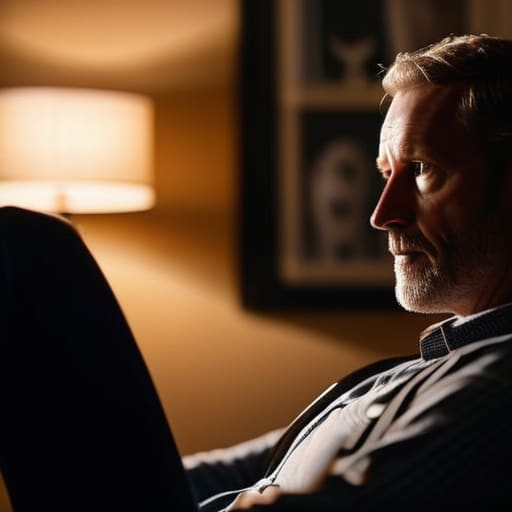
Before you even touch the power switch, you need to establish your presence in the room. I’ve spent enough time in cramped apartments and tense boardrooms to know that if the energy is off, the footage will be too. Don’t walk in with a checklist and a sense of urgency; that only tightens the knot. Instead, focus on active listening skills during that first ten minutes of unscripted chatter. You aren’t just waiting for your turn to speak; you are reading the room, watching how they react to the space you’ve set up. If the light is harsh and they’re already defensive, move the lamp before you move the tripod.
Once the cameras are actually rolling, your job shifts from observer to stabilizer. When a subject starts to push back or the air gets thick, don’t try to power through with technical bravado. You need effective communication strategies that prioritize the person over the shot. If the tension spikes, stop. Give them a moment to breathe, or better yet, change your physical distance. Sometimes, pulling the camera back a few feet does more for the performance than any amount of navigating sensitive conversations ever could. Let the scene settle before you try to force the magic.
Common Mistakes to Avoid
The biggest mistake I see is people trying to “fix” the tension with more gear. You think if you just get a tighter lens or a more flattering light, the discomfort will vanish. It won’t. If you’re staring at your monitor instead of the person in front of you, you’ve already lost the scene. I’ve seen too many young shooters try to mask a lack of rapport by leaning on high-end sensors, but a 6K image of a person who doesn’t trust you is just a high-resolution portrait of a lie.
Another trap is rushing the setup. You want to get the coverage, hit your marks, and move to the next shot, but you end up bypassing the necessary active listening skills that build a bridge between you and the subject. When you skip the quiet moments to get to the “action,” you miss the nuance. You can’t manufacture authenticity in the edit if you didn’t earn it on set. Stop worrying about your frame rate and start focusing on managing conversational tension before you even think about hitting record.
Final Thoughts
At the end of the day, you can have the most expensive Arri Alexa in the world, but if you haven’t established a baseline of trust, you’re just filming a person pretending to be themselves. I’ve spent more time sitting in folding chairs drinking lukewarm coffee with subjects than I have behind a viewfinder, and I’ve learned that the best way to get the shot isn’t through technical mastery, but through active listening skills. If they don’t feel heard, they won’t open up, and no amount of soft lighting is going to fix a performance that feels guarded or hollow.
Don’t get caught up in the gear or the perfect frame when the energy in the room shifts. Managing conversational tension is just as much a part of the job as managing your exposure triangle. It’s about knowing when to put the camera down and just be a human being. If you focus on navigating sensitive conversations with a bit of genuine empathy rather than just checking off a shot list, the footage will take care of itself. The truth is usually found in the quiet moments you didn’t plan for.
Five ways to keep the room from spinning out of control
- Stop staring at the monitor and start looking at the person. If you’re glued to a tiny screen checking your focus or your exposure while someone is opening up to you, you’ve already lost them. They aren’t a set piece; they’re a human being. Build the rapport with your eyes, not your viewfinder, and the footage will follow.
- Use your distance as a tool, not just a technical requirement. If the subject is getting agitated or defensive, back the camera up. A long lens can feel invasive, like you’re crowding their personal space. Sometimes giving them an extra three feet of breathing room is the difference between a guarded interview and a breakthrough.
- Treat the light like a way to build trust. If you show up with a massive, aggressive key light and a crew of five hovering over them, you’re setting a tone of interrogation. Keep the lighting soft and the setup as unobtrusive as possible. When the environment feels safe and the light isn’t punishing, people tend to lower their shields.
- Embrace the silence. Beginners always want to fill the gaps with “uh-huhs” or follow-up questions the second a subject stops talking. Don’t. When they finish a sentence, hold your position and wait. Often, the most honest, unvarnished truth comes in the three seconds of silence right after they thought they were done.
- Don’t let the gear dictate the mood. I’ve seen people walk into a sensitive situation with a rig that looks like it belongs on a spaceship, and it kills the intimacy before you even hit record. If the subject is fragile, simplify your kit. A smaller footprint means less distraction, and less distraction means more truth.
The Bottom Line
Stop looking at the monitor and start looking at the person; if you’re more worried about your focus pull than the subject’s comfort, you’ve already lost the shot.
Gear won’t fix a lack of trust, and no amount of high-end glass can compensate for a cinematographer who doesn’t know when to stop pushing.
Prioritize the light and the space you give them; a subject who feels safe in their environment will always give you better coverage than one who feels like a specimen under a microscope.
The Gear Trap
You can buy the sharpest glass in the world and the most expensive sensor on the market, but if you don’t know how to sit with a person and wait for the light to find them, you’re just recording high-resolution nothing. A difficult subject isn’t a technical problem to be solved with a better kit; it’s a human problem that requires you to stop looking at your monitor and start looking at the room.
Gethin Moreau
The Last Frame
At the end of the day, handling a difficult subject isn’t about having the most expensive codec or a stabilized gimbal that costs more than my first car. It’s about the fundamentals we’ve talked about: respecting the space, managing the light so it doesn’t feel like an interrogation, and having the patience to wait for the moment when the guard finally drops. You can’t force a person to be vulnerable just because you’ve got a high-speed sensor and a tight lens. If you haven’t established trust or understood the rhythm of the room, you’re just recording noise. Focus on the blocking and the breathing room first, and let the gear sit in the background where it belongs.
I’ve spent twenty-three years looking through viewfinders, and if there’s one thing I’ve learned, it’s that the most difficult subjects often yield the most honest work. The friction you feel isn’t necessarily a barrier; sometimes, it’s the very thing that gives the image its weight. Don’t go into a shoot looking for an easy win or a clean, sterile take. Instead, look for the truth in the tension. If you can learn to navigate the discomfort rather than trying to edit it out, you’ll find that the hardest subjects are often the ones that remind you why you started holding a camera in the first place.
