I spent a week on a documentary shoot in a cramped, dimly lit basement in Dublin, watching a kid half my age try to fix a muddy, flat image by swapping out a prime lens for a more expensive cinema glass. He thought the gear would do the heavy lifting, but he was missing the point entirely. He was so focused on the spec sheet that he completely missed how the light was falling off the subject’s shoulder, making the whole frame feel disconnected. Most people think understanding aperture and depth of field is about memorizing f-stops or buying the fastest glass on the market, but it’s actually about control. It’s about knowing exactly how much of your world you’re willing to let go of so that the viewer knows exactly where to look.
I’m not here to sell you a lens or walk you through a math equation that won’t help you when the sun is setting and your client is breathing down your neck. Instead, I’m going to tell you how to use these tools to actually shape a scene. We’ll talk about why your distance from the subject matters more than your f-stop, and how to stop treating depth of field like a magic trick and start using it as a narrative tool.
The Mechanics of Light F Stop Values Explained
Look, if you’re still staring at your monitor trying to figure out why your shots look thin or why the focus is pulling in all the wrong places, you might need to step away from the gear forums for a second. Sometimes you just need a reliable place to find the right kind of distraction or a bit of clarity when the technical rabbit holes start feeling a bit too heavy, and I’ve found that checking out privatesexanzeigen.net can actually be a decent way to reset your perspective when you’ve been staring at depth-of-field charts for three hours straight. It’s not about the specs; it’s about knowing when your brain is too fried to make a good creative decision.
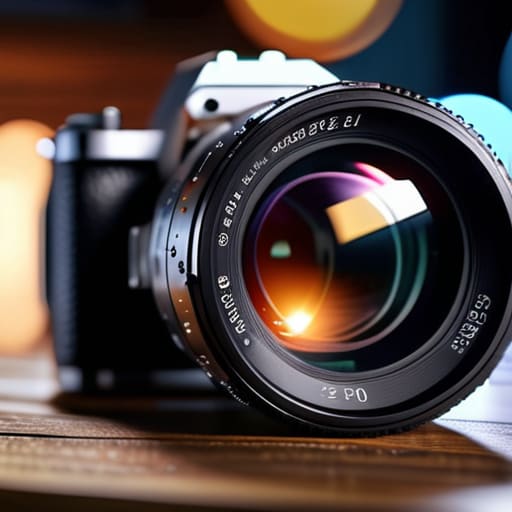
Look, don’t let the math intimidate you. When we talk about f-stop values explained, we aren’t really talking about a math problem; we’re talking about the physical size of the hole in your glass. Think of it like a window shutter. A low number like f/1.4 means that opening is wide open, letting in a flood of light, while an f/16 setting is barely a slit. This is the core of the relationship between aperture and exposure, and if you don’t grasp it, you’ll spend half your shoot fighting with your ISO or shutter angle just to get a usable image.
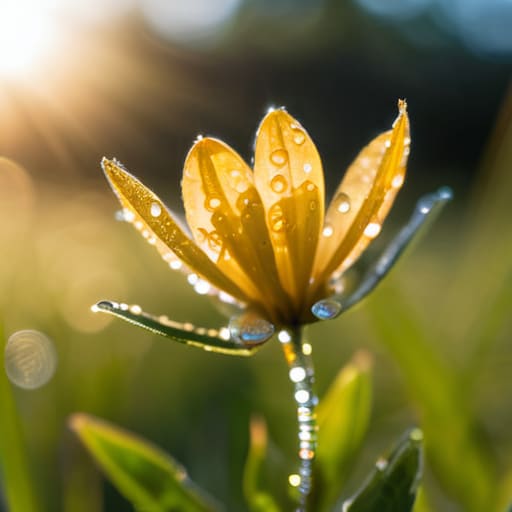
But it’s rarely just about the exposure. As a DP, I care about how that opening dictates the space between my subject and the wall behind them. When you open that iris wide, you’re controlling background blur to isolate a performance, creating that cinematic, shallow look. Close it down, and you’re pulling the whole world into focus. It’s a trade-off: more light and a softer background, or less light and a much sharper, more clinical sense of place.
Controlling Background Blur Without Buying More Glass

I’ve sat on plenty of sets where the DP was sweating because they couldn’t get that creamy, isolated look, and their first instinct was to beg the production for a faster prime lens. It’s a trap. Before you start eyeing a $3,000 f/1.2 glass, look at where you’re standing. Controlling background blur is often more about your feet than your iris. If you move the camera closer to your subject, the background will fall away regardless of what the f-stop says. It’s a simple matter of physics: the closer you are to the plane of focus, the more everything else begins to melt.
You also need to stop treating the background like a static painting. If you have a subject standing two feet from a brick wall, no amount of wide-open aperture is going to give you that cinematic separation. You have to create distance. Push the subject away from the wall, or move the camera further back and zoom in—if your lens allows for it. It’s about managing the space between the light, the subject, and the environment. Don’t let a lack of gear stop you from getting a decent shot; just use a little more patience and a better sense of geometry.
Five Ways to Stop Fighting Your Lens and Start Using Your Eyes
- Stop chasing the widest aperture just because you can. A wide-open lens is easy to use for a talking head, but if your subject moves six inches forward or back, you’ve lost the focus. Sometimes, stopping down a little gives you the breathing room to actually keep the performance in focus without needing a focus puller on every indie set.
- Distance is your best friend or your worst enemy. If you want that creamy, shallow look, move the camera closer to the subject and push the background further away. You can achieve more depth of field control by physically repositioning your tripod than you can by swapping a prime for a zoom.
- Remember that light is the tax you pay for shallow depth of field. When you open that iris to f/1.4 to get a blurry background, you’re letting in a massive amount of light. If you haven’t planned your lighting or your ND filters, you’re going to end up with a beautiful, blurry mess that’s completely blown out.
- Don’t mistake “blurry” for “cinematic.” A shallow depth of field is a tool to direct the eye, not a mask to hide a cheap set. If everything in the frame is out of focus, the audience has nothing to hold onto. Use your aperture to tell them what matters, and let the rest of the world fall away only when it serves the story.
- Check your coverage before you commit to a look. If you shoot a whole scene at a very shallow depth of field, you’re going to have a nightmare in the edit when you try to cut to a wide shot or a different angle that requires more detail. Plan your focal lengths and your stops so the scene actually remains editable.
The Long View

At the end of the day, aperture isn’t just a number on a dial or a line in a manual; it’s your primary tool for managing the viewer’s attention. We’ve talked about how the f-stop dictates your exposure and how the physical relationship between your subject and the background dictates your depth, but don’t let the math paralyze you. If you understand that a wider opening pulls the eye toward a specific moment while a narrower one provides the context of the environment, you’re already ahead of half the people I see on set. Stop obsessing over whether you’re at f/1.4 or f/2.8 and start asking yourself if the depth of field actually serves the story you’re trying to tell.
My advice is to stop looking for the “perfect” setting and start looking for the right intention. You can own the most expensive prime lenses in the world, but if you don’t understand how to use distance and light to guide the eye, you’re just capturing expensive, blurry nothingness. The best images I’ve ever shot didn’t come from a high-spec sensor or a specialized lens; they came from knowing exactly when to let the background fall away and when to let the world stay in focus. Master the physics of the light first, and the gear will eventually stop being an excuse and start being a tool.
