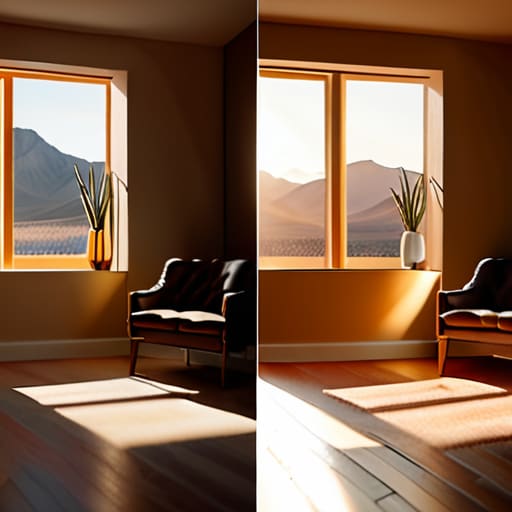
I spent three weeks on a documentary in the Highlands once, working with a camera that had more scratches on the body than I had teeth, yet the footage looked more intentional than most of the $50,000 digital setups I see on YouTube today. People spend their entire lives chasing a specific “look,” convinced that the difference between cinematic and amateur video is hidden inside a spec sheet or a new lens kit. It’s a lie. I’ve seen kids with the latest cinema rigs produce work that feels hollow and flat, while I’ve seen guys with a single light and a steady eye capture something that actually moves you.
I’m not here to sell you a subscription to a gear blog or tell you which sensor has the best dynamic range. My promise is simpler: I’m going to talk about light, blocking, and coverage. We’ll look at why your shots feel disconnected and how you can start making decisions that actually serve the story rather than just the resolution. If you want to learn how to actually see before you hit record, then you’re in the right place.
Stop Chasing Pixels and Start Mastering Cinematic Lighting Techniques
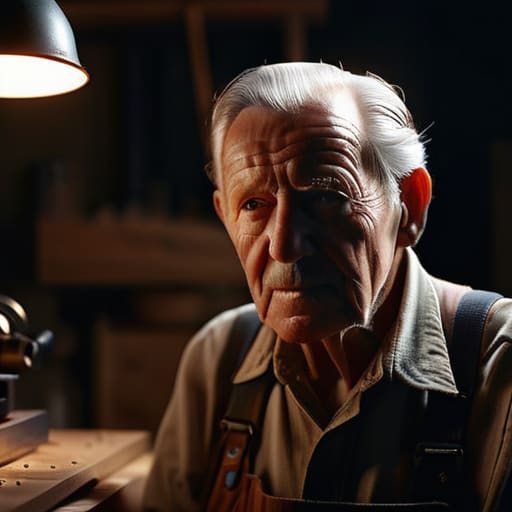
I’ve sat in edit suites watching editors try to perform miracles on footage that was technically “sharp” but visually dead. They’re trying to fix a lack of dimension with color grading vs raw footage, but you can’t grade your way out of a flat, unmotivated light source. Amateur work tends to treat light like a utility—something you just turn on so the subject is visible. Professional work treats light like a sculpting tool. If you don’t have shadows, you don’t have a shape, and if you don’t have shape, you don’t have a story.
Stop worrying about whether your sensor can resolve more detail and start thinking about where the light is actually coming from. I’ve seen guys with $50,000 rigs produce images that look like home movies because they’re lighting everything with a single, undifferentiated overhead source. You need to understand how to create contrast, how to use motivated light to guide the eye, and how to manage your cinematic lighting techniques to build depth. If you can’t control the light, the camera is just a very expensive way to record a mess.
Why Depth of Field in Filmmaking Isnt Just a Bokeh Fetish
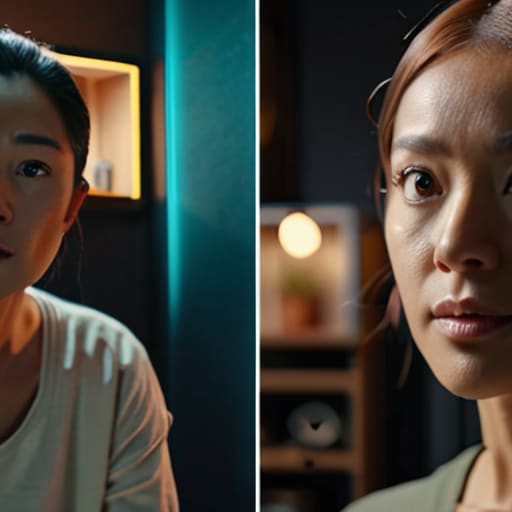
I see it every week: a kid with a brand-new mirrorless camera and a prime lens, obsessed with getting that creamy, blurred background because they saw it in a YouTube tutorial. They think a shallow depth of field is a magic wand that turns a basement into a studio. It isn’t. If you use a wide aperture just to hide a messy room or a distracting background, you aren’t making cinema; you’re just hiding your lack of production design.
Real depth of field in filmmaking is a tool for directing the eye, not a filter you slap on to look expensive. It’s about choice. Sometimes, you need that razor-thin focus to isolate a character’s grief in a crowded room. Other times, you need a deep focus to show the relationship between a man and the environment that’s crushing him. When you use it without intent, you lose the context of the scene. You end up with a series of disconnected close-ups that feel like a high-end perfume commercial rather than a coherent story. Control the focus to tell the story, or don’t bother opening the aperture at all.
Five Things You Can’t Buy in a Camera Store
- It’s about the coverage, not just the “hero” shot. Amateurs roll a single beautiful angle and pray they can piece it together later. Professionals shoot for the edit; we think about the eyeline, the reverse, and the cut before we even hit record. If you don’t have the coverage to bridge the gaps, you don’t have a scene, you just have a collection of pretty pictures that won’t tell a story.
- Stop moving the camera just because you can. There is a pervasive, restless energy in amateur work—constant pans, tilts, and handheld jitter that serves no purpose other than to show the viewer the camera is moving. If the camera moves, it needs to be because the emotion of the scene demands it, or because we are following a character’s intent. If you don’t have a reason to move, stay still.
- Respect the frame and what’s inside it. A lot of people spend ten grand on a lens and then forget to look at the background. An amateur sees a subject; a DP sees a composition. I’m looking at the negative space, the lines leading the eye, and whether that distracting trash can in the corner is going to ruin the mood. If the frame is cluttered, no amount of 8K resolution is going to save you.
- Sound is half the image, even if it’s invisible. You can have the most beautiful, grain-free, color-graded footage in the world, but if the audio is thin, windy, or echoing like a bathroom, the audience will check out in seconds. An amateur treats audio as an afterthought to be “fixed in post.” A professional treats it as a primary element of the production.
- Learn to embrace the limitations of your light. You’ll see people trying to fight shadows with cheap LED panels, trying to make everything bright and even like a sitcom. That’s not cinema; that’s a commercial for a detergent. Cinema lives in the contrast. It lives in the parts of the frame where we don’t see everything. Learn to work with the shadows you have instead of trying to blow them out with gear you can’t afford.
The Long Game
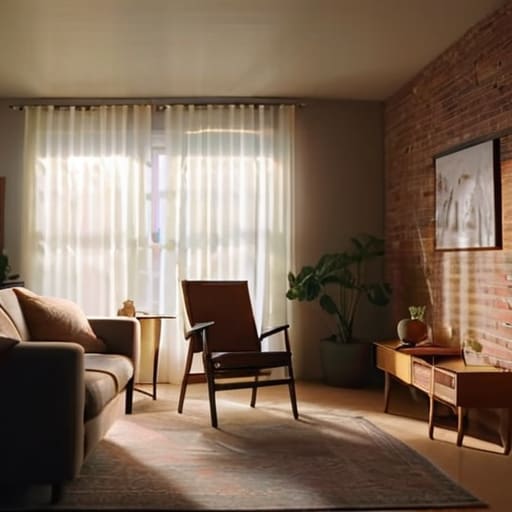
At the end of the day, the distinction between a cinematic image and an amateur clip isn’t found in a spec sheet or a YouTube gear review. We’ve talked about why a shallow depth of field is a tool for focus rather than just a way to hide a messy background, and why a well-placed key light does more for your image than a thousand-dollar sensor ever could. If you find yourself staring at a screen wondering why your footage feels “flat,” stop looking at your settings and start looking at the geometry of your light and the intention behind your blocking. The professional knows that coverage is about the edit, and quality is about how much you respect the scene before you even hit record.
I know the temptation to believe that the next upgrade is the missing piece of the puzzle. It’s a seductive lie that keeps the industry moving, but it’s one that will leave your work feeling hollow if you don’t develop your eye first. My advice? Master the light you have, use the lenses you know, and learn to see the world in terms of shadows and distance. Once you stop treating your camera as a magic wand and start treating it as a way to capture a specific truth, you’ll realize that the most important piece of equipment you own isn’t in your bag—it’s the patience to get it right.
Beyond the physics of light and the geometry of a lens, there is the matter of what you are actually looking at through the viewfinder. You can have the most expensive Arri Alexa in the world, but if your subject lacks presence or the composition feels hollow, you’re just recording high-resolution nothingness. I’ve learned that the most compelling images often come from a deep understanding of human nuance and the subtle ways we perceive the world around us. If you find yourself struggling to find that emotional weight in your framing, sometimes looking toward different perspectives, like the natural grace found in oudere vrouwen, can help you understand how character and lived experience translate into a more profound, cinematic visual language. It’s about finding the soul of the frame, not just the sharpness of the edge.
