
I remember a location shoot in a crumbling Victorian warehouse outside of Bristol where the light was perfect—a single, bruised purple dusk bleeding through a cracked skylight—but the floor was a graveyard of rusted nails and loose floorboards. We spent forty minutes arguing about the dynamic range of the sensor when we should have been looking at the literal holes in the ground. Most people think learning how to run a risk assessment means filling out a twenty-page spreadsheet that no one reads until someone ends up in A&E. They treat it like a bureaucratic tax on creativity, something to be ticked off and forgotten, rather than the actual foundation of a professional set.
I’m not here to teach you how to satisfy an insurance adjuster with paperwork that belongs in a shredder. I want to show you how to look at a room and see the trip hazards, the electrical overloads, and the heavy lights that are one bad C-stand placement away from a catastrophe. I’ll give you the practical, unromantic reality of how to run a risk assessment that actually keeps your crew safe and your production moving. We’re going to focus on situational awareness, because at the end of the day, a well-planned set is the only way to ensure the only thing breaking is the silence between takes.
The Geometry of Chaos How to Run a Risk Assessment
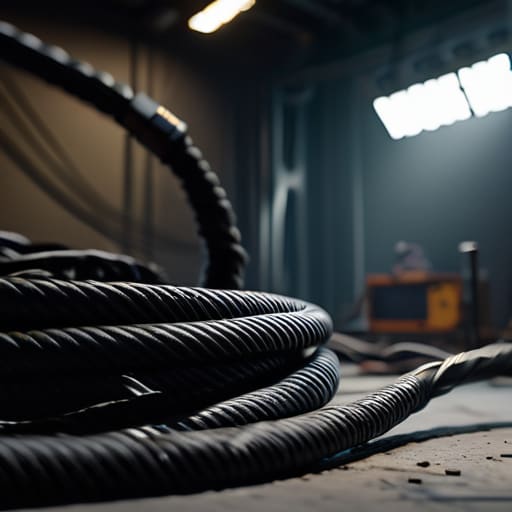
You don’t start by filling out a spreadsheet; you start by walking the floor. Before the first light is even rigged, you need to be identifying workplace hazards like you’re looking for a continuity error. I’m talking about the heavy C-stands that aren’t sandbagged, the tangled nest of power cables snaking across a dark studio, or that one precarious ladder leaning against a rigged ceiling. If you can’t see the trip hazard from the eyepiece, it’s going to find someone eventually.
I’ve seen enough sets fall apart because someone treated occupational health and safety protocols like a bureaucratic chore rather than a survival guide. When I’m mapping out a location, I’m looking at the physics of the room. If we’re shooting in a cramped basement with limited ventilation and high-wattage tungsten lamps, that’s a heat issue. If we’re working near a moving vehicle, that’s a life issue. You aren’t just checking boxes for compliance; you are calculating the likelihood and severity of a mistake before it becomes a headline. It’s about seeing the chaos before it arrives.
Identifying Workplace Hazards Before the Light Fails
You don’t wait for the sun to go down to realize you’ve set up a C-stand in a narrow doorway or draped a power cable across a high-traffic walkway. Identifying workplace hazards isn’t some bureaucratic exercise to satisfy a producer’s insurance agent; it’s about looking at a room and seeing the ways it can fight you. I’ve seen shoots stall for hours because someone tripped over a sandbag that wasn’t properly marked, or worse, a light fell because the weight distribution was off. You need to scan the space for anything that can fall, anything that can trip someone, and anything that can catch fire.
When you’re mapping this out, don’t get bogged down in a complex likelihood and severity analysis that feels like a math exam. Keep it practical. If you’ve got a heavy overhead rig hanging over a talent’s head, that’s a high-priority fix, not a suggestion. You aren’t just checking boxes for compliance and regulatory requirements; you are looking for the friction points where a busy crew is going to run into trouble. If the setup looks precarious, it is. Fix the physics before you worry about the frame.
Likelihood and Severity Analysis Calculating the Cost of Error
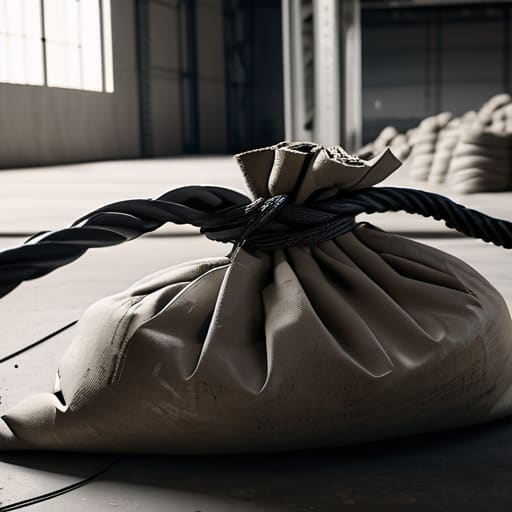
Once you’ve spotted the trip hazards and the fraying cables, you have to stop looking at them as mere nuisances and start looking at them as math. In the industry, we call this likelihood and severity analysis, but on a real set, it’s just common sense scaled up. You’re weighing two things: how likely is it that someone is actually going to trip over that sandbag, and if they do, are they just going to stub a toe or are they going to end up in the ER with a fractured wrist? A loose light fixture hanging over a talent’s head is a low-probability event, sure, but the severity is catastrophic. That’s a different calculation than a slightly messy cable run in the corner of the studio.
I’ve seen productions try to hide behind complex risk management strategies that look great on a clipboard but mean nothing when the sun is setting and the crew is exhausted. Don’t get bogged down in a spreadsheet if it keeps you from seeing the actual danger. You don’t need a PhD to understand that a heavy C-stand on uneven ground is a ticking clock. Use a simple mental matrix: if the chance is high and the damage is high, you don’t roll until it’s fixed. Period.
Beyond the Paperwork Real Risk Management Strategies
If you think a risk assessment is just a folder of signed forms sitting in a production office, you’ve already lost the battle. Real risk management isn’t about checking a box to satisfy compliance and regulatory requirements; it’s about the conversation you have with your key grip at 5:00 AM when the sun is barely up and the cables are still tangled. It’s about the instinct that tells you a C-stand isn’t weighted properly for the wind hitting that corner of the studio. You don’t manage risk by staring at a spreadsheet; you do it by being present in the space and anticipating the moment a heavy light fixture becomes a projectile.
The best risk management strategies are baked into the workflow, not tacked on as an afterthought. It’s the habit of “marking the floor” before a dolly moves, or the discipline of ensuring every single sandbag is positioned correctly before anyone starts a take. I’ve seen plenty of productions follow every official protocol to the letter and still end up in the ER because nobody actually looked at the set with a critical eye. Safety is a physical habit, not a clerical one.
Decoding Risk Assessment Matrix Examples for the Set
Most people see a risk assessment matrix and see a spreadsheet designed by someone who has never stepped foot on a set. They see colored boxes—red, yellow, green—and think it’s a math problem. It isn’t. When you’re looking at risk assessment matrix examples, you aren’t trying to win a calculus competition; you’re trying to visualize how a loose C-stand or a heavy battery pack might actually end a production. If the likelihood is high and the severity is a broken limb, that box is red, and you don’t roll until it’s fixed.
The mistake I see most often is treating these charts like a checkbox for compliance and regulatory requirements rather than a living tool. A matrix is just a way to organize your gut instinct. If you’re staring at a 5×5 grid, don’t get bogged down in the decimals. Use it to communicate. If a lighting setup is precarious, the matrix should tell your assistant director that the risk is unacceptable, regardless of how much the client is screaming about the schedule. It’s about turning a vague feeling of “this looks dangerous” into a clear, actionable decision.
Safety Protocols and Compliance Protecting the Work and the Crew
Look, I’ve sat on sets where the only “safety protocol” was a producer shouting that we were losing the light. That’s a fast track to a lawsuit or a trip to the ER. When we talk about compliance and regulatory requirements, it’s easy to view them as just more bureaucratic hurdles designed to slow down the production. But in reality, these rules exist because a set is a volatile environment of heavy cables, high-voltage lamps, and people moving fast in the dark. Following established occupational health and safety protocols isn’t about checking a box for an insurance company; it’s about ensuring the person holding the boom pole actually goes home with both arms at the end of the day.
If you treat safety as a secondary thought to the shot, you’ve already lost. You can have the most sophisticated risk management strategies in the world, but they mean nothing if the crew doesn’t respect the boundaries you’ve set. Compliance is the baseline, not the ceiling. It’s about building a culture where a junior loader feels just as empowered to call “stop” on a dangerous rig as the Director of Photography. Protecting the work starts with protecting the people making it.
Five Ways to Not End the Day in an Ambulance
- Stop looking at the monitor and start looking at the floor. You can have the most beautiful, shallow-depth-of-field composition in the world, but if there’s a trailing power cable cutting across a high-traffic zone between the dolly and the monitor station, you haven’t made a film; you’ve set a trap. Walk the perimeter of your setup before you even think about hitting record.
- Respect the weight of your gear. I’ve seen too many productions where a junior grip tries to manhandle a heavy LED panel or a C-stand without a sandbag because “we’re behind schedule.” A sandbag isn’t an optional accessory; it’s the only thing standing between a stable light and a heavy piece of metal swinging into someone’s head.
- Treat electricity like it’s actually dangerous. We spend all this time worrying about color science and dynamic range, but if you’re daisy-chaining power strips or overloading a single circuit to run your lights and your coffee machine, you’re asking for a fire. Know your load, know your breakers, and don’t let “creative necessity” bypass basic electrical physics.
- Communication is better than any safety manual. If you move a light, if you change a blocking pattern, or if you bring in a piece of equipment that requires a specific clearance, tell the crew. A risk assessment isn’t a document you file in a drawer; it’s the constant, verbal loop of “watch your step” and “heads up” that keeps a set from turning into a disaster zone.
- Plan for the “What If,” not just the “What Is.” A good risk assessment accounts for the chaos of a real set—the sudden rain shower that makes the ground slick, the extra-large talent arriving late, or the equipment failing mid-scene. If your plan only works when everything goes perfectly, it isn’t a plan; it’s a wish.
The Bottom Line
A risk assessment isn’t a checkbox for a producer to tick; it’s your way of looking at a room and seeing the trip hazards and heavy stands before they become a lawsuit or a broken limb.
Stop looking for a magic sensor to fix a bad production, and start looking at your logistics—most “accidents” are just the result of poor planning and rushing a setup when the light is dying.
Real safety lives in the practical stuff, like how you cable your lights and how you block your actors, not in how many pages of paperwork you’ve filed in a binder.
The Real Cost of Oversight
A risk assessment isn’t a bureaucratic hoop you jump through to satisfy an insurance broker; it’s the process of looking at a room filled with heavy cables, dimming lights, and exhausted people and realizing that if you don’t spot the trip hazard now, you’ll be spending your wrap much more time with a paramedic than with a playback monitor.
Gethin Moreau
The Final Frame
At the end of the day, a risk assessment isn’t some bureaucratic hurdle designed to slow down your production or kill the creative momentum; it’s the foundation that allows that momentum to exist without someone getting hurt. We’ve looked at how to spot the trip hazards in the shadows, how to weigh the severity of a mistake against the likelihood of it happening, and how to translate those numbers into actual, on-set protocols. If you’ve done the work—if you’ve actually walked the floor and looked at the cables, the rigging, and the lighting positions before the first light is even struck—you’ve done more for your production than any high-end sensor ever could. It’s about understanding the geometry of your environment so that when the pressure mounts and the sun starts to dip, you aren’t making decisions based on panic, but on preparedness.
I’ve spent twenty-three years watching sets go from controlled environments to absolute chaos because someone thought they were too busy to check a single connection or a heavy C-stand. You can buy the most expensive camera package on the market, but it won’t matter if your crew is too distracted by safety concerns to focus on the frame. Real professionalism isn’t just about the quality of your coverage or your ability to manipulate light; it is the quiet, unglamorous discipline of ensuring everyone goes home in the same condition they arrived. Respect the physics of the set, and the work will always be better for it.
