I spent three weeks on a documentary in the Highlands last year, working with a kit that had half the dynamic range of the latest flagship sensor, and I still walked away with better images than the kid I saw last month using a $50,000 rig in a studio with nothing but overhead fluorescent lights. People spend months obsessing over bitrates and sensor sizes, trying to find a magic number that will finally make their work look “cinematic,” but they’re looking in the wrong direction. If you’re staring at spec sheets trying to figure out how to choose a camera for video, you’re likely falling for the same marketing trap that suggests a better sensor can fix a poorly lit room.
I’m not here to sell you on the latest shiny toy or help you justify a massive credit card debt. Instead, I want to talk about how a tool actually functions when you’re tired, underpowered, and fighting for every foot of light. I’m going to show you how to look past the marketing fluff and focus on the things that actually matter: ergonomics, light management, and how much a camera allows you to actually move. We’ll strip away the nonsense so you can pick a tool that serves your vision, rather than one that dictates it.
Understanding How to Choose a Camera for Video
Before you look at a spec sheet, you need to look at your environment. If you’re shooting mostly controlled interviews in a studio, you can get away with a lot. But if you’re out in the world, chasing light that moves and changes every ten minutes, you need to care about dynamic range requirements. I’ve seen more footage ruined by a sensor that couldn’t hold the highlights in a bright window than I have by a lack of resolution. It’s not about the number of pixels; it’s about how much information lives in the shadows and the highlights before everything turns into a muddy, digital mess.
Then there’s the conversation about sensor size for videography. People get obsessed with Full Frame because it sounds professional, but a smaller sensor can often be your best friend when you’re working in tight, cramped spaces where you can’t physically move the camera back. Don’t let the marketing fool you into thinking a bigger sensor is a magic wand for quality. If you can’t control the light, a massive sensor will just show you more of your mistakes in higher definition.
Key Things to Know
First, let’s talk about the sensor. You’ll see people arguing endlessly about sensor size for videography, claiming a larger surface area is the only way to get a “cinematic” look. While a larger sensor does give you that shallower depth of field and better low-light performance, it also changes your physics. It changes your working distance and how much you’ll have to move your lights to keep a subject properly exposed. Don’t buy a full-frame rig if you’re shooting in tight, cramped interiors where you’ll be fighting for every inch of space.
Then there’s the data—the stuff that actually keeps a colorist from hating you during post-production. I don’t care much about how many megapixels a camera boasts if the bit depth and color sampling are bottom-tier. If you’re shooting 8-bit video and trying to push the shadows in a grade, you’re going to see banding that no amount of expensive glass can fix. You need enough information in the file to actually work with the light you’ve captured. If the camera can’t hold onto the highlights when the sun hits a window, it’s just a very expensive way to make bad footage.
Practical Tips and Steps
Before you click “buy” on that new body, I want you to go into a room with a single window and try to expose a subject. If you can’t manage the shadows there, a new sensor won’t save you. My first practical step is always to look at the lens compatibility for filmmaking rather than the body itself. A camera is just a box that captures light; the glass is what shapes it. If you buy a high-end body that forces you into a proprietary, overpriced lens ecosystem, you’ve already lost the battle of the budget. Make sure you can actually access the glass you need to tell the story.
Next, stop obsessing over resolution and start looking at how the camera handles data. I’ve seen shooters chase 8K only to realize they have no way to grade the footage because they ignored bit depth and color sampling. If you aren’t shooting at least 10-bit, you’re essentially painting with a limited palette and hoping the colorist can perform miracles in post. It’s better to have a camera that captures clean, usable data in a modest resolution than a high-res sensor that falls apart the moment the light gets tricky.
Common Mistakes to Avoid
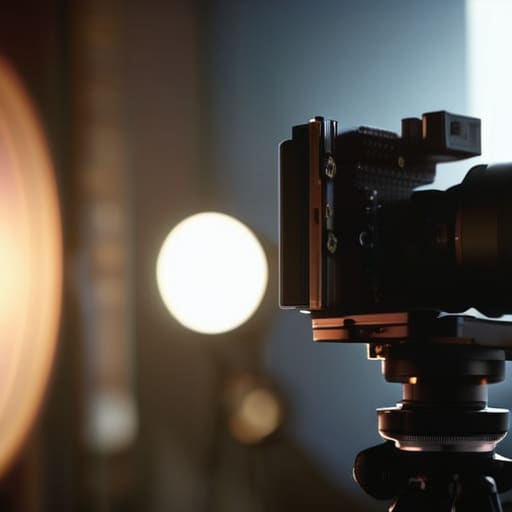
The biggest mistake I see is people chasing spec sheets like they’re shopping for a supercar rather than a tool for storytelling. They’ll spend their entire budget on a body with massive resolution, only to realize they have nothing left for glass. You can have the most expensive sensor in the world, but if your lens compatibility for filmmaking is non-existent or you’re stuck with cheap plastic glass that can’t resolve the detail, you’re just recording expensive garbage. I’ve seen more ruined shoots caused by a lack of good glass than by a mediocre sensor.
Another trap is getting blinded by “numbers” without understanding their practical application. People obsess over 8K resolution while completely ignoring bit depth and color sampling. You can shoot at a ridiculous resolution, but if your files are thin and lack the data to move the shadows in post, you’re working twice as hard for half the result. Don’t get so caught up in the resolution arms race that you forget you actually need to manipulate the image later. A camera isn’t a magic box; it’s just a way to capture light, and if you don’t respect the data you’re collecting, no amount of megapixels will save you.
Final Thoughts
Look, at the end of the day, you’re going to find a way to make it work. I’ve seen beautiful, cinematic stories told on cameras that shouldn’t have been able to pull it off, and I’ve seen expensive cinema rigs produce nothing but sterile, lifeless garbage. If you spend all your time obsessing over sensor size for videography or chasing the highest possible resolution without understanding how that sensor reacts to a single window light, you’re just playing with expensive toys. Pick a tool that doesn’t fight you when the sun goes down and the light gets tricky.
Don’t let the spec sheets bully you into a purchase you can’t afford or don’t need. If you’re doing run-and-gun work, sure, you might need reliable autofocus performance for video, but if you’re building a controlled setup, you’re better off investing that money in a decent set of glass or a better lighting kit. The camera is just the box that catches the light; it isn’t the story. Buy what you can use, learn its limits, and then get out of your own way.
Five things to check before you swipe the credit card
- Stop looking at the resolution numbers and start looking at the dynamic range. I don’t care if a sensor can spit out 8K if it clips your highlights the second a window shows up in the background; you can’t edit your way out of a blown-out sky, no matter how much you pay a colorist.
- Buy for the light you actually have, not the light you wish you had. If you’re shooting mostly run-and-gun documentaries or corporate gigs in windowless conference rooms, you need a sensor that handles high ISO without turning your image into a grainy mess. A high-spec cinema camera is a paperweight if it can’t see in the dark.
- Check the ergonomics of the mounting points, not just the menu settings. A camera that looks great on a spec sheet is useless if it doesn’t have the threaded holes or cage compatibility to hold the monitor, the follow focus, and the battery you actually need to get through a twelve-hour day.
- Prioritize the lens mount over the internal features. You can always upgrade a body in three years, but a good set of glass is a lifelong investment. If the camera forces you into a proprietary mount that makes finding affordable primes a nightmare, you’re buying yourself a headache, not a tool.
- Think about the data, not just the footage. If the camera shoots a beautiful codec that requires a server farm to edit, and you’re a one-man crew cutting on a laptop, you haven’t bought a camera—you’ve bought a full-time job in file management. Choose a workflow that lets you actually finish the edit.
The Bottom Line
Stop looking at the spec sheet and start looking at the light; a sensor can’t manufacture illumination where none exists, and no amount of resolution will fix a poorly lit room.
Buy for the workflow, not the ego; if the camera is too heavy or the menus are too deep to let you react to a moment, it’s just an expensive paperweight.
Invest in your eyes and your glass before your body; you can always upgrade a sensor later, but you can’t fix a fundamental misunderstanding of composition or bad optics.
The Sensor Delusion
Stop looking at the resolution numbers and start looking at the light; you can buy a sensor that captures every single pore on a subject’s face, but if you don’t understand how to shape the shadows or manage your distance from the subject, you’re just recording high-definition garbage.
Gethin Moreau
The Bottom Line
At the end of the day, choosing a camera isn’t about finding the one with the highest bit depth or the most impressive dynamic range on a spec sheet. It’s about finding a tool that doesn’t get in your way when the sun is setting or when you’re cramped in a corner with a single practical light. You need to understand your light, your coverage requirements, and your physical limitations before you ever click ‘buy.’ If you can’t manage a basic three-point setup or plan your shots so they actually make sense in the edit, no amount of sensor technology is going to save your footage. Stop chasing the spec wars and start looking at how a camera handles the practical realities of your specific workflow.
I’ve spent two decades watching people walk onto sets with five-figure rigs and produce work that looks amateur because they forgot to look at the shadows. The truth is, the camera is just a box that captures what you’ve already decided to put in front of it. Once you stop treating gear as a magic wand and start treating it as a secondary concern to your vision, your work will transform. Don’t wait for the “perfect” setup to start telling stories; go out, find the light, and make something worth watching with whatever you’ve got. The best camera in the world is the one that actually gets used to tell a real story.
