I remember standing in a beautiful, high-ceilinged loft in East London, watching a young director get misty-eyed over the “vibe” of the space, while I was busy staring at a massive, unmovable radiator and a window that faced a brick wall. He saw a masterpiece; I saw a nightmare of shadows and a total lack of power outlets. Most people think a complete guide to location scouting should be about finding the most aesthetically pleasing backdrop or the most “cinematic” architecture, but that’s a lie that gets people into trouble. If you don’t account for where the light actually falls at three in the afternoon or whether you can physically fit a dolly track between the sofa and the door, you aren’t scouting—you’re just window shopping.
I’m not here to give you a checklist of pretty rooms. My goal is to give you a way to look at a space and see the logistics of the shot. We’re going to talk about power, acoustics, and the geometry of movement—the stuff that actually keeps a production from collapsing on day two. This is about finding locations that don’t just look good on a mood board, but actually work for the camera and the edit.
The Geometry of Light a Complete Guide to Location Scouting
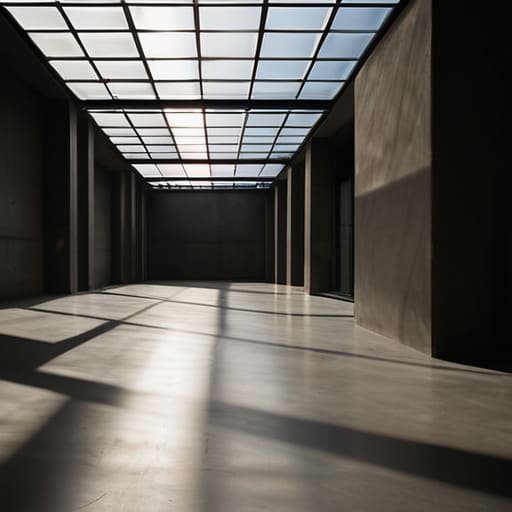
When you walk into a space, stop looking at the decor and start looking at the windows. I don’t care how “aesthetic” a cafe looks; if that massive skylight is positioned directly overhead, you’re going to spend half your day fighting unmanageable shadows or waiting for a cloud to pass. Effective scouting for cinematography isn’t about finding a pretty room; it’s about identifying where the light is coming from and, more importantly, where it isn’t. You need to map out the sun’s path or the placement of the overhead fluorescents before you even think about where the talent stands.
Once you understand the light, you have to deal with the physical reality of the floor. I’ve seen plenty of productions stall because they found a perfect corner but realized too late that there was no room for a dolly track or even a basic light stand. A proper production site assessment means measuring the distance between your primary light source and your subject, and checking if you have the clearance to actually move the camera. If you can’t fit a tripod in the corner without hitting a wall, that “perfect” shot is a fantasy.
Scouting for Cinematography When Distance and Shadows Dictate the Story
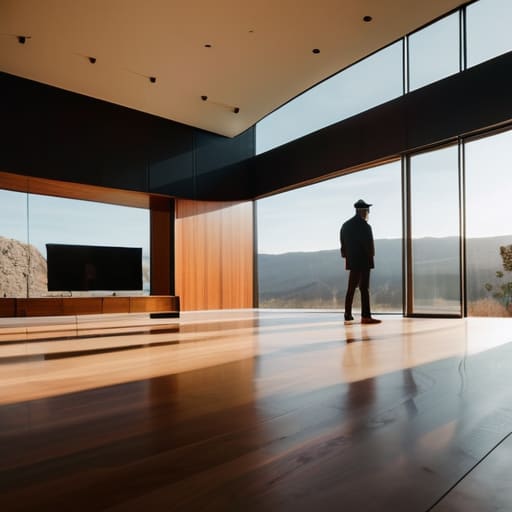
When you’re scouting for cinematography, stop looking at the decor and start looking at the voids. Most people walk into a room and see a beautiful mid-century modern lounge; I see a massive, uncontrollable window that’s going to fight my key light every step of the way. You need to measure the distance between your subject and the nearest practical light source, and more importantly, the distance between your camera and the back wall. If the room is too tight, you aren’t just losing a wide shot—you’re losing the ability to move the camera through the scene, which kills the rhythm of the edit before you’ve even called “action.”
A proper production site assessment isn’t just about checking if there’s a power outlet; it’s about understanding how shadows behave when the sun moves. I’ve seen too many shoots stall because the crew realized at 2 PM that the “perfect” corner was actually a dark, cavernous pit that no amount of bounce could fix. When you’re scouting for commercial shoots, the stakes are higher because the client expects a polish that physics often refuses to provide. Don’t trust the wide-angle view. Get close, look at the corners, and figure out if you have enough physical space to actually move a light stand without tripping over a grip.
Beyond the Frame Essential Production Site Assessment Tactics
Once you’ve figured out where the light is coming from, you have to deal with the reality of the space itself. I’ve seen plenty of beautiful setups fall apart because someone forgot to check the power draw or the noise floor. A production site assessment isn’t just about the visual; it’s about the physics of the room. I always look for the “invisible” obstacles: Is there a humming refrigerator in the corner that’ll ruin a clean dialogue track? Is the circuit breaker in a basement three floors down? If you’re scouting for commercial shoots, these small logistical headaches become massive budget drains if you don’t catch them before the crew arrives.
You also need to think about the movement of people, not just the movement of the camera. I look for the practicality of the workflow—where do the actors wait between setups, and where does the grip truck actually park? You can have the most stunning corner in the city, but if you can’t get a heavy battery pack through the door without a ramp, your day is already lost. Treat your location manager checklist as a survival guide rather than a formality; it’s the difference between a smooth shoot and a frantic scramble.
Scouting for Commercial Shoots Where Aesthetics Meet Reality
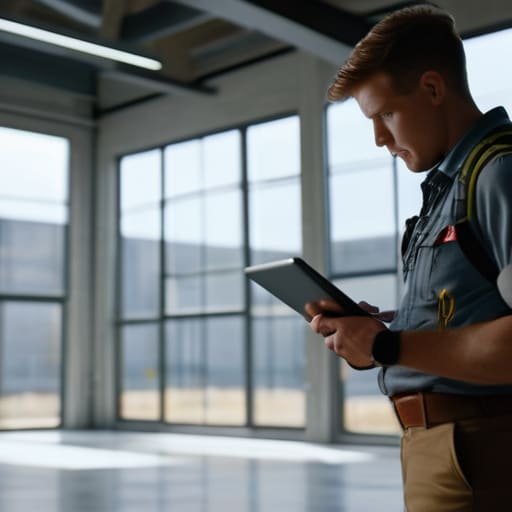
When you’re scouting for commercial shoots, the stakes shift from purely artistic to a delicate dance between what looks expensive and what is actually possible. In a documentary, a cramped, dimly lit cafe can be “authentic”; in a commercial, that same cafe is a logistical nightmare that can kill your schedule before you even roll. You aren’t just looking for a pretty background; you are looking for manageable space. You need to know if there is a corner for the client to sit in without breathing down the operator’s neck, and whether the power grid can handle a lighting package without tripping a breaker every twenty minutes.
A solid production site assessment for commercials means looking past the brand’s “vibe” and calculating the footprint of your gear. I’ve seen too many productions stall because they found the perfect aesthetic location but forgot to account for the physicality of the crew. If you can’t move a dolly through the doorway or find a place to hide the generator, the beauty of the shot won’t matter. You have to balance the visual requirements with the reality of managing location logistics, ensuring the space serves the product without becoming a cage for your team.
The Practicality of the Cut Film Location Photography Tips
You can find the most beautiful light in the world, but if you haven’t scouted for the edit, you’re just making pretty pictures that won’t work in the sequence. When I’m out on a scout, I’m not just looking at the window or the texture of the walls; I’m looking for the physical space required for coverage. I’ve seen too many productions stall because they realized too late that they couldn’t fit a dolly track between the sofa and the coffee table, or that the reverse angle required a camera position that was physically impossible without hitting a structural pillar.
Effective scouting for cinematography means thinking about the jump cuts before you even arrive on day one. You need to identify where your eyelines will live and ensure you have enough depth to move the camera without losing the intimacy of the performance. If you can’t see the path for the camera to move, or if the room is so cramped that you’re forced into a single, static wide shot, you aren’t scouting—you’re just visiting. Plan for the transitions, not just the frames.
Managing Location Logistics the Non Negotiable Location Manager Checklist
Look, I’ve been on enough sets where the lighting was beautiful but the production ground to a halt because someone forgot to check if the power circuit could actually handle a single HMI, let alone a full grip package. A proper location manager checklist isn’t about ticking boxes for the sake of paperwork; it’s about preventing the kind of logistical nightmares that turn a creative day into a frantic search for extension cords. You need to know where the breakers are, where the crew is going to park the trucks, and—crucially—where the nearest bathroom is. If your crew is miserable or thirsty, the energy on camera will reflect it, no matter how much you’ve optimized your scouting for cinematography.
When you’re managing location logistics, you have to account for the friction of reality. I’m talking about noise pollution from a nearby construction site that your ears tuned out during the scout, or the fact that the “private” driveway is actually a dead end for a heavy gear van. Don’t just assume a space works because it looks good in a wide shot; verify the physical flow of people and equipment. If you can’t move a C-stand through the door without breaking a window, you haven’t finished your assessment.
Five Things Your Eyes See That Your Spreadsheet Won't
- Stop looking at the walls and start looking at the windows. I don’t care how beautiful the molding is if the only light source is a north-facing window that turns into a black hole by 2 PM. You need to know exactly how much “motivated” light you can actually pull into the room before you start dreaming of massive HMI rigs you can’t afford to power.
- Check the floor for more than just aesthetics; check it for stability. I’ve spent too many days on a “perfect” set trying to level a tripod on uneven floorboards or navigating a carpet that swallows every dolly move we attempt. If you can’t move the camera smoothly, the shot is dead before you even hit record.
- Listen to the room’s ambient noise, not just the silence. A location might look like a quiet library, but if there’s a commercial HVAC system humming in the ceiling or a construction site two blocks over, your beautiful dialogue is going to be a nightmare for the sound mixer. If the sound guy is shaking his head during the scout, believe him.
- Map out your power, but don’t trust the outlets. Just because there’s a socket in the corner doesn’t mean you can run a lighting package off it without tripping a breaker the moment the sun goes down. Figure out where the juice is coming from and how much of it you’re actually going to use before you arrive with a crew and a lot of expensive, unlit gear.
- Think about the “exit strategy” for your movement. It’s easy to find a spot where the camera looks great, but it’s much harder to find a spot where you can actually pull a track or move a large LED panel without hitting a radiator or a load-bearing pillar. If you can’t move the gear, you’re stuck with a static shot, and static shots are a lot harder to save in the edit than people like to admit.
The Bottom Line for the Scout
Stop looking for the “perfect” room and start looking for the light; a beautiful space with no way to control the sun or plug in a key light is just a very expensive way to shoot bad footage.
Always scout with the edit in mind by checking if there’s enough physical room to move the camera for coverage, because if you can’t get the angle, no amount of high-end glass will save the scene.
Respect the logistics as much as the aesthetics, because a location that looks like a dream but functions like a nightmare will eat your budget through overtime and sheer frustration before you even hit record.
The Illusion of the Perfect Spot
You can find the most beautiful room in the world, but if the sun moves through that window at noon and kills your key light, or if the walls are so close together you can’t actually move the camera to get a decent coverage, it’s not a location—it’s a trap. Scouting isn’t about finding a pretty picture; it’s about finding a place where you can actually work without fighting the architecture every ten minutes.
Gethin Moreau
The View From the Monitor
At the end of the day, location scouting isn’t about finding a pretty room; it’s about understanding the physics of the space and the limitations of your kit. We’ve talked about tracking the sun, measuring the distance between your talent and the backlight, and ensuring you have enough room to actually move a dolly without cracking a wall. If you walk onto a set and realize you can’t fit your lighting rig or that the windows are going to kill your shadows, you haven’t scouted—you’ve just gone for a walk. Remember that logistics dictate your creative freedom, and a well-documented scout is the only thing standing between a smooth shoot and a production nightmare that eats your budget before lunch.
I know it’s tempting to look at a location and see only the finished, color-graded image in your head, but don’t let the gear or the glamour blind you to the reality of the work. A great location isn’t one that looks like a magazine spread; it’s one that works with your lens, your lights, and your editor. Stop worrying about whether the sensor can handle the dynamic range and start worrying about where the light is actually coming from. If you respect the space and the practicalities of the cut, the camera will do the rest. Now, get out there, find the light, and stop overthinking the spec sheet.
