
I spent three days in a windowless edit suite back in ’04, staring at a hard drive full of mediocre shots from a documentary that had no business being made, trying to figure out how to find the story in footage that felt utterly lifeless. I didn’t have a fancy AI organizer or a high-speed server; I just had a lukewarm coffee and the realization that the “story” wasn’t in the high-resolution details or the perfect focus. It was in the unscripted friction—the way a subject looked away when a question got too heavy, or the way the light hit a glass of water during a moment of silence. Most people think they need a better sensor or a more expensive workflow to see the narrative, but they’re looking in the wrong direction.
I’m not here to sell you on a new plugin or a way to automate your creativity. Instead, I want to talk about how you actually sit with your material to see what’s breathing. I’ll show you how to stop hunting for “pretty shots” and start looking for the connective tissue that allows a scene to actually function. We’re going to focus on coverage, pacing, and the subtle human beats that turn a collection of clips into something that actually matters.
Understanding How to Find the Story in Footage
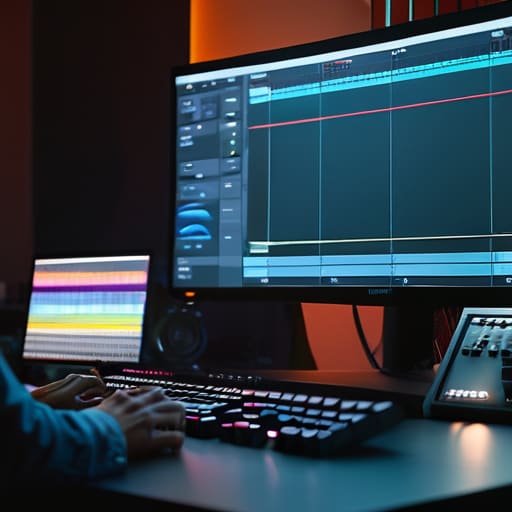
You have to stop treating your timeline like a digital scrapbook and start treating it like a puzzle. Most people make the mistake of looking for the “best” shot—the one where the lighting hit the subject just right or the focus was tack-sharp. But a beautiful shot that doesn’t move the needle is just expensive wallpaper. To actually get somewhere, you need to start identifying key emotional beats within the chaos. I’ve spent more nights than I care to admit staring at a mess of clips, realizing that the real story wasn’t in the planned interview, but in the way a subject looked away for three seconds before answering a difficult question.
This is where the real work of post-production story development begins. It isn’t about finding a pre-packaged plot; it’s about seeing the connections between disparate moments. You aren’t just looking for action; you are looking for the friction. When you’re organizing raw footage for storytelling, don’t just sort by camera angle or scene number. Sort by feeling. If a clip feels heavy, or tense, or strangely quiet, tag it. That’s your compass. The narrative isn’t in the script anymore; it’s in the gaps between what was said and what was shown.
Key Things to Know
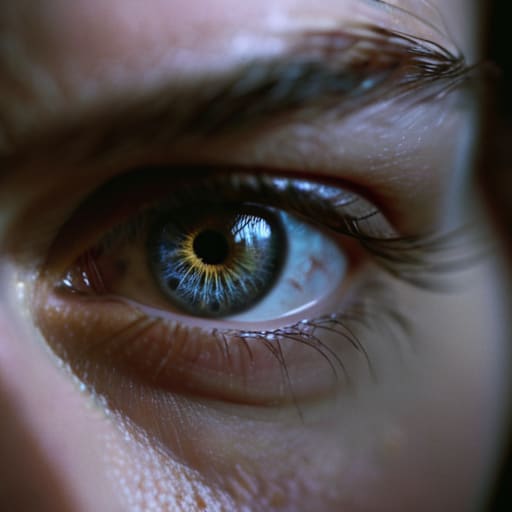
First, stop treating your timeline like a graveyard of “good shots.” A beautiful close-up of a subject looking thoughtful is useless if it doesn’t move the needle of the scene. You need to be identifying key emotional beats—that split second where a character’s expression shifts or a silence becomes heavy. That is where the truth lives. If you aren’t looking for the subtext in the eyes or the way a hand trembles, you’re just making a slideshow, not a film.
Second, you have to respect the architecture of the edit. I’ve seen plenty of beginners drown in their own rushes because they didn’t spend the time organizing raw footage for storytelling before they even touched a transition. You can’t find a rhythm if you’re still digging through folders for a specific take. It’s about building a foundation. Whether you’re using heavy-handed documentary editing techniques or something more subtle, you need to know which clips are your anchors and which ones are just decoration. If the clip doesn’t serve the character or the conflict, get it off my timeline.
Practical Tips and Steps

First, stop treating your timeline like a chronological scrapbook. If you’re just laying clips down in the order they were filmed, you aren’t editing; you’re just documenting. You need to start organizing raw footage for storytelling by grouping it into emotional buckets rather than time stamps. I like to pull out every clip that captures a specific reaction—a glance, a nervous twitch, or a heavy silence—and set them aside. When you actually sit down to build the sequence, you aren’t looking for the “best” shot; you’re looking for the one that moves the needle.
Once you have your clusters, look for the connective tissue. This is where you move beyond simple assembly and start identifying key emotional beats that dictate the rhythm of the scene. If a sequence feels stagnant, it’s usually because you’re waiting for the action to happen instead of using the footage to create it. Don’t be afraid to cut away from the primary subject to a detail shot to land a point. Sometimes the story isn’t in what the person says, but in the way the light hits the dust in the room right after they stop talking.
Common Mistakes to Avoid

The biggest mistake I see—and I’ve watched it happen in rooms from high-end suites to bedroom setups—is falling in love with the “hero shot.” You’ll have a beautifully lit, perfectly framed wide that looks like a painting, and you’ll cling to it because it was hard to get. But if that shot doesn’t serve the sequence, it’s just expensive wallpaper. You need to stop prioritizing aesthetics over utility. If you aren’t identifying key emotional beats that actually move the needle, you’re just making a slideshow. A mediocre shot that captures a genuine, unscripted reaction is worth ten “perfect” shots that tell us nothing about the character’s internal state.
Another trap is the lack of discipline during the assembly phase. People dive straight into the flashy stuff before they’ve even mastered organizing raw footage for storytelling. They try to force a rhythm through music or heavy effects because they haven’t actually found the spine of the piece. You can’t manufacture a narrative arc in the final ten minutes of a color grade; if the structure isn’t there in the rough cut, no amount of fancy transitions will save you. Don’t try to edit your way out of a bad story.
Final Thoughts
At the end of the day, don’t let the technicalities of your delivery format or the resolution of your files distract you from the actual work. You can have the most beautifully lit 8K image in the world, but if you haven’t spent the time identifying key emotional beats, you’re just making a very expensive slideshow. The craft isn’t in the gear; it’s in the patience you show when you’re sitting in a dark room, staring at a timeline, trying to figure out why a scene isn’t breathing.
I’ve spent decades watching people rush through the assembly, hoping a fancy transition or a heavy-handed score will do the heavy lifting for them. It won’t. Real post-production story development is a slow, often frustrating process of trial and error. It’s about stripping away the fluff until only the truth remains. Stop worrying about whether you have enough coverage and start focusing on whether you have enough meaning. If the footage doesn’t move you, no amount of color grading or clever montage is going to save it.
Five ways to stop watching clips and start seeing the edit
- Look for the reaction, not just the action. You’ll spend half your time staring at the person speaking or the person doing the thing, but the story usually lives in the person watching. If you don’t have the reaction shot, you don’t have a scene; you just have a lecture.
- Check your coverage for continuity of movement, not just continuity of costume. I don’t care if the shirt looks the same if the actor’s momentum is broken. Find the clips where the energy flows from one shot to the next; that’s where the rhythm of the story is hiding.
- Prioritize the “accidental” moments. Sometimes the best piece of story is that three-second beat where a subject looks away or sighs right after the scripted line. Those unscripted breaths are the connective tissue that makes a sequence feel human instead of manufactured.
- Listen to the room, even if you’re looking at the picture. If you’re sifting through footage, pay attention to the ambient texture. A clip might look beautiful, but if the sonic environment is dead or distracting, it’s going to fight your narrative. The story is as much about the space between the words as the words themselves.
- Hunt for the “why” in the eyes. When you’re scanning a timeline, stop looking for the sharpest focus and start looking for the intent. If the subject’s eyes aren’t telling you what they’re feeling, no amount of color grading or fancy transitions is going to make that footage tell a story.
The Bottom Line
Stop obsessing over the resolution or the sensor specs; if the footage doesn’t have a clear sense of movement or a character’s intent, a better camera won’t save the edit.
Look for the coverage that actually allows for a cut—I’d much rather have a slightly grainy shot that connects two beats than a pristine, high-bitrate clip that has nowhere to go.
The story isn’t in the gear you bought, it’s in the moments you caught between the setups, so learn to recognize the rhythm of a scene before you even touch the playback button.
The Truth in the Edit
You can spend all day obsessing over whether your sensor captured enough dynamic range, but if you aren’t looking for the micro-expressions and the way a character’s weight shifts when they lie, you aren’t filming a story—you’re just collecting high-resolution evidence of a wasted afternoon.
Gethin Moreau
The Long View
At the end of the day, finding the story isn’t about waiting for a miracle shot to fall into your lap; it’s about the discipline of looking for the connective tissue. You’ve learned that it’s not just about the wide shot or the close-up, but how those pieces talk to one another. It’s about recognizing that a slightly out-of-focus moment or a piece of B-roll that felt like a mistake on set might actually be the very thing that provides the emotional beat you were missing. Stop obsessing over whether the sensor captured every bit of detail and start asking if the footage actually serves the edit. If it doesn’t help you move the narrative forward, it’s just expensive digital clutter.
I’ve spent more years than I care to admit staring at monitors, and if there is one thing I’ve learned, it’s that the story is often much smaller and quieter than you think it is. It’s hidden in the pauses, the glances, and the way the light hits a subject when they think the camera isn’t rolling. Don’t let the pursuit of technical perfection blind you to the human truth sitting right there in the timeline. Put down the spec sheets, ignore the gear forums for a second, and just watch what happened. The story is already there; you just have to be patient enough to let it show itself.
