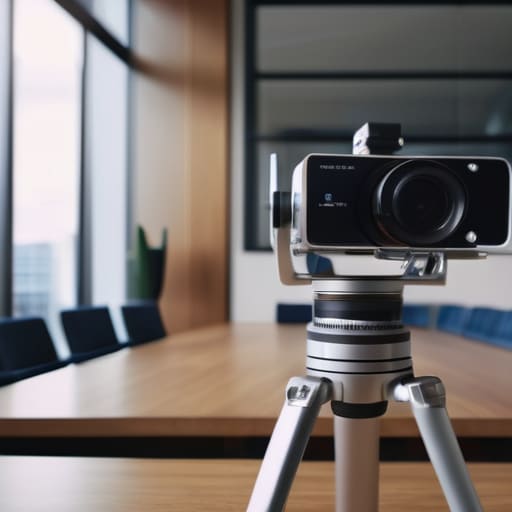
I once spent four hours on a corporate shoot in a windowless boardroom, watching a kid half my age try to “fix” a muddy, flickering image by swapping out a cinema camera for the third time that morning. He had a sensor that could probably see into the next dimension, but he hadn’t even bothered to check if the overhead fluorescents were killing his skin tones. That’s the problem with most people looking for a complete guide to corporate video; they think the solution is a bigger credit card limit rather than a better understanding of where the light is coming from.
I’m not here to sell you a dream of Hollywood magic on a marketing budget, nor am I going to bore you with a gear list that costs more than a mid-sized sedan. Instead, I’m going to give you the practical reality of how to actually build a piece of content that works. We’re going to talk about blocking, the importance of coverage that an editor can actually use, and how to use what you already have to create something that looks intentional rather than accidental.
Understanding Complete Guide to Corporate Video

Before you even think about picking up a camera or hiring a crew, you need to understand that a successful project isn’t built on a fancy lens; it’s built on a clear understanding of what the hell you’re actually trying to achieve. Most people treat a video like a standalone event, but it’s actually just one moving part of a larger video marketing strategy for business. If you don’t know whether you’re trying to build trust with a new client or explain a complex software update to an existing one, you’re just making expensive wallpaper.
To avoid the kind of chaos that keeps me up at night, you have to respect the corporate video production process from the ground up. This means moving past the “just film it” mentality and actually sitting down to define the narrative. You need to know who is signing the checks and what they consider a win. Without a solid foundation of video stakeholder management—essentially making sure the people paying for the thing actually agree on what the thing is—you’ll find yourself in a loop of endless revisions that no amount of color grading can fix.
Key Things to Know
Before you even think about renting a lens or booking a talent, you need to understand that a corporate video isn’t a piece of art for the sake of art; it’s a tool. If the light is beautiful but the message is buried under three layers of corporate jargon, you’ve failed. You have to look at the video marketing strategy for business behind the request. Are we trying to build trust with investors, or are we trying to stop a mid-level manager from scrolling past an ad? If you don’t know the answer to that, you’re just moving expensive lights around a room for no reason.
Success usually lives or dies in the boring stuff. I’ve seen shoots fall apart because someone skipped a proper pre-production checklist for corporate films, leaving the crew to figure out the power requirements or the interview locations on the fly. You need to nail the logistics before the sun moves or the client changes their mind. This means managing expectations and knowing exactly who has the final say—because nothing kills a creative momentum faster than a sudden bout of video stakeholder management issues during the first setup.
Practical Tips and Steps
Start with the prep, not the gear. Most people jump straight to choosing a camera, but if you haven’t built a solid pre-production checklist for corporate films, you’re just planning to fail more expensively. I’ve seen crews show up with cinema rigs only to realize they haven’t scouted the location or checked if the windows will wash out their subject by noon. Sit down with the client, map out the story, and figure out exactly what the footage needs to do for them. If you don’t know the goal, you’re just moving lights around in the dark.
Once you’re on set, focus on coverage that actually works for the edit. A common mistake in the corporate video production process is filming one long, beautiful master shot and nothing else. You need the close-ups, the cutaways, and the b-roll to bridge the gaps when the speaker stumbles. If you don’t give your editor the pieces they need to build a coherent narrative, no amount of color grading is going to fix a broken story. Plan for the cuts before you even hit record.
Common Mistakes to Avoid
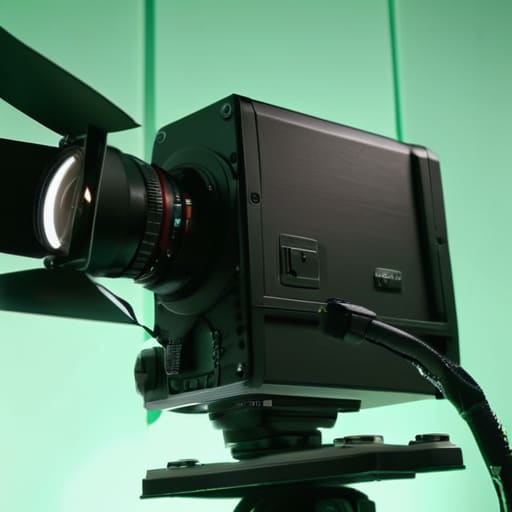
The biggest mistake I see isn’t a lack of talent; it’s a lack of discipline during the corporate video production process. People rush into the shoot thinking they can “fix it in post,” as if a colorist is a magician who can conjure depth out of a flat, poorly lit room. If your subject is standing three feet from a white wall with a single overhead fluorescent light killing their eyes, no amount of expensive software will save the shot. You need to respect the light and the distance before you ever hit record.
Another pitfall is treating the project like a vacuum. I’ve seen too many crews nail the technicals but fail miserably at video stakeholder management. You can have the most beautiful, cinematic footage in the world, but if it doesn’t align with the client’s actual goals or if you haven’t cleared the vision with the decision-makers early on, you’re just making expensive art that won’t be used. Don’t let a beautiful image go to waste because you forgot to ask what the business actually needs to achieve.
Final Thoughts
At the end of the day, a finished file sitting on a hard drive isn’t a success just because the resolution is high or the frame rate is cinematic. If the message gets lost in the lighting or the pacing drags because you didn’t plan your coverage, you’ve wasted everyone’s time. A decent video marketing strategy for business isn’t built on flashy transitions; it’s built on the discipline of knowing exactly what you need to communicate before you even touch a power switch.
I’ve seen plenty of productions fall apart because they ignored the post-production workflow and editing requirements during the shoot. They captured beautiful, isolated shots that simply couldn’t be stitched together into a coherent story. Don’t let that be you. Treat your shoot like a puzzle you’re building in reverse. If you focus on the light, the blocking, and the intent, the technical side will eventually fall into place. Everything else is just window dressing.
Five things that actually matter when the client is watching
- Stop obsessing over the 4K resolution and start looking at the windows. If you’re shooting a CEO in a glass-walled boardroom without a way to control that backlight, you aren’t making a professional video; you’re making a silhouette. Control your light sources before you even think about hitting record.
- Plan your coverage for the edit, not just for the shot. I’ve seen too many corporate shoots where they get one “hero” shot of a person talking and then nothing else. If you don’t have the B-roll—the hands working, the wide shot of the office, the close-up of the product—you’re going to be staring at a boring, static talking head that no amount of fancy transitions can fix.
- Audio is the silent killer of corporate credibility. People will forgive a slightly grainy image if the story is good, but they will turn off a video in ten seconds if the audio is echoing or thin. Get the mic as close to the subject as the blocking allows. A cheap lavalier placed correctly beats a $2,000 shotgun mic ten feet away every single time.
- Respect the subject’s time by rehearsing the blocking. Corporate subjects are rarely actors; they are often nervous professionals. Don’t just show up and say “action.” Walk them through where to stand, where to look, and how to move. If they feel comfortable in the space, the performance—or at least the lack of awkwardness—will be much better.
- Don’t fall into the “gear trap” during pre-production. I see producers spending half the budget on a cinema lens package when they should have spent it on a better lighting kit or a more experienced grip. A great image comes from how you use what you have, not from how much debt you can accrue to rent a sensor that’s overkill for a training video.
The Bottom Line
Stop looking for a magic camera to fix a bad concept; a well-lit room and a clear plan for your shots will always beat a high-end sensor used poorly.
Coverage is your insurance policy; if you don’t shoot enough angles and get the necessary close-ups during the setup, no amount of editing can fix a scene that can’t be cut.
Respect the light and the distance; most “unprofessional” corporate videos aren’t failing because of the resolution, they’re failing because the subject is swallowed by shadows or lost in a cluttered background.
The Myth of the Gear-Driven Result
A “complete guide” to corporate video isn’t a checklist of software or a shopping list of 8K sensors; it’s the realization that if you don’t understand how light hits a face or how a well-timed cut serves the story, you’re just making expensive noise. You can buy every gadget on the market, but you can’t buy the sense to know when to stop moving the tripod and start looking at the shadows.
Gethin Moreau
The Bottom Line
At the end of the day, a successful corporate video isn’t about having the highest bit rate or the most expensive gimbal setup. It’s about the fundamentals we’ve talked about: understanding your objective, planning your coverage so you don’t run out of options in the edit, and realizing that bad lighting is much harder to fix than a bad lens choice. If you focus on the message, manage your logistics, and respect the distance between your subject and the camera, you’ll already be ahead of ninety percent of the people currently clicking “record.” Stop looking for the magic sensor and start looking for the light and the logic behind the shot.
I’ve spent more than two decades watching technology evolve from heavy film magazines to silent, lightweight digital sensors, and if there is one thing I’ve learned, it’s that the gear is just a tool, not the craftsman. You can buy every accessory on the market, but you cannot purchase the ability to tell a coherent story or the patience to wait for the right moment when the sun hits a window just right. Go out there, use what you have, and remember that the most important piece of equipment in the room is always your own eye. The work is what remains long after the specs are obsolete.
