
I remember a shoot in a cramped basement in South Wales—no grip truck, no gaffer, just me, a sound guy who looked like he’d rather be anywhere else, and a director who thought we could shoot a period piece with a single LED panel and a prayer. Everyone thinks the secret to success is a better kit list or a more streamlined digital workflow, but that’s nonsense. When you’re figuring out how to work with a small crew, the real challenge isn’t the tech; it’s the fact that you don’t have a dedicated person to move the stands when the light shifts or to fix the focus when the actor moves two inches too far left.
I’m not here to sell you on a new piece of software or a more expensive sensor that promises to “simplify” your life. I’ve spent twenty-three years learning that efficiency is born from preparation, not from having more hands on deck. In this piece, I’m going to show you how to prioritize coverage, manage your light without a lighting department, and—most importantly—how to keep your sanity when the schedule starts slipping. We’re going to talk about practicality over prestige, because at the end of the day, the footage doesn’t care how many people were on set; it only cares if you knew what you were doing.
Understanding How to Work With a Small Crew
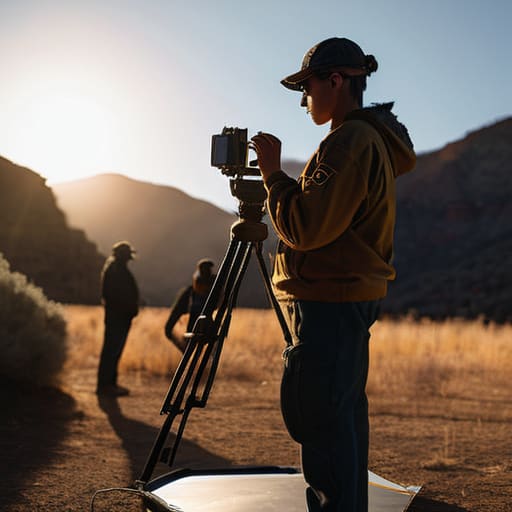
When you’re working with a skeleton crew, the first thing you have to accept is that the hierarchy isn’t going to look like a traditional call sheet. You don’t have the luxury of a dedicated person for every single task, which means multitasking in small teams isn’t just a buzzword; it’s the only way you’re getting through the day without losing the light. I’ve seen productions stall because everyone was waiting for a “specialist” to arrive, only to realize that the specialist was actually the person currently holding the boom pole.
Efficiency on a lean set comes down to knowing exactly who can do what before you even arrive on location. It’s about smart resource allocation strategies—deciding, for instance, that your AC is also going to help with basic grip work, or that your sound mixer might need to help move a light stand if the sun is dipping. You aren’t looking for people who only know one narrow slice of the craft; you’re looking for people who understand the rhythm of a set and can pivot when the plan inevitably goes sideways.
Key Things to Know
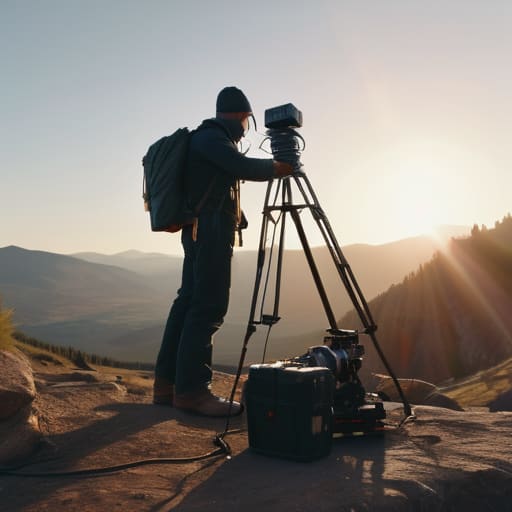
First, you have to accept that the lines between roles are going to blur, and that’s fine. In a big union house, the AC doesn’t touch the lights and the DIT doesn’t look at the grip truck, but on a lean set, everyone needs to be useful. This isn’t about multitasking in small teams just to stay busy; it’s about survival. If your sound mixer knows how to grab a C-stand or your assistant can help move a heavy tripod, you aren’t just being efficient—you’re making sure the shoot doesn’t grind to a halt because one person had to step away for a coffee.
The real secret to lean team management isn’t about working people harder; it’s about knowing exactly who can do what before the first light is even rigged. I’ve seen productions crumble because the director expected a three-person camera department when they only had one person and a dream. You need to map out your workload distribution techniques during pre-production. If you know the sun is going to drop at 4:00 PM, you shouldn’t be figuring out who is moving the reflectors at 3:45. Plan for the friction, or the friction will eat your schedule.
Practical Tips and Steps
First, stop treating your gear list like a shopping list and start treating it like a logistics puzzle. When you don’t have a dedicated grip or a second AC, you can’t afford to spend forty minutes hunting for a C-stand that someone left in the back of the van. You need to implement some basic resource allocation strategies before the first light is even rigged. This means knowing exactly who is responsible for what, even if that person is wearing three different hats. If the DP is also the person pulling focus and managing the battery swaps, you better have a plan for when the sun starts moving, or you’re going to lose the light while you’re still wrestling with a tripod.
Second, embrace the necessity of multitasking in small teams, but do it with intention. I’ve seen too many lean sets fall apart because everyone is trying to do everything at once without a clear sense of priority. You don’t need everyone to be a master of every craft, but you do need a bit of cross-training so the production doesn’t grind to a halt because the only person who knows how to patch a cable just went to lunch. Focus on the coverage first; if you haven’t secured your master shot, nobody should be worrying about the subtle nuances of a lens flare.
Common Mistakes to Avoid
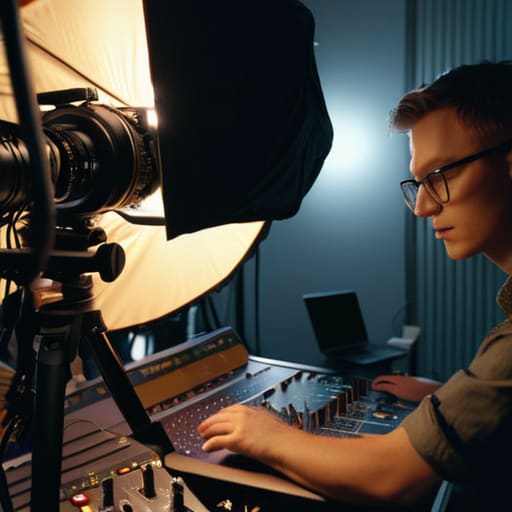
The biggest mistake I see is the assumption that a small crew means everyone should be a jack-of-all-trades. There is a fine line between efficient multitasking in small teams and simply creating a chaotic environment where nobody knows who is responsible for what. I’ve seen productions stall because the DP was trying to act as the gaffer, the sound mixer, and the data wrangler all at once. When you try to do everything, you end up doing nothing well. You don’t get better coverage by having one person hold three different roles; you just get a tired person and a messy shot list.
Another trap is failing to plan your resource allocation strategies before the first light is even rigged. People think they can wing it because the team is lean, but that’s when the wheels fall off. If you haven’t decided ahead of time who is moving the stands and who is checking the gate, you’ll spend half your day arguing about logistics instead of capturing the scene. Don’t mistake a lack of personnel for a lack of structure. A small crew requires more discipline, not less.
Final Thoughts
At the end of the day, a small crew isn’t a handicap; it’s a filter that strips away the ego and leaves you with the work. You’ll find that lean team management forces a level of intentionality that a fifty-person union set rarely demands. When there’s no one to hide behind, you can’t blame a bad shot on a lighting tech who wasn’t listening or a grip who was out of position. You either saw the light, or you didn’t.
If you want to survive these kinds of productions without burning out, stop looking for more hands and start looking at your workload distribution techniques. It’s about knowing who can pick up a boom when the sound mixer needs a break, or how to move the camera without waiting for a dedicated dolly grip to arrive. It isn’t about constant multitasking—that’s just a fast way to make mistakes—it’s about maximizing team productivity through shared situational awareness. Keep your setups simple, keep your light motivated, and remember that the best tool you have isn’t in your kit; it’s the person standing next to you.
Five ways to keep the ship from sinking
- Prioritize the light over the lens. When you don’t have a dedicated grip team to move heavy stands or shape shadows, you can’t afford to spend forty minutes debating focal lengths. Pick a light source that works with the room, set it, and move on. If you spend your limited energy fighting the architecture instead of using it, you’ll be chasing the sun before you’ve even finished your first setup.
- Plan your coverage for the edit, not the ego. On a big set, you can afford to be indulgent with coverage. On a small crew, every extra angle is a tax on your time and your remaining sanity. I’ve seen too many people try to shoot a cinematic master, a medium, and a close-up for every single beat, only to realize they’ve run out of daylight before they even hit the second scene. Know what you actually need to tell the story and stop shooting for the sake of “having it.”
- Stop obsessing over the gear list and start looking at the floor. A small crew means fewer hands to move things. If your setup requires six different modifiers and a tripod that needs constant recalibration, you’re setting yourself up for failure. I’d much rather see a simple, motivated light source and a steady hand than a high-end rig that requires a three-man team just to change a battery.
- Communicate the “why,” not just the “what.” When you’re working with a tiny team, everyone is wearing three hats. The person holding the boom might also be your assistant director. If you just bark orders, you lose the rhythm. If you explain that “we need this light low because we’re trying to catch the texture of the wall,” they understand the goal and can help you troubleshoot the physics of the room rather than just following instructions blindly.
- Respect the fatigue factor. There is a specific kind of exhaustion that comes from being the DP, the loader, and the guy making sure the cables don’t trip the talent. When the crew is small, the mental load is heavier. If you see the energy dipping, don’t push for one more “perfect” shot. Take five minutes, grab a coffee, and regroup. A tired crew makes mistakes, and on a small set, there’s no one else to catch them.
The Bottom Line
Stop looking for a magic camera to fix a lack of hands; if you haven’t mastered where to place your light and how to block a scene with three people, a bigger sensor won’t save you.
Coverage is your insurance policy—when you’re short-staffed, you can’t afford to be precious about every single shot, so plan your angles to ensure you actually have enough material to build a story in the edit.
Respect the clock and the fatigue; a small crew means everyone is wearing multiple hats, so prioritize the shots that matter most before the energy—or the natural light—runs out.
The Reality of the Lean Set
When you’ve only got three people on set, you don’t have the luxury of waiting for the perfect lens to arrive or debating the merits of a new sensor; you have to learn how to move the light, find the angle, and make decisions before the sun moves or the talent loses interest.
Gethin Moreau
The View from the Monitor
At the end of the day, working with a small crew isn’t about finding a way to do everything; it’s about deciding what actually matters. We’ve talked about the necessity of prep, the discipline of coverage, and the reality that you can’t fix a lack of planning in post-production. If you spend your time obsessing over whether you have the latest wireless follow-focus when you haven’t even figured out where your key light is going to sit, you’ve already lost the battle. Success on a lean set comes down to managing your energy and knowing that simplicity is a choice, not a compromise. If you can cover the story, keep the talent comfortable, and respect the clock, you’ve done more than half the people working on much larger productions.
I’ve stood on sets with fifty people where nothing got done because everyone was waiting for someone else to move a sandbag. Then I’ve been on sets with three people where the light was perfect and the shots were seamless because we actually knew why we were there. Don’t let the lack of a grip truck or a dedicated DIT make you feel like an amateur. The camera is just a box that records what you put in front of it; the magic happens in the decisions you make when the sun is dropping and the budget is thin. Stop looking for the gear that will save you and start looking for the discipline that will sustain you. That’s where the real work begins.
