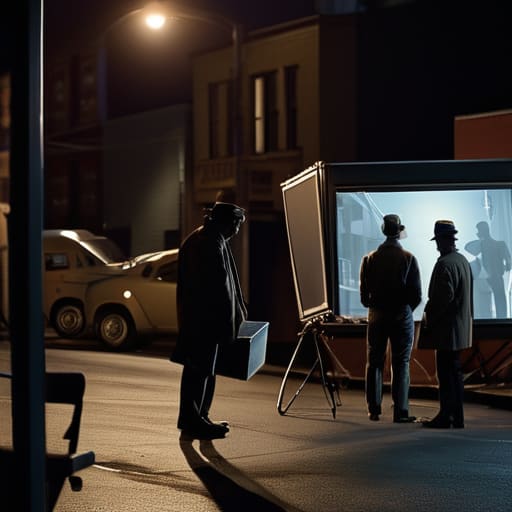
I remember a shoot in a cramped, windowless studio back in ’98, where the director spent three hours arguing about which anamorphic lens would give us the “right” flare, while the actors stood like statues, completely disconnected from the space. We had a grip truck full of glass, but we had zero plan for the movement within the frame. That’s the trap a lot of you fall into today—thinking that a more expensive sensor or a sharper lens will fix a stagnant performance. The truth is, no amount of 8K resolution can compensate for a lack of intention in the physical space; you need to understand how blocking shapes a scene before you even think about touching the focus ring.
I’m not here to sell you a gear list or talk about bit depth. I want to talk about the geometry of the room and why the distance between two people tells a story more effectively than any color grade ever could. I’m going to show you how to use movement to create tension, how to position your actors so the edit actually breathes, and why a well-blocked scene is the only thing that will save your production when the budget inevitably runs dry.
Beyond the Lens How Blocking Shapes a Scene
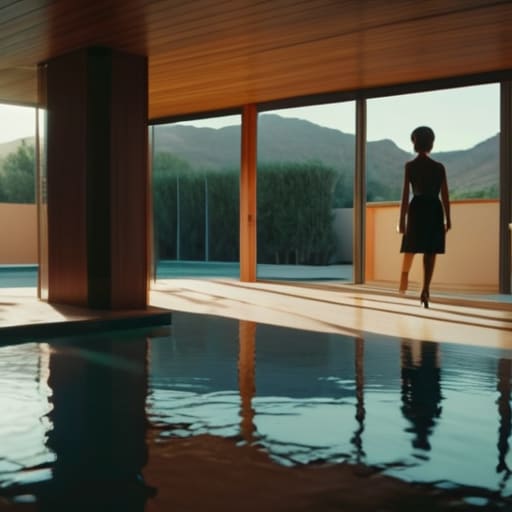
You can have the most expensive Arri Alexa in the world, but if your actors are just standing in a line like they’re waiting for a bus, you aren’t making a movie; you’re recording a lecture. Real visual storytelling through movement happens in the space between the players. When I’m looking at a script, I’m not looking for camera angles yet; I’m looking for the tension in the room. If two characters are arguing, I want to see how their physical distance changes the temperature of the scene. A character who retreats into the shadows of a room isn’t just moving; they are communicating a shift in power that no lens flare or shallow depth of field can manufacture.
This is where you actually begin to manage character dynamics and spatial relationships. If a character is feeling isolated, you don’t just zoom in; you place them far from the light source or against a massive, empty wall. You use the physical environment to dictate the emotional weight. By the time I actually pick up the camera, the story should already be told by where the bodies are placed in the frame.
Visual Storytelling Through Movement and Intentionality
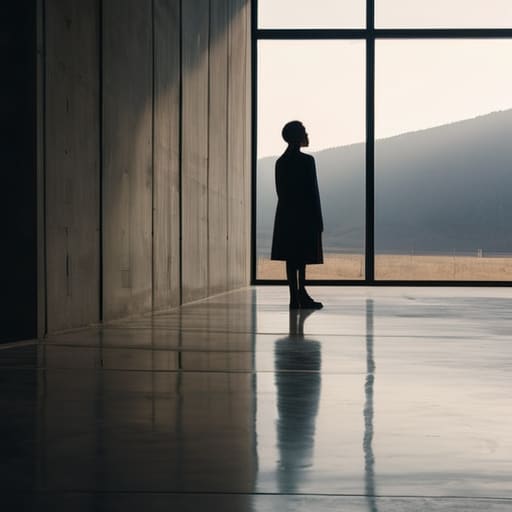
Movement shouldn’t be something you add in post or a frantic pan to catch an actor walking out of frame. It’s about the tension between the subject and the space they inhabit. When I’m looking at a script, I’m not thinking about a dolly track first; I’m thinking about the character dynamics and spatial relationships that dictate how much air needs to be between two people. If two characters are arguing, you can keep them tight in a two-shot to feel the claustrophobia, or you can use distance to show the emotional rift. The movement of the actors—not just the camera—is what dictates the energy of the frame.
If you treat blocking as a chore rather than a tool for visual storytelling through movement, you’ll end up with static, lifeless shots that feel like they were filmed by someone reading a manual. I’ve seen plenty of kids try to hide a lack of direction by moving the gimbal constantly, but it never works. True intent comes from staging actors for dramatic effect so that their physical path tells the story before they even speak a line. If they move toward the light, they’re finding truth; if they retreat into the shadows, they’re hiding. That’s the work.
Solving Distance With Character Dynamics and Spatial Relationships
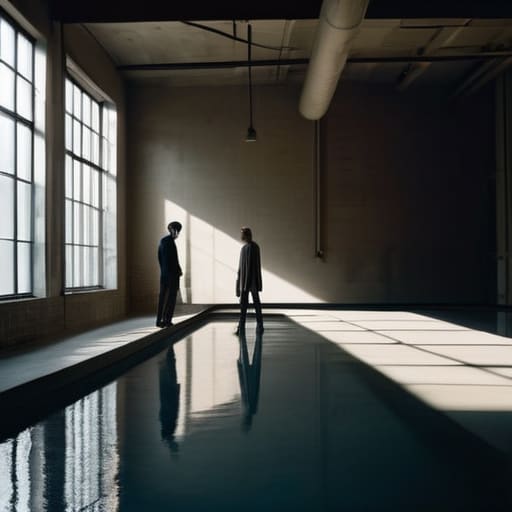
I’ve spent enough time on sets to know that a scene usually falls apart in the edit not because the lighting was wrong, but because the actors were standing in a way that made the cuts impossible. When you focus purely on the frame, you lose sight of the air between people. You have to understand character dynamics and spatial relationships before you even think about which lens to mount. If two characters are in a heated argument, their physical distance tells the story more effectively than any close-up ever could. If they’re three feet apart, the tension is a wire; if they’re ten, it’s a void.
The mistake I see most often is treating actors like static props within a composition. Real visual storytelling through movement happens when you use the space to signal shifts in power. If one character is standing while the other is seated, or if one is constantly encroaching on the other’s personal bubble, you are using mise-en-scène and actor positioning to do the heavy lifting for you. It’s much more efficient to let the physical distance dictate the emotional beat than to try and fix a lack of tension with a digital zoom in post.
The Relationship Between Blocking and Cinematography
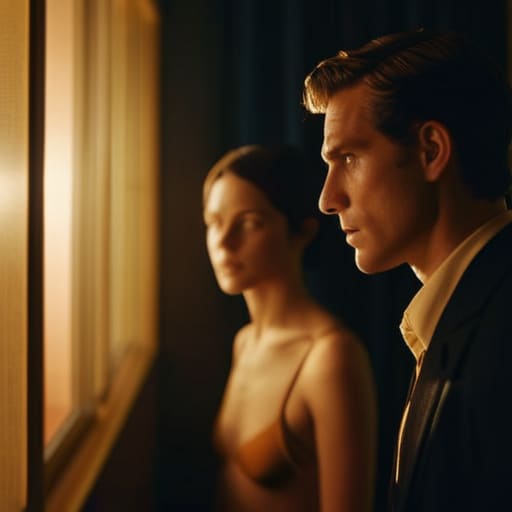
I’ve spent enough time on sets to know that the camera doesn’t exist in a vacuum; it’s a guest in the room the actors have already built. You can have the most expensive anamorphic glass in the world, but if you don’t understand the relationship between blocking and cinematography, you’re just documenting movement rather than directing it. I don’t look at a script and think about focal lengths first. I look at where the light is coming from, then I look at where the characters need to stand to keep that light on their eyes while still telling the story through their proximity to one another.
When we talk about mise-en-scène and actor positioning, we’re really talking about the architecture of the shot. If a character moves from the shadows into a pool of practical light, that’s a choice that dictates my entire setup. My job isn’t just to follow them; it’s to anticipate the geometry of their path so the composition remains intentional. If the blocking is sloppy, the cinematography will feel reactive and frantic, no matter how steady your tripod is.
Staging Actors for Dramatic Effect and Precise Mise en Scne
When you’re standing on a set, it’s easy to get caught up in the technicalities of the sensor or the sharpness of the glass, but the real heavy lifting happens in the space between the actors. Staging actors for dramatic effect isn’t about making them look pretty in a frame; it’s about using their physical presence to dictate the tension. If two characters are arguing and you place them at opposite ends of a long, dimly lit table, you aren’t just showing distance—you’re showing a rift that no amount of color grading can bridge later. You use the geometry of the room to tell the audience who holds the power before a single line of dialogue is even spoken.
This is where mise-en-scène and actor positioning actually meet the practical reality of the shot. I’ve seen too many directors try to fix a lack of emotional stakes by zooming in for a tight close-up, but if the blocking hasn’t established the internal hierarchy of the scene, that close-up just feels unearned. You have to treat the physical environment as a character itself. By carefully managing how bodies intersect or avoid one another within the frame, you create a roadmap for the editor, ensuring the visual storytelling through movement feels inevitable rather than accidental.
Mastering Cinematic Composition Techniques Without Expensive Gear
I’ve spent half my life watching people stare at spec sheets for a new sensor, hoping it will somehow fix a scene that feels hollow. It won’t. You can buy a camera that captures every pore on an actor’s face, but if you haven’t mastered the basics of mise-en-scène and actor positioning, you’re just recording expensive nothingness. Real cinematic composition techniques don’t live in the glass or the sensor; they live in the floor plan. I’ve shot some of my most meaningful work on cameras that would be considered toys today, simply because I knew how to use a doorway to frame a character or how to use a long hallway to emphasize their isolation.
When you stop obsessing over bit depth and start looking at how a character’s movement through a room dictates the energy of a shot, the work changes. You begin to see that visual storytelling through movement is about how a person occupies space, not how much bokeh you can squeeze out of a prime lens. If you can’t make a scene work with a single light and a well-placed chair, a $50,000 kit isn’t going to save you from a boring edit.
Five Ways to Stop Treating Your Actors Like Statues
- Block for the cut, not just the shot. I’ve seen too many beginners set up a beautiful close-up only to realize they have no way to transition back to the wide without a jump cut that feels like a glitch. If you aren’t planning the path from point A to point B, you aren’t directing; you’re just taking pictures.
- Use depth to manufacture tension. If two characters are arguing, don’t just sit them side-by-side like they’re on a talk show. Put one in the foreground, slightly out of focus, and the other ten feet back in a pool of practical light. The physical distance between them tells the audience more about their relationship than any line of dialogue ever could.
- Respect the light before you move the feet. You can have the most brilliant blocking in the world, but if your actor walks out of the key light the moment they turn to face their partner, you’ve wasted the take. I always look at where the light is falling first; the actors’ movement should be a dance within those boundaries, not a battle against them.
- Stop relying on the zoom to create emotion. A cheap way to manufacture “drama” is to zoom in tight when someone gets upset, but it’s lazy. Instead, block the actor to move into the frame or toward the lens. Physical movement toward the camera creates a sense of intimacy or intrusion that a digital zoom simply can’t replicate.
- Use the environment to dictate the energy. If a scene feels stagnant, it’s usually because the characters are static. Give them something to do—a reason to cross the room, to lean against a counter, or to pace. Movement creates a natural rhythm that gives you more coverage and, more importantly, gives the editor something to actually work with.
The Bottom Line
Stop looking at your gear list to fix a static scene; if the energy isn’t there, it’s because your actors are standing in the wrong places, not because your sensor is too small.
Always block with the edit in mind, ensuring you have the spatial continuity and the necessary coverage to actually make a cut that doesn’t feel like a jump.
Light is your first priority, but blocking is how you control where that light hits; use the movement of your subjects to navigate the shadows rather than trying to blast the whole room with a key light.
The Lie of the Lens
You can buy a cinema camera that captures every pore on an actor’s face, but if you haven’t blocked them to respect the space between their emotion and the lens, you’re just filming expensive nothing. A beautiful shot is useless if the geometry of the movement doesn’t give the editor a way to tell the story.
Gethin Moreau
The Long View
At the end of the day, we’ve covered a lot of ground, but it all boils down to the same truth: a well-placed light and a smart piece of blocking will do more for your story than a $50,000 sensor ever could. We talked about using spatial relationships to define character, how to move your actors to create a path for the edit, and why the geometry of a scene matters more than the spec sheet of your camera. If you understand how distance, intent, and physical placement dictate the emotional temperature of a room, you aren’t just recording images; you are constructing a narrative that can actually be felt.
Don’t get caught up in the gear treadmill. I’ve spent decades watching people buy their way out of problems that could have been solved by simply asking an actor to take two steps to the left or moving a key light six inches higher. The most powerful tool in your kit isn’t something you can rent from a warehouse; it is your ability to see the space between the people and the lens. Stop looking at the menu on your monitor and start looking at the geometry of the room. That is where the real filmmaking happens.
