
I spent three weeks on a documentary in the Highlands last year, watching a kid with a brand-new cinema rig try to fix a mismatched scene by downloading yet another LUT. He thought he could buy his way out of a continuity error, but you can’t fix a fundamental misunderstanding of light with a software plugin. People spend thousands of dollars chasing a “signature style” through sensor specs and color science, completely ignoring the fact that learning how to build a consistent look has almost nothing to do with the camera in your hands and everything to do with how you treat your light sources.
I’m not here to sell you a gear list or a magic recipe for a “filmic” preset. My promise is simpler: I’m going to talk to you about distance, placement, and patience. We’ll look at how to control your environment so the footage actually behaves when you get to the edit, and I’ll tell you which parts of your workflow are worth the effort and which are just expensive distractions. If you want to stop chasing the next upgrade and start actually seeing the frame, let’s get to work.
Understanding How to Build a Consistent Look
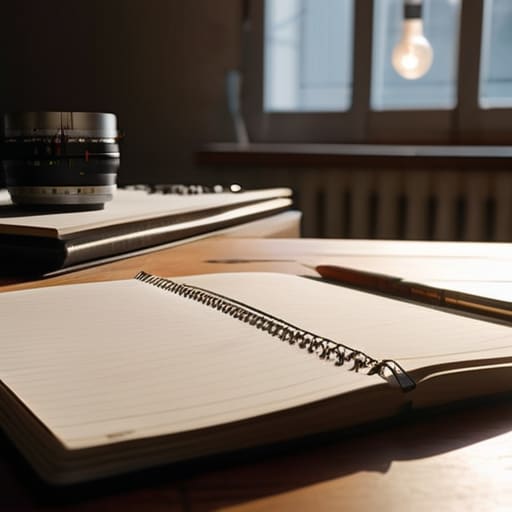
You don’t achieve a visual identity by buying a new LUT and hoping for the best. It’s more like defining personal aesthetic through a set of repeatable constraints. In my experience, consistency is born from the things you refuse to do. If you decide that your scenes always live in the soft, motivated light of a north-facing window, or that you’ll never shoot with a focal length shorter than 35mm, you’ve already done eighty percent of the work. You aren’t just picking a camera; you are establishing a set of rules that govern how light hits a subject and how much space exists between them.
It’s a bit like curating a capsule wardrobe for your frames. You don’t need a thousand different textures or a dozen different lighting rigs; you need a small, reliable kit of visual elements that work together every single time you hit record. If your lighting ratios are jumping from a high-key sitcom look to a moody noir setup between shots, no amount of post-production magic is going to stitch that together into something that feels intentional. You have to decide what your signature style elements are before the first light is even plugged in.
Key Things to Know
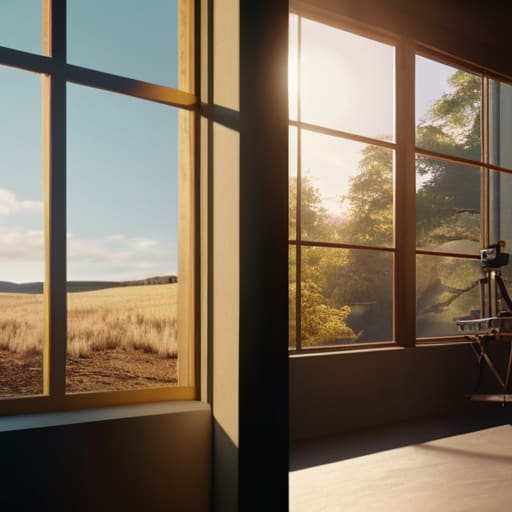
First, stop looking at the spec sheet and start looking at your light source. If you’re shooting one scene under harsh midday sun and the next under a soft, motivated window light without a plan, no amount of post-production is going to save you. Consistency is born from limiting your variables. I’ve seen kids try to fix a mismatched visual language in the grade, but a colorist is a magician, not a miracle worker. You need to decide on your light quality and color temperature before you even uncase the camera.
Second, think about your visual palette like someone curating a capsule wardrobe. In fashion, they pick a few reliable pieces that work together; in cinematography, you do the same with your focal lengths and exposure preferences. You aren’t just picking gear; you are defining a personal aesthetic through repetition. If you use a 35mm prime for your close-ups one day and a wide-angle zoom the next, the viewer will feel the jump, even if they can’t name it. Pick a tool, learn its flaws, and stick to it until the work demands otherwise.
Practical Tips and Steps

Start by locking down your light source before you even touch the power switch on your camera. If you’re shooting a series, you can’t just “wing it” based on how the room feels in the moment. Pick a primary light quality—say, a soft, motivated window light—and stick to it. I’ve seen people spend thousands on lenses only to ruin the continuity because they shifted from a hard tungsten source to a soft daylight source between setups. It’s not about the sensor; it’s about the consistency of the shadows.
Next, think about your visual language in terms of composition and palette. You might think you’re just filming a subject, but you’re actually defining personal aesthetic through the space between the lens and the actor. If you want a cohesive feel, treat your frame like a curated space. Much like the discipline of curating a capsule wardrobe to ensure every piece works together, you need to select a limited range of focal lengths and color temperatures that play nice with one another. If your kit is too broad, your work will feel scattered. Pick your tools, learn their quirks, and stop trying to fix a messy setup in post.
Common Mistakes to Avoid
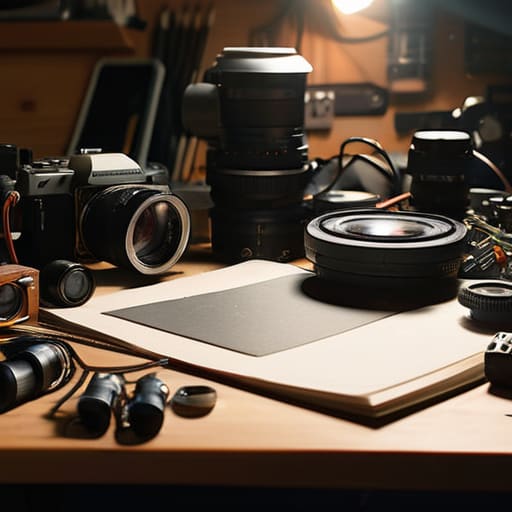
The biggest mistake I see is people trying to fix a lack of vision with a massive gear haul. They think if they buy that new sensor or a set of anamorphic lenses, their footage will suddenly feel unified. It won’t. You end up with a collection of expensive files that don’t talk to each other because you haven’t actually spent any time defining personal aesthetic before you hit record. You’re just collecting textures without a map.
Then there’s the obsession with the “perfect” LUT or a heavy-handed grade in post. I’ve seen enough footage to know that a colorist is a miracle worker, not a god; they can’t manufacture consistency if your lighting changes from a soft window to a harsh tungsten bulb every ten minutes. It’s like trying to build a cohesive wardrobe by throwing random designer pieces together without a color palette. If your lighting isn’t disciplined, no amount of digital manipulation will save you. Stop looking for a software solution to a physical lighting problem.
Final Thoughts
At the end of the day, stop looking at the spec sheets and start looking at your frames. You can own every piece of glass in the catalog, but if you haven’t decided what your image is actually supposed to say, you’re just collecting expensive paperweights. I’ve seen guys with REDs and Arris shoot footage that looks like a chaotic mess because they were too busy chasing sharpness to worry about the mood. Consistency isn’t something you buy in a box; it’s a discipline of repetition.
Think of it less like a technical checklist and more like defining personal aesthetic through a series of intentional choices. It’s a bit like curating a capsule wardrobe for your eyes—you decide on a few reliable textures, a specific way you treat your shadows, and a set of focal lengths that you trust. Once you have those pillars in place, you stop guessing. You stop wondering why the last scene feels like it belongs to a different movie. Just pick your tools, respect your light, and for heaven’s sake, have the patience to actually see what you’re doing.
Five ways to stop your footage from fighting itself
- Pick a focal length and stick to it. I’ve seen people jump from a 24mm to an 85mm in the same scene thinking they’re being “dynamic,” but all they’re doing is changing the compression and the relationship between the subject and the background. If you want a look, you need a perspective, not a scavenger hunt through your bag.
- Control your light sources like your life depends on it. Consistency isn’t about the color science of your sensor; it’s about knowing that the light hitting the actor’s face at 10:00 AM is going to be a nightmare to match with the light at 2:00 PM. If you can’t control the ambient light, you aren’t building a look, you’re just recording a coincidence.
- Stop relying on the colorist to fix your lack of discipline. A colorist can balance a shot, but they can’t manufacture a cohesive mood from a mess of mismatched white balances and varying light temperatures. Do the work in the room so they don’t have to do it in the suite.
- Standardize your exposure. I don’t care if you’re shooting on an Arri or a phone; if your skin tones are drifting two stops between shots, no amount of LUTs will save you. Find your baseline for a clean signal and stay there.
- Use a consistent color palette in your blocking. If you’re worried about the “look,” start looking at what the actors are wearing and where you’re placing them in the frame. A look is built from the ground up—the set, the wardrobe, and the light—not just by slapping a filter on it in post.
The Bottom Line
Stop looking for a LUT or a new sensor to fix your visual identity; consistency is born from how you manage your light and where you place your camera relative to your subject.
If you want a cohesive look, stop changing your focal lengths and lighting ratios every time you move to a new room—pick a way of seeing and stick to it.
Equipment is just a tool for execution, not a creative shortcut; the best way to ensure your footage cuts together is to prioritize coverage and light control over the latest gear specs.
The Myth of the Gear-Driven Aesthetic
You can buy every high-end sensor and anamorphic lens on the market, but if you aren’t controlling your light sources and respecting your focal lengths, you aren’t building a look—you’re just collecting expensive accidents. Consistency isn’t something you find in a camera menu; it’s what happens when you stop chasing the next upgrade and start mastering your distance from the subject.
Gethin Moreau
The Long View
At the end of the day, consistency isn’t about finding a magical LUT or buying a sensor that promises “cinematic” results out of the box. It’s about the discipline of the setup. It’s about knowing that if you control your light, respect your distance, and understand the limitations of your color science before you even hit record, the footage will hold together in the edit. You can have the most expensive kit in the world, but if you aren’t intentional about your lighting ratios and your lens choices, you’re just making expensive mistakes. Stop looking for the shortcut in the gear shop and start looking for it in your pre-production and your lighting plan.
I’ve spent twenty-three years watching people chase the “look” through a series of upgrades, only to find themselves back at square one when the light changes. The truth is, the most consistent filmmakers I know aren’t the ones with the biggest grip trucks; they’re the ones who have learned to work with what they have. Don’t let the pursuit of the perfect spec blind you to the actual craft. Build your look from the ground up—starting with the light—and remember that true visual cohesion comes from your eyes and your patience, not your credit card.
