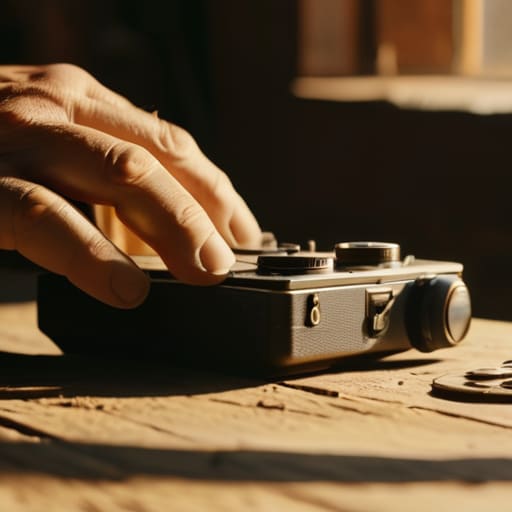
I spent three weeks in a cramped, humid apartment in Naples last summer, sweating through my shirt and trying to capture a family’s history before the light died for good. I wasn’t thinking about dynamic range or bitrates; I was thinking about whether I could move my tripod without tripping over a stray cat or waking the neighbors. Most of the gear reviews you see online will try to sell you on a spec sheet that promises the moon, but when you’re actually in the field, you realize that learning how to choose a camera for documentary work isn’t about finding the most expensive sensor—it’s about finding the tool that doesn’t get in your way.
I’m not here to walk you through a marketing brochure or argue about which brand has the prettiest menu system. My goal is to cut through the noise and talk about what actually matters: reliability, weight, and how the thing handles real-world light. I’ll tell you which features are worth the extra weight in your bag and which ones are just expensive distractions. We’re going to focus on the gear that allows you to stay invisible and keep shooting, because at the end of the day, the best camera is the one that lets you tell the story without making you a slave to the technicalities.
Understanding How to Choose a Camera for Documentary

Before you start looking at spec sheets, you need to look at your schedule. If you’re telling me you’re shooting a three-week observational piece in a crowded market, you aren’t looking for a rig that requires a dedicated AC; you’re looking for compact camera setups for run and gun work. I’ve seen too many beginners walk into a room with a heavy cinema rig, only to realize they’ve become the most obvious thing in the frame. The moment your gear makes the subject self-conscious, you’ve lost the documentary.
You also have to be honest about where you’ll be standing. If your subject lives in a dimly lit apartment or you’re shooting street scenes at dusk, your priority isn’t the highest resolution possible—it’s low light performance for documentary video. A 4K image that’s nothing but digital noise is just a high-resolution headache. You need to find that sweet spot where the sensor can actually see the nuance in the shadows without falling apart. It’s about how the light hits the sensor, not just how many megapixels are printed on the box.
Key Things to Know
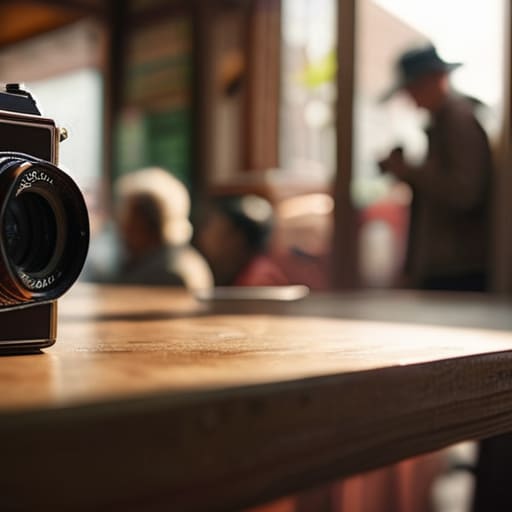
Before you start looking at spec sheets, you need to look at your feet. Where are you standing? If you’re chasing a subject through a crowded market, you don’t need a cinema rig; you need compact camera setups for run and gun that won’t make you look like a target or a nuisance. If you’re sitting in a dimly lit living room waiting for a subject to open up, your priority shifts entirely. You aren’t looking for resolution; you’re looking for low light performance for documentary video so you aren’t drowning in digital noise by the time the real moment happens.
Then there is the technical debt you’ll pay during the edit. I’ve seen people buy the shiny new toy only to realize they can’t get decent sound into it, or that the files are so bloated their laptop screams in agony. Pay attention to audio input options for documentary cameras—because a beautiful image with unusable sound is just a high-end mistake. You need a tool that lets you capture the truth of a scene, not a piece of gear that creates a second job for you in post-production just to make the footage watchable.
Practical Tips and Steps
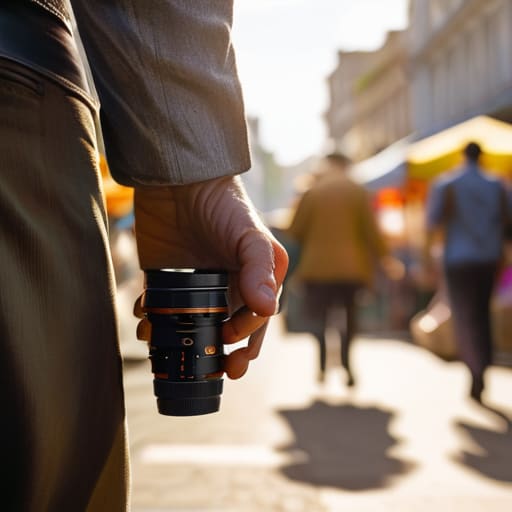
Before you click ‘buy’ on whatever the latest YouTube reviewer is raving about, go out and shoot a day in your actual life. Don’t do it in a controlled studio; do it in the places you’ll actually be working. If you’re planning on shooting weddings or street life, you need to see how those compact camera setups for run and gun actually feel after six hours of carrying them. A camera that looks sleek on a spec sheet can become a lead weight that makes you hate your job by lunchtime.
Once you’ve tested the ergonomics, look at the light. I don’t care how many megapixels a sensor has if it falls apart the moment the sun goes down. You need to prioritize low light performance for documentary video over almost everything else. If you’re stuck in a dimly lit cafe or a basement interview, a sensor that handles noise gracefully will save your edit more than a fancy autofocus system ever could. Test the menu systems, too. If you can’t change your ISO or shutter angle without diving through four sub-menus while your subject is walking away, you don’t own that camera—it owns you.
Common Mistakes to Avoid

The biggest mistake I see is people falling in love with a spec sheet before they’ve even stepped foot on a set. They’ll spend six months saving for a body that boasts incredible resolution, only to realize it’s a nightmare to use when they’re actually in the field. I’ve seen too many beginners obsess over the latest sensor tech while completely ignoring low light performance for documentary video. You can have a 6K sensor, but if it turns your footage into a grainy, noisy mess the second the sun goes down or you walk into a dim cafe, that resolution is useless. You can’t negotiate with physics once the files are in the bin.
Another trap is the “all-in-one” fallacy. People think buying the best mirrorless cameras for documentary filmmaking solves their problems, but they forget that a camera is just a box. They buy a beautiful body but neglect the reality of the shoot—like realizing too late that the device has pathetic audio input options for documentary cameras. If you can’t get clean sound into the machine, you aren’t making a film; you’re making a very expensive home movie. Don’t let a shiny piece of glass distract you from the practicalities of how you actually move through a room.
Final Thoughts
At the end of the day, you’re going to realize that the camera is just a box that catches light. You can spend six months obsessing over the best mirrorless cameras for documentary filmmaking or debating the merits of various sensor sizes, but that gear won’t tell a story for you. It won’t help you find the rhythm of a subject or the quiet tension in a room. If you walk onto a set knowing nothing about how to manage exposure or how to move with a subject, even a fifty-thousand-dollar rig will produce something that looks amateurish and hollow.
Stop looking for the “perfect” tool and start looking for the tool that gets out of your way. Whether you’re building compact camera setups for run and gun work or lugging a heavy cinema rig for a controlled piece, the goal remains the same: get the coverage you need so you can actually build a scene in the edit. Buy the gear that fits your hands and your budget, but spend the money you saved on better glass or a decent light meter. The image is won in the shadows, not in the spec sheet.
Five ways to stop looking at spec sheets and start looking at the job
- Stop chasing dynamic range and start chasing weight. I’ve spent days lugging a rig through a humid jungle only to realize the “perfect” sensor was useless because my shoulder was too numb to steady the frame. If the camera is too heavy to be invisible, you aren’t a documentarian; you’re an intruder.
- Prioritize your audio workflow over your resolution. You can fix a slightly soft image in a color grade, but you cannot fix a gust of wind or a hollow-sounding room in post. If the camera doesn’t have reliable, clean ways to get sound into the cards—or at least a way to sync without a headache—put it back on the shelf.
- Buy for the light you actually have, not the light you wish you had. People get obsessed with high-ISO performance, but if you’re shooting a controlled interview, you don’t need a sensor that can see in the dark; you need a camera that handles the color science of your specific lights without turning skin tones into orange plastic.
- Think about the “editability” of your footage. A camera that shoots beautiful, high-bitrate files is useless if your laptop takes three days to scrub through a single minute of it. I’ve seen many a “pro” shoot themselves into a corner because they bought a codec their editing suite couldn’t breathe through.
- Test the ergonomics of the buttons, not just the menu. When you’re in the middle of a moment that’s happening once and will never happen again, you don’t want to be diving through three sub-menus to change your shutter angle. If you can’t change your settings by feel while keeping your eye on the subject, the gear is working against you.
The Bottom Line
A better sensor won’t fix a bad setup; learn to read the light in the room before you start worrying about dynamic range or bit depth.
Prioritize mobility and reliability over specs; the best camera for a documentary is the one that lets you stay out of the way while still capturing the coverage you’ll actually need in the edit.
Don’t spend your entire budget on the body; save enough for the glass, the audio, and the extra batteries that keep you shooting when things actually get interesting.
The Gear Trap
Stop looking at the dynamic range numbers and start looking at the weight of the rig and the quality of the light you’re actually going to have. You can buy a sensor that captures every bit of detail in a shadow, but if it’s too heavy to move when the moment happens, or if you don’t know how to shape the light hitting it, you’ve just bought an expensive way to film nothing.
Gethin Moreau
The Last Word
At the end of the day, choosing a camera isn’t about finding the one with the highest bit depth or the most impressive dynamic range on a spec sheet. It’s about finding the tool that doesn’t get in your way when the moment happens. You need to weigh the weight of the rig against the mobility you require, and the battery life against the length of your shoot, because none of those technical advantages matter if you’re too exhausted to find the shot or too heavy to follow a subject down a narrow hallway. Stop looking for the “perfect” sensor and start looking for the one that fits your workflow and your physical reality.
I’ve spent more time staring at bad light through a mediocre viewfinder than I have looking at beautiful light through a cinema camera, and I can tell you this: the gear is just the middleman. The real work happens in your eyes, in your understanding of how a shadow falls across a face, and in your ability to stay patient while the scene unfolds. If you walk away from this guide with a new camera, fine. But if you walk away understanding that light, distance, and patience are your true primary tools, then you’re actually ready to shoot. Now, stop reading about gear and go find something worth filming.
