I remember sitting in a damp basement in South Wales, staring at a monitor that looked like it was filming through a bowl of oatmeal, praying that the single, flickering fluorescent tube overhead wouldn’t kill the interview. I didn’t have a lighting kit, a stabilizer, or a prayer, but I had a story that needed to be told. Most people looking for a complete guide to documentary shooting will tell you that you need a $50,000 cinema package and a crew of six to get professional results. They’re wrong. They’ll sell you on dynamic range and bitrates, but they won’t tell you that the most expensive sensor in the world can’t fix a subject who is poorly framed or a room where the light is fighting you every step of the way.
I’m not here to sell you a gear list or a dream of Hollywood perfection. Instead, I’m going to give you the actual mechanics of the craft: how to find light when there isn’t any, how to position yourself so you don’t get in the way, and how to capture enough coverage so your editor doesn’t throw a tantrum in post-production. This is about the work, not the kit.
The Real Complete Guide to Documentary Shooting Light Distance and Patience
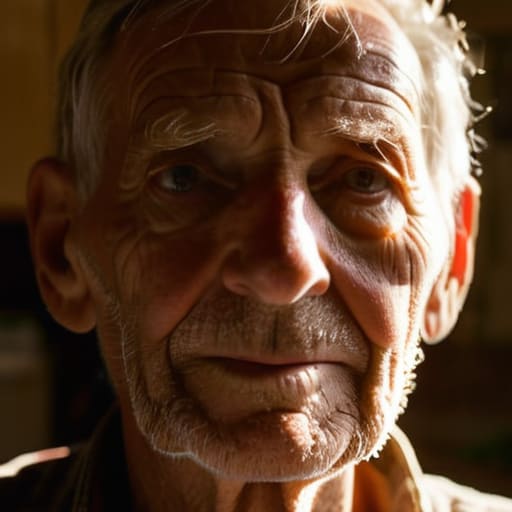
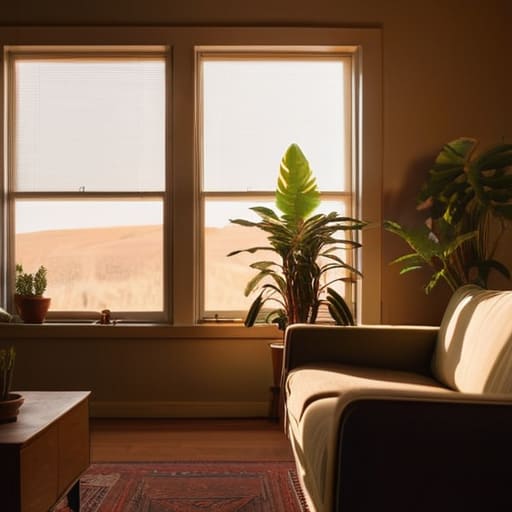
First, forget the gear list. If you’re staring at a spec sheet instead of the window, you’ve already lost the scene. In documentary work, your documentary production workflow shouldn’t start with a checklist of lenses, but with an assessment of the environment. I’ve sat in drafty kitchens and sun-bleached fields where the only thing that mattered was where the sun was sitting at 4:00 PM and how much distance I could maintain between my subject and the chaos of the background. You don’t need a cinema rig to capture truth; you need to understand how light falls across a face before you even think about hitting record.
When it comes to the actual cinematography techniques for documentaries, people often mistake “coverage” for “quantity.” They think more angles equals a better story. It doesn’t. It just means more footage for you to drown in during the edit. Real coverage is about intention. It’s about knowing whether you’re using an observational style to let a moment breathe, or if you’re setting up specific interview lighting setups to anchor the narrative. Patience is your most expensive piece of kit, and if you don’t use it to wait for the light to change, no amount of high-end glass will save you.
Mastering Observational Filmmaking Styles Without Ruining the Moment
The biggest mistake I see is a crew walking into a room like they’re invading a small country. You show up with three tripods, a lighting kit, and a heavy-handed presence, and suddenly, the very thing you came to capture—the truth—decides to hide. To master different observational filmmaking styles, you have to learn the art of becoming furniture. I’ve spent hours sitting in corners, just waiting for the subject to stop performing for the lens and start living again. It’s about finding that sweet spot where you’re close enough to catch the micro-expressions but far enough that they forget you’re there.
If you’re relying on complex cinematography techniques for documentaries to create “depth,” you’re likely overthinking it. Sometimes the best shot is a static wide that lets the scene breathe, rather than a frantic handheld dance that feels unearned. You need to build a workflow of invisibility. Set your exposure, check your focus, and then step back. If you’re constantly adjusting your settings mid-action, you aren’t observing; you’re interrupting. Real presence comes from being prepared enough to stay out of the way.
Cinematography Techniques for Documentaries That Actually Help the Edit
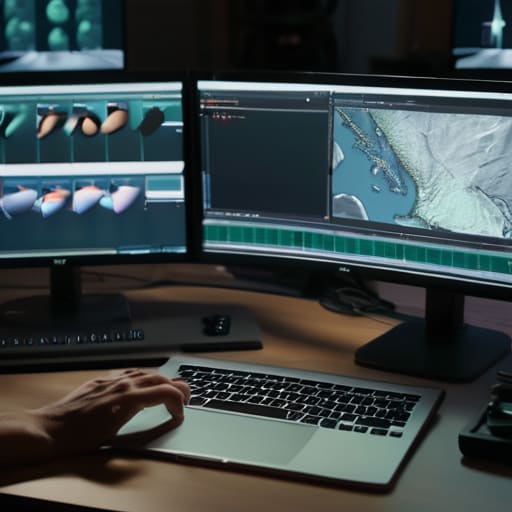
You can have the most beautiful, high-resolution footage in the world, but if you haven’t thought about how it fits into a sequence, you’re just making a very expensive home movie. When I’m building a shot list, I’m not thinking about “beauty”; I’m thinking about coverage. You need the master shot to establish the geography, but you also need those tight, intimate close-ups that allow an editor to hide a jump cut or a mistake in timing. If you only shoot the wide, you’re handing the editor a puzzle with half the pieces missing.
This is where your cinematography techniques for documentaries actually start to matter. I always tell my assistants: if you can’t see the relationship between the subject and their environment, you haven’t shot enough. Don’t just park the tripod and hope for the best. Vary your angles and, more importantly, vary your focal lengths. A wide lens tells the story of the space, but a tight lens tells the story of the emotion. Build the visual vocabulary of your scene before you pack up, or you’ll spend three weeks in the edit suite praying for a shot that isn’t there.
Interview Lighting Setups That No Colourist Can Fix Later
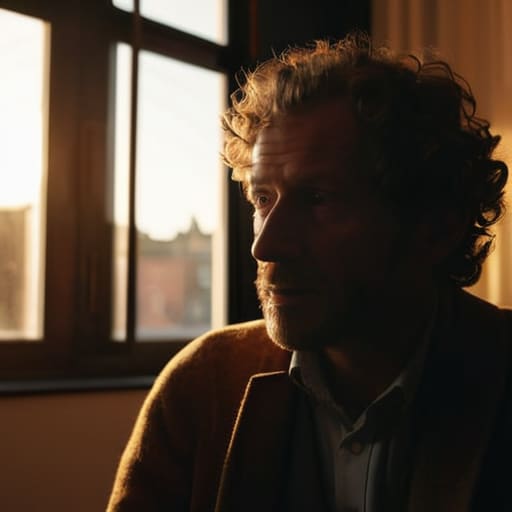
You can spend forty hours in a dark room trying to fix a muddy, flat interview in post, but you’re essentially fighting a losing battle against physics. I’ve seen enough “fix it in post” promises to know that a colorist is a magician, not a miracle worker. When you’re setting up your interview lighting setups, stop looking at the spec sheet for your monitor and start looking at the shadows on your subject’s face. If you don’t have a motivated light source—something that looks like it actually belongs in the room, whether it’s a window or a practical lamp—the image will always feel like it was shot in a vacuum.
The goal isn’t to make it look “expensive”; it’s to create depth so the subject doesn’t look like a floating head against a wall. I always aim for a bit of separation, using a subtle backlight to lift them off the background. It’s a fundamental part of your documentary production workflow that many beginners skip in favor of chasing higher frame rates or sharper sensors. Get the light right at the source, ensure you have enough contrast to define the shape of the face, and you’ll find that the edit becomes much easier to manage.
Field Recording Audio Tips to Save Your Documentary Storytelling Structure
I’ve seen it a dozen times: a DP spends three days perfecting the light for a subject, only to realize in the edit that the audio is a wash of wind noise and distant traffic. You can have the most beautiful, shallow-depth-of-field shots in the world, but if the audience can’t hear the nuance in a voice, they’ll stop watching. Your documentary storytelling structure is only as strong as the words people can actually understand. If you’re relying on a camera mic to capture a crucial moment during observational filmmaking, you’re essentially gambling with your entire production.
When you’re out in the field, treat audio with the same respect you give your lens choice. I don’t care if you’re using a high-end shotgun or a simple lavalier; what matters is how close you can get to the source without breaking the frame. Most people think they need a more expensive recorder, but usually, they just need to manage their environment better. Get the mic closer, shield it from the breeze, and for heaven’s sake, listen to the room before you hit record. A clean, quiet track is the only thing that truly allows an editor to build a narrative from the wreckage of a shoot.
A Lean Documentary Production Workflow for People Who Shoot
A lean documentary production workflow isn’t about having a massive crew or a rolling kit of expensive glass; it’s about minimizing the friction between your brain and the sensor. I’ve spent too many days on set watching people struggle with gear they don’t understand while the actual moment they came to capture walks right out the door. You need to build a system where your documentary production workflow prioritizes mobility and speed. If it takes you twenty minutes to balance a gimbal or swap a lens, you’ve already lost the scene. Pack your bags based on the light you expect to find, not the spec sheet of your camera, and make sure your most essential tools—the ones that facilitate your specific observational filmmaking styles—are always within arm’s reach and ready to roll.
Efficiency is also about knowing when to stop tinkering. I used to think more coverage meant a better edit, but a cluttered workflow just leads to a cluttered timeline. Instead of trying to capture everything, focus on a tight set of cinematography techniques for documentaries that ensure you have the necessary coverage to support your story. This means having your primary angle, a wide for context, and a tight for emotion, all while keeping your audio and lighting setups consistent. Simplicity is a professional choice, not a budget constraint.
Five Things to Do Before You Touch the Record Button
- Stop looking at the spec sheet and start looking at the shadows. Before you even uncase the camera, find your primary light source—whether it’s a window or a flickering fluorescent tube—and decide if you can work with it or if you need to move the subject. If you don’t respect the light, no amount of dynamic range is going to save the image.
- Plan your coverage like you’re building a puzzle, not just taking pretty pictures. I don’t care how beautiful a wide shot is if you don’t have the close-ups and the “bridge” shots needed to transition between ideas. If you can’t see the cut in your head while you’re standing there, you’re just collecting expensive footage that won’t mean a damn thing in the edit.
- Treat your audio like it’s more important than your image. People will forgive a grainy, underexposed shot if the story is gripping, but they will turn off a masterpiece the second the wind hits the mic or the room echoes like a cathedral. Get your lavalier on, check your levels, and for God’s sake, listen to the room before you start rolling.
- Learn the art of the “safety” shot. In the documentary world, things go wrong—people walk into the frame, a light dies, or a subject forgets their line. Always get one stable, well-composed shot that you know works. It’s your insurance policy when the chaos of real life gets too messy to manage.
- Pack light, but pack smart. I’ve seen crews show up with three grip trucks only to realize they forgot a single C-stand or a specific adapter that would have solved their entire lighting problem. Build a kit that you can actually move quickly; if your gear is too heavy to react to a moment, you’ve already missed the story.
The Bare Essentials for Not Wasting Your Footage
Stop looking for a magic sensor and start looking for the light; a mediocre camera in a well-lit, motivated environment will always outproduce a cinema rig in a dark room with no plan.
Shoot for the edit by prioritizing coverage and continuity over “pretty” single shots, because a beautiful image is useless if you don’t have the wide or the cutaway needed to bridge a jump cut.
Invest your energy in the fundamentals of sound and light rather than gear upgrades, because no amount of post-production wizardry can fix a noisy interview or a shot that’s completely crushed in the shadows.
## The Gear Delusion
Stop looking for a “complete guide” in a spec sheet; you won’t find it there. A real guide is knowing how to read the way the sun moves across a room, how to stay out of the way of a subject who’s finally opening up, and having the discipline to shoot enough coverage so that you aren’t begging a colorist to fix a disaster in post.
Gethin Moreau
The Long Game
At the end of the day, a successful documentary isn’t built on a spec sheet; it’s built on the decisions you make when the sun is dropping and the subject is getting tired. We’ve talked about everything from the way you position a key light to ensure a colorist doesn’t have to work miracles, to the way you cover a scene so you actually have something to cut together in the edit suite. If you’ve focused on the light, respected the distance between you and your subject, and prioritized clean audio over a shiny new sensor, you’ve already done more than half the people currently staring at gear catalogs. Remember that coverage is your insurance policy, and patience is your most valuable piece of kit.
I’ve spent twenty-three years watching technology evolve from heavy film mags to tiny, high-resolution sensors that can see in the dark, but the fundamental truth hasn’t shifted an inch. The camera is just a box that records what you have the sense to find. Don’t let the pursuit of the “perfect” setup stop you from capturing the actual truth of a moment. Go out there, find the light, watch the blocking, and for heaven’s sake, keep your eyes on the scene rather than the monitor. The story is happening right in front of you; your only job is to be ready when it does.
