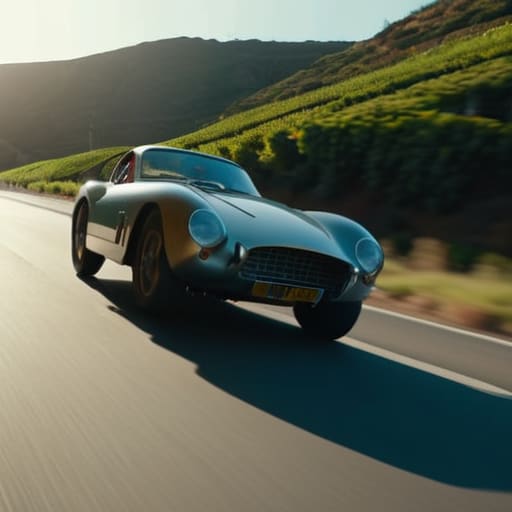
I remember standing on a dusty shoulder in the High Desert, the heat coming off the asphalt in waves, watching a junior operator try to rig a gimbal to a moving chase car while staring intently at a monitor instead of the road. He was so focused on the dynamic range of the sensor that he didn’t notice the driver was drifting toward a ditch. It’s a specific kind of madness, this idea that you can master the art of how to film vehicles safely by simply buying a more expensive stabilizer or a faster lens. You can have a RED running on a crane, but if you haven’t respected the physics of the machine and the unpredictability of the driver, you aren’t making cinema; you’re just making a liability.
I’m not here to sell you on a new piece of kit or a complex software solution. I want to talk about the things that actually keep you from ending up in a ditch or an insurance deposition: positioning, communication, and spatial awareness. I’m going to show you how to manage your coverage and your crew so that you get the shot without sacrificing your sanity or your safety. We’ll focus on the practical reality of the setup—where you stand, how you signal, and why your most important tool isn’t the camera, but your eyes on the horizon.
The Distance Between a Great Shot and a Total Disaster
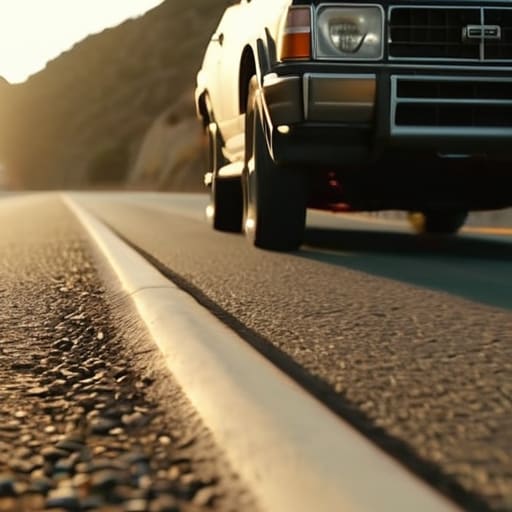
The distance between a great shot and a total disaster usually comes down to your margin for error. I’ve seen crews get so obsessed with getting that perfect low-angle tracking shot that they forget they’re operating a heavy piece of glass just inches away from a moving bumper. If you aren’t practicing strict car-to-car filming best practices, you aren’t just risking a dent; you’re risking a catastrophic collision. You need to know exactly where your driver’s blind spots are and exactly how much room you have to react when the car in front slams on its brakes.
It’s also about how you secure your kit. I don’t care how expensive your sensor is; if your camera rig mounting techniques are sloppy, that gear is becoming a projectile the second you hit a pothole. I’ve watched a beautifully lit sequence go sideways because a suction mount wasn’t seated properly on a curved door panel. Check your mounts twice, check them a third time, and never assume that “it looks tight” is the same thing as “it is secure.”
How to Film Vehicles Safely Without Sacrificing the Vision

Look, I’ve seen enough crews get so blinded by the “perfect” tracking shot that they forget they’re operating in a high-stakes environment. If you’re planning on doing car-to-car filming, the first thing you need to realize is that your camera isn’t just a tool; it’s a heavy, expensive projectile if things go sideways. You need to be obsessive about your camera rig mounting techniques. I don’t care if you’re using suction mounts or a full gimbal rig on a chase car—if that mounting isn’t checked three times by someone who isn’t the person holding the remote, you’re asking for a disaster.
Beyond the hardware, you have to respect the physics of the road. Don’t just wing it because you have a fast driver and a steady hand. You need to account for on-road filming legal requirements and, more importantly, ensure your production insurance for automotive shoots actually covers the specific stunt or movement you’re attempting. If you’re filming at speed, your communication line with the driver needs to be cleaner than your wireless video feed. If you can’t talk to them clearly, you shouldn’t be rolling.
Rigging for Motion Camera Rig Mounting Techniques That Hold
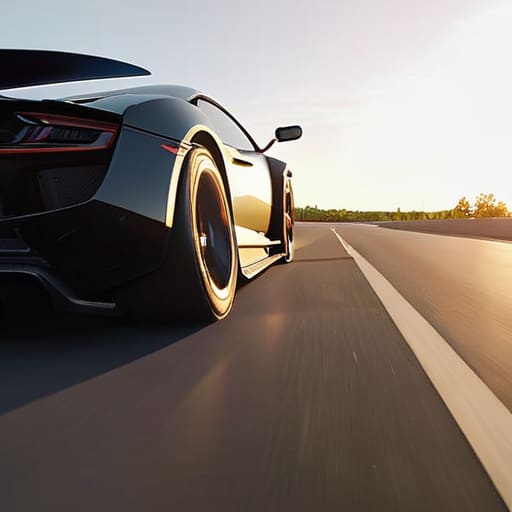
Once you’ve figured out where you aren’t going to get hit, you have to figure out how to keep the camera from vibrating itself into a seizure. I’ve seen too many productions try to save a few bucks by slapping a suction mount on a hood and calling it a day, only to end up with footage that looks like it was shot during an earthquake. If you aren’t using a dedicated, heavy-duty suction system with a secondary safety tether, you’re just asking for a very expensive piece of glass to become a projectile.
When we talk about camera rig mounting techniques, we aren’t just talking about stability; we’re talking about redundancy. I always tell my operators that if a mount looks “good enough,” it isn’t. You need a primary mount, a secondary safety wire, and ideally, a way to dampen the road chatter that no amount of post-production stabilization can truly fix. Adhering to strict car-to-car filming best practices means treating every piece of hardware as if it’s actively trying to escape the vehicle. It’s better to spend an extra hour checking your clamps and cables than to spend the next month explaining to an insurance adjuster why the camera is currently sitting in a ditch three miles back.
Car to Car Filming Best Practices and Essential Safety Protocols
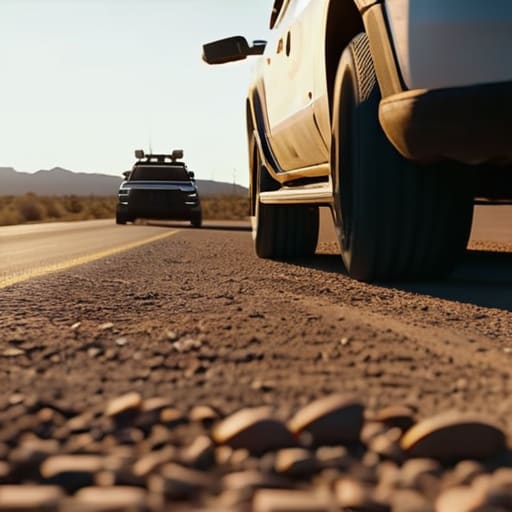
If you’re moving from a tripod to a chase car, the math of your production changes instantly. You aren’t just managing light and composition anymore; you’re managing momentum. Before the wheels even turn, you need to have your automotive cinematography safety protocols nailed down—and I don’t mean a checklist you skim through while drinking lukewarm coffee. I mean a rigorous, rehearsed plan for communication. If the driver can’t hear you, or if your radio fails, the shot is dead, and more importantly, so is the crew. You need a dedicated way to signal “stop” that doesn’t rely on a polite conversation.
Then there’s the paperwork, which is just as vital as your focal length. Don’t be the person who realizes halfway through a high-speed tracking shot that your production insurance for automotive shoots doesn’t actually cover pursuit vehicles. It’s a mistake that can end a career faster than a blown sensor. Ensure your permits are airtight and your drivers are briefed on every single turn. We’re here to capture the way the light hits the chrome, not to become a cautionary tale in a safety seminar.
The Paperwork Shield on Road Legal Requirements and Production Insurance
Look, I know nobody likes the administrative slog, but if you think you can bypass the red tape because you’ve got a “good feeling” about a backroad, you’re dreaming. Before you even think about touching a gimbal or mounting a suction cup, you need to have your on-road filming legal requirements sorted. This isn’t just about avoiding a ticket; it’s about knowing who is liable when a piece of gear shakes loose or a driver misses a turn. If you aren’t working with a permit or a professional road closure, you aren’t filming—you’re just trespassing with expensive electronics.
Then there’s the insurance. Don’t settle for a generic policy that covers a tripod falling over in a studio. You need specific production insurance for automotive shoots that accounts for the unique chaos of moving targets and high-speed pursuits. I’ve seen crews try to skimp here, only to realize too late that their standard coverage won’t touch a claim involving a vehicle collision or a damaged rental car. Get the right paperwork in place so that when the sun goes down and the real work starts, the only thing you’re worried about is the light.
Filming Moving Vehicles Equipment Safety What Actually Matters
You can have the most expensive sensor in the world, but if your mounting hardware is cheap or your cables are trailing in the wind like loose spaghetti, that sensor is going to end up in a ditch. When we talk about filming moving vehicles equipment safety, people tend to obsess over the resolution of the image while ignoring the structural integrity of the suction cups or the grade of the steel tubing holding the rig. I’ve seen setups that looked beautiful on a monitor but were one pothole away from a catastrophic failure. If you aren’t checking your clamps and tensioners every single time the car stops for fuel, you aren’t being a professional; you’re being a gambler.
It isn’t just about the heavy metal, either. It’s the small, overlooked details—the way you secure your monitors so they don’t become projectiles, or how you manage your power runs to ensure nothing gets snagged by a passing branch. Proper automotive cinematography safety protocols mean treating every piece of gear as if it’s under constant physical assault. Use heavy-duty rated ties, double-check your wireless video links for interference, and for heaven’s sake, never assume a mount is secure just because it looked solid in the garage. The road has a way of finding the one bolt you forgot to tighten.
Five Ways to Keep the Crew Alive and the Footage Clean
- Establish a hard “no-go” zone for anyone not essential to the movement. I’ve seen too many assistants wander into a shot to adjust a reflector only to realize they’re standing in the path of a driver who can’t see them through a sun glare. If you aren’t holding a piece of gear or a piece of paper, stay behind the line.
- Communicate via radio, not shouting. If you’re filming a car moving at forty miles per hour, you aren’t going to win a shouting match with the driver, and you certainly won’t hear a “stop” command over the engine roar. If your comms aren’t clear, your production is just a liability waiting to happen.
- Treat your tripod and dolly as heavy, blunt instruments. When you’re working near moving metal, a bumped stand or a loose sandbag isn’t just a technical error; it’s a projectile. Secure everything twice, and if the wind picks up or the car gets closer, tighten it a third time.
- Never assume the driver knows your frame. Just because you’ve blocked the scene doesn’t mean the person behind the wheel understands the geometry of your lens. Always run a physical walkthrough of the path of travel before the engine even turns over.
- Watch the light, not just the car. A sudden shift in sun position or a glare off a windshield can blind a driver in a split second. If the light is getting tricky, don’t try to “power through” it to get the shot; pull back, reset, and wait for the visibility to return. Your ego isn’t worth a collision.
The Bottom Line
Stop looking for a better sensor and start looking for a better vantage point; most vehicle shots fail because of poor positioning, not poor resolution.
If you haven’t accounted for the physics of the car and the legal reality of the road before you hit record, you aren’t directing, you’re just gambling.
Real coverage comes from planning your light and your distance first—the gear is just the tool you use to capture what you’ve already figured out.
The Illusion of the Perfect Shot
I’ve seen enough people chase a single frame of a car passing through a tight corner only to realize they’ve compromised the safety of the entire crew; remember that the most important piece of equipment on any vehicle shoot isn’t the gimbal or the tracking car, it’s the distance you keep between your lens and a collision.
Gethin Moreau
The Final Frame
At the end of the day, filming vehicles isn’t about having the fastest tracking car or the most expensive gimbal; it’s about the discipline of the setup. We’ve talked about the paperwork that keeps you legal, the rigging that keeps your camera from becoming a projectile, and the distance you need to maintain to ensure everyone goes home at night. If you’ve done the prep, respected the physics of motion, and prioritized your positioning over your framing, you’ve already won half the battle. Remember, no shot is worth a collision, and no amount of post-production magic can fix a production that ended in a lawsuit or an injury. Safety isn’t a constraint on your creativity; it is the foundation that allows you to actually execute it.
When you finally pull that last clip and the sun is setting on a successful shoot, I want you to look at the footage not just for the movement, but for the control you maintained. There is a specific kind of satisfaction in knowing that your shots look effortless because you spent the morning worrying about the unseen details—the sightlines, the communication, and the light. Stop chasing the newest sensor and start mastering the environment you’re working in. If you can capture the soul of a machine in motion without breaking a single rule of physics or common sense, then you aren’t just a guy with a camera; you’re a professional. Now, go get some sleep.
