
I remember standing in a muddy field outside of Galway in ’98, watching a producer stare at a weather app like it was a holy text, convinced that a high-end weather-sealed sensor would somehow stop the sky from falling. We had spent three days prepping a lighting plot for a sunset that never came, only to have a wall of grey clouds swallow the sun ten minutes before the first setup. That’s the thing they don’t tell you in the gear manuals: no amount of expensive glass or weather-resistant bodies can fix the fact that how weather changes a plan is usually a matter of light, distance, and how quickly you can pivot.
I’m not here to sell you on a new weather-rated kit or some magical app that predicts the clouds. I want to talk about what you actually do when the light you banked on disappears. I’ll be sharing what I’ve learned from two decades of chasing shadows and fighting rain, focusing on how to adjust your blocking, how to manage your coverage when the sun goes rogue, and why your ability to read the sky matters more than the camera in your hand.
The Light the Distance and the Storm How Weather Changes a Plan
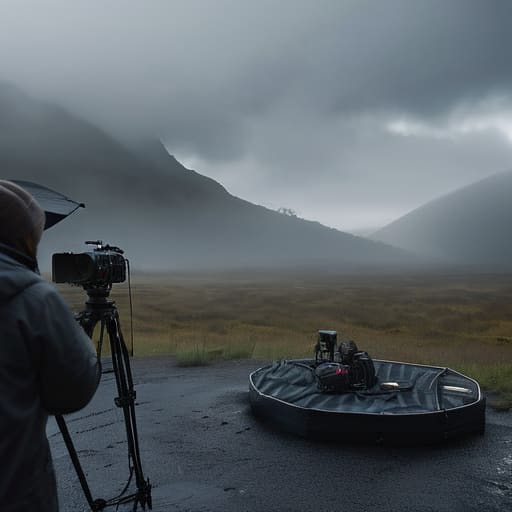
When the sun decides to hide behind a thick layer of grey, your entire visual strategy has to shift. I’ve spent enough years on set to know that a sudden overcast sky isn’t just a nuisance; it’s a complete rewrite of your lighting diagram. You were likely planning for high-contrast shadows and a specific direction of key light, but now you’re dealing with a massive, natural softbox. This is where most people panic and start looking for more powerful lights to compensate, but the real trick is in your weather contingency planning strategies. Instead of fighting the flat light, you learn to work with the lack of direction, adjusting your blocking so the talent doesn’t look like they’re trapped in a fog.
Then there’s the physical reality of the shoot. If a downpour starts, you aren’t just worried about the sensor; you’re worried about the meteorological impact on logistics—specifically, how much longer it takes to move a tripod through mud or how quickly a location becomes inaccessible. You can have the best emergency weather protocols in the world, but if you haven’t accounted for the extra twenty minutes it takes to wipe down a lens or move a grip truck, you’re losing precious light. It’s not about the gear you’re protecting; it’s about the patience required to keep the coverage consistent when the environment stops cooperating.
Why Your Location Scouting Failed the Meteorological Impact on Logistics
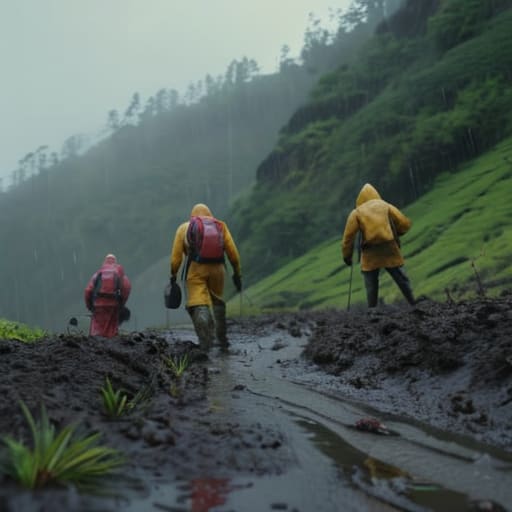
Most people think location scouting is about finding a beautiful backdrop or a street corner with the right texture. It isn’t. If you aren’t looking at the drainage, the wind tunnels between buildings, or the way a nearby lake might throw mist into your frame at 4:00 PM, you haven’t actually scouted; you’ve just gone for a walk. The meteorological impact on logistics usually hits when you realize your “perfect” hilltop location becomes a mud pit the moment a light drizzle starts, turning your tripod legs into sliding anchors and your crew into a disgruntled mess.
I’ve seen too many productions stall because they treated their schedule like a rigid contract rather than a living thing. Real weather contingency planning strategies aren’t about having a backup indoor studio—they’re about knowing exactly how much time you lose when you have to spend twenty minutes tarping down a lighting kit. You have to account for the friction of the elements. If the wind picks up, your bounce boards become sails and your audio becomes a mess of low-frequency rumble. You don’t need a better sensor to fix that; you need a plan that assumes the sky is going to fight you.
Adapting Outdoor Events to Rain Without Losing the Shot
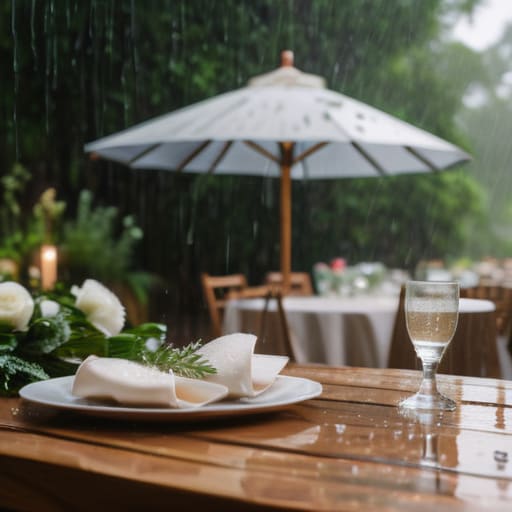
When the clouds finally break and the downpour starts, your first instinct is to scramble for the plastic covers. Stop. Before you start wrapping your rig like a mummy, look at the light. Rain isn’t just a nuisance; it’s a massive, natural softbox. It kills the harsh shadows and turns a high-contrast nightmare into something moody and textured. Instead of fighting the elements, start adapting outdoor events to rain by leaning into that diffused, low-contrast look. If you’re shooting a wedding or a festival, the rain can actually provide the atmosphere you were trying to manufacture with a gel and a bounce board.
The real work, however, is in your emergency weather protocols. You need to know exactly where your “dry zones” are before the first drop hits. I’ve seen too many productions grind to a halt because the crew had nowhere to stash the expensive glass or the laptops. Don’t just hope for the best; have a designated tent or a nearby porch pre-scouted. If you can’t protect the sensor or the talent, you don’t have a shoot anymore—you just have a very expensive way to get wet.
Beyond the Gear Real Weather Contingency Planning Strategies
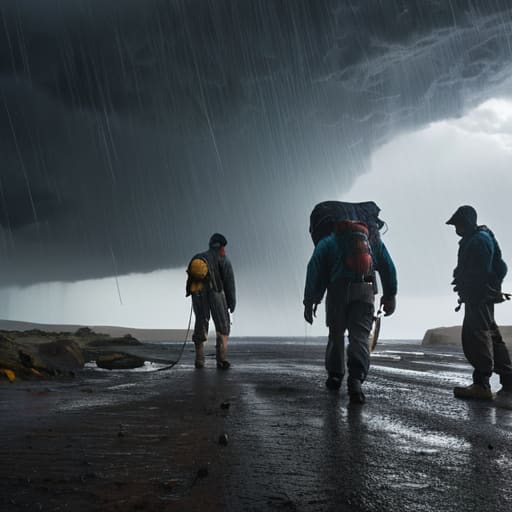
You can buy all the weather-sealed housings and rain covers in the world, but they won’t save a production that’s running on pure ego. Real weather contingency planning strategies aren’t about what you put on the camera; they are about what you do with the clock. I’ve seen crews spend three hours fighting a drizzle only to realize they’ve lost the window of soft light they actually needed. If the sky turns that bruised, heavy gray, you need to decide—right then—if you’re pivoting to a cover set or if you’re going to lean into the chaos.
Don’t treat your schedule like it’s carved in stone. Effective risk management for outdoor activities means building “buffer blocks” into your day, specifically for when the wind picks up or the light disappears. If you’re too rigid, a twenty-minute squall becomes a three-hour catastrophe of wasted labor and mounting costs. I’d much rather have a producer tell me we’re moving to the interior a day early than watch a DP try to heroically film through a gale with a sensor that’s about to short out.
Risk Management for Outdoor Activities and the Failing Light
The sun doesn’t just go behind a cloud; it changes the entire geometry of your scene. I’ve sat on too many sets watching a beautiful, directional backlight dissolve into a flat, grey soup because the crew didn’t account for a shifting front. When you’re dealing with risk management for outdoor activities, you aren’t just protecting the electronics from moisture; you’re protecting the visual intent of the project. If the light dies, the motivation for your actors dies with it, and no amount of high-dynamic-range sensor magic is going to bring that shape back to a face once it’s gone.
You need to have emergency weather protocols that aren’t just about running for cover, but about knowing exactly when to call it. It’s about recognizing the moment the light becomes unusable and making the call to pivot to a secondary location or a tighter, more controlled setup. Don’t wait for the downpour to start making decisions. If the sky looks bruised, start thinking about your weather-related schedule adjustments immediately. It’s better to lose an hour of shooting to a tactical pause than to spend three days in post trying to fix a flat, lifeless image that should have been shot under a different sky.
Emergency Weather Protocols and Necessary Weather Related Schedule Adjustme
When the sky turns that bruised shade of purple and the wind starts picking up, you don’t have time for a committee meeting. You need emergency weather protocols that are already baked into your workflow, not something you’re inventing while your tripod is vibrating. I’ve seen too many productions stall because the director wanted to “wait it out,” only to realize they’ve lost the golden hour and the crew is exhausted. You need a pre-agreed signal—a simple “red light” from the DP or the location manager—that means everyone stops, gear goes under tarps, and we move to the indoor backup immediately.
This isn’t just about protecting the glass; it’s about weather-related schedule adjustments that respect the clock. If you lose two hours to a downpour, you can’t just pretend the sun is still where it was. You have to look at your shot list and decide what is essential and what can be cut. Don’t try to force the original plan when the light has shifted three stops. If the clouds have flattened everything, pivot to your interior setups or your macro shots. Efficiency in a storm is about knowing what you can actually salvage before the daylight disappears entirely.
Five Ways the Sky Will Ruin Your Setup (And How to Fix It)
- Watch the clouds, not the forecast. A weather app might tell you it’s sunny, but it won’t tell you that a single bank of cumulus is about to turn your high-contrast afternoon into a flat, grey soup. If the light starts moving faster than your crew can move the flags, stop fighting the sun and start looking for the shadows.
- Pack for the worst, but plan for the light. Everyone remembers the rain covers and the plastic bags for the sensor, but nobody remembers the bounce cards or the extra diffusion when the sun suddenly breaks through a storm. You’ll spend more time managing a sudden glare than you will managing a drizzle.
- Respect the golden hour’s new schedule. On a clear day, you know exactly when that light hits the window; on a day with heavy overcast or shifting mist, that window might last ten minutes or ten hours. Don’t set your shoot clock based on a textbook; set it based on the actual visibility.
- Stop eyeing the new weather-sealed bodies and start eyeing your grip kit. A $50,000 camera with a weather seal is still a liability if you don’t have enough sandbags to keep your light stands from becoming kites in a gust. The wind will break your production long before the moisture hits the electronics.
- Learn when to call it. There is a specific kind of vanity that makes a DP try to push through a gale or a downpour, thinking they can “make it work in post.” You can’t. If the light is gone or the wind is making the audio unusable, stop wasting expensive daylight trying to save a shot that was doomed the moment the barometer dropped.
The Bottom Line Before You Roll
Stop looking for a better sensor to fix a bad sky; if the light turns flat and gray, you don’t need a new camera, you need to rethink your blocking and find where the shape still lives in the shadows.
A contingency plan isn’t a list of expensive waterproof covers; it’s a mental map of how you’ll move the setup closer to the shade or change your lens choice when the weather decides your original plan is dead.
Respect the clock more than the gear; when the light starts failing because of a storm, stop arguing about technical specs and start deciding which shots are actually essential for the edit so you can wrap before you’re shooting in the dark.
## The Myth of the Perfect Forecast
You can spend six months scouting a location and three weeks obsessing over the sensor readout, but the sky doesn’t care about your production schedule. When the light shifts or the rain moves in, stop looking at your gear list and start looking at your shadows; a change in weather isn’t a technical failure, it’s just the world telling you that your original coverage is no longer an option.
Gethin Moreau
The Last Frame
At the end of the day, weather isn’t an obstacle to be defeated; it’s just another variable in the equation of a shot. We’ve talked about the logistics of shifting schedules, the necessity of protecting your glass, and why your scouting report might have missed the way a storm front actually moves across a valley. You can buy every weather-sealed body and every heavy-duty rain cover on the market, but none of that matters if you haven’t accounted for the shifting quality of light or the way a sudden drop in temperature changes your crew’s stamina. If you spend the whole shoot fighting the sky instead of working with it, you aren’t directing; you’re just reacting.
My advice is to stop looking at the forecast as a binary—clear or cloudy—and start seeing it as a spectrum of possibilities. The most iconic images I’ve ever captured didn’t happen because the sun was perfectly positioned at golden hour, but because I had the patience to wait for the exact moment the clouds broke just enough to give the scene some shape. Don’t let a bit of rain or a gray afternoon ruin your momentum. Put the camera down, look at where the light is actually hitting the ground, and remember that the best stories are often found in the conditions we didn’t plan for.
