
I spent three hours last week watching a kid in a coffee shop try to “fix” a muddy, flat portrait by scrolling through expensive bokeh presets on his phone. It’s the same story every time: someone buys a $2,000 lens because they think it’ll magically solve their problems, when the real issue is that they’re shooting directly under a fluorescent light that makes everyone look like they’ve been dead for three days. We’ve become obsessed with gear specs and sensor resolution, completely ignoring the fact that most common mistakes in portrait photography have absolutely nothing to do with your camera and everything to do with where you’re standing.
If you find yourself staring at a screen full of technically perfect but emotionally hollow shots, you’re likely missing the human element that makes a portrait actually land. It’s not about the aperture or the sensor readout; it’s about understanding the person sitting in front of your lens. I’ve spent a lot of time looking through my own archives and studying how others approach the psychology of the frame, and if you’re struggling to find that connection, it helps to look at how others interpret the subject. I often find myself digging through photo personals to see how different photographers handle the subtle nuances of character, because sometimes the best way to fix a technical error is to study the intent behind a great image.
I’m not here to sell you a subscription to a software suite or tell you which autofocus system is the “game changer” of the year. I want to talk about why your shadows look like trash, why your subject looks uncomfortable, and why you’re fighting a losing battle against the sun. I’m going to give you the unromantic truth about light, distance, and the patience required to actually see a scene before you hit the shutter. If you want to stop chasing gear and start making images that actually hold weight, let’s get to work.
Fixing Portrait Lighting Errors and Depth of Field Mistakes

Most people treat light like a switch they can just flip, but it’s more like a physical weight you have to balance. I see it constantly: people trying to compensate for flat, muddy light by cranking the ISO or buying a more expensive lens, when the real issue is just basic portrait lighting errors. If your subject looks like they’re being interrogated by the police, you don’t need a new sensor; you need to move that key light further away or soften it with something—anything—that breaks up the harshness. It’s about direction, not intensity.
Then there’s the obsession with that creamy, blurred-out background. Everyone wants the “pro look,” but they end up making massive depth of field mistakes by shooting wide open in the wrong spot. They get so caught up in the bokeh that they end up focusing on the wrong eye, or worse, they leave a telephone pole growing out of the subject’s skull because they didn’t bother to look at the edges of the frame. If your subject isn’t sharp and your background is a mess, no amount of post-production is going to save the soul of the image.
Why Improper Camera Settings for Portraits Kill the Mood
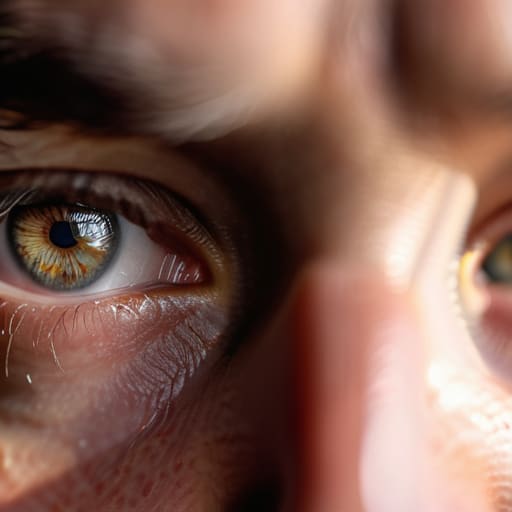
I see it every week: someone buys a high-end mirrorless body, spends three months’ rent on a prime lens, and then wonders why their portraits feel clinical or hollow. They treat the camera like a magic box that solves everything, forgetting that settings are just the bridge between your eye and the subject. The most frequent offender is a total misunderstanding of how to manage your plane of focus. I’ve sat through countless reviews praising sensor sharpness, yet I still see beginners focusing on the wrong eye, which immediately severs the connection between the viewer and the subject. If the eyes aren’t tack-sharp, the rest of the image is just expensive noise.
Then there is the obsession with “bokeh” as a cure-all. People crank the aperture to f/1.2 because they think a blurry background is the only way to hide a mess, but they end up with improper camera settings for portraits that make the subject look disconnected or unnaturally sliced from the world. You don’t always need a shallow depth of field to fix distracting backgrounds in photography; sometimes you just need to move the person six inches forward or find a better angle. A setting isn’t a solution; it’s a choice.
Five Ways You’re Sabotaging Your Own Frames
- Stop treating your subject like a statue. People spend so much time obsessing over the sharpness of the iris that they forget to watch the eyes. If your subject is stiff, the image is dead. I’ve seen better portraits shot on a handheld phone because the person was actually laughing, rather than a high-end rig capturing a frozen, awkward grimace.
- Watch your background clutter. You don’t need a faster lens to hide a messy room; you need to move the subject away from the wall. Distance is free. If there’s a lamp growing out of your subject’s head or a distracting window frame cutting through their shoulder, you haven’t failed at optics—you’ve failed at blocking.
- Respect the direction of the light. A common mistake is pointing the main source directly at the face and calling it a day. It flattens everything. It turns a human being into a piece of construction paper. Use the shadows to create shape. If you can’t see the structure of the cheekbones, you aren’t using the light; you’re just hitting them with it.
- Get off the eye-level trap. Most amateurs stand up straight, hold the camera at their own height, and click. It’s boring. It’s how the world looks every single day. If you want a portrait that actually says something, change your physical relationship to the subject. Drop down, lean in, or find a perspective that forces the viewer to actually look.
- Quit the “more is better” mentality with gear. I see people lugging around three different prime lenses for a portrait session when they really only needed one good one and a bit of patience. If you’re constantly swapping glass to find the “perfect” look, you’re losing the rhythm of the shoot. Pick a focal length, learn its flaws, and work with them.
The Long View
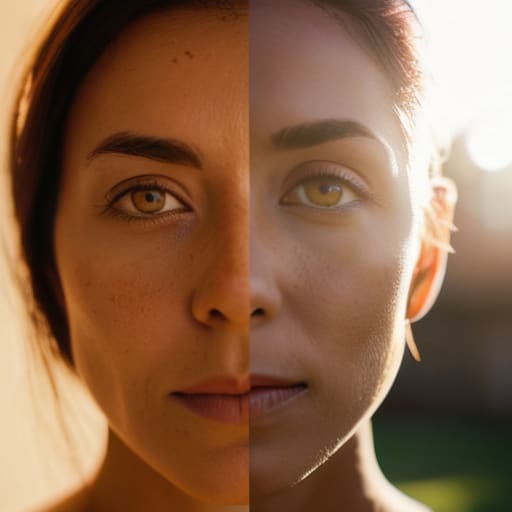
At the end of the day, most of what we’ve discussed comes down to the same old struggle: fighting against the environment instead of working with it. You can obsess over your aperture settings or spend six months’ salary on a prime lens that promises a creamy bokeh, but if your light is coming from directly overhead or your subject is positioned in a way that makes the frame feel cluttered and stagnant, the gear won’t save you. We’ve talked about the importance of managing depth of field, the necessity of intentional lighting, and why those technical settings actually dictate the emotional weight of a shot. If you fix the light and get the distance right, you’ve already solved eighty percent of the problems that most amateurs try to fix in post-production.
Stop looking at the spec sheet for a moment and start looking at the way the shadows fall across a face. The best images I’ve ever captured didn’t come from having the highest resolution sensor; they came from having the patience to wait for the sun to hit a specific window or the discipline to move a light stand ten inches to the left. Photography is a craft of observation, not just acquisition. Don’t let the pursuit of the perfect kit distract you from the actual work of seeing. Once you realize that the camera is just a tool for capturing what is already there, you’ll stop trying to buy your way into a better image and start earning it.
