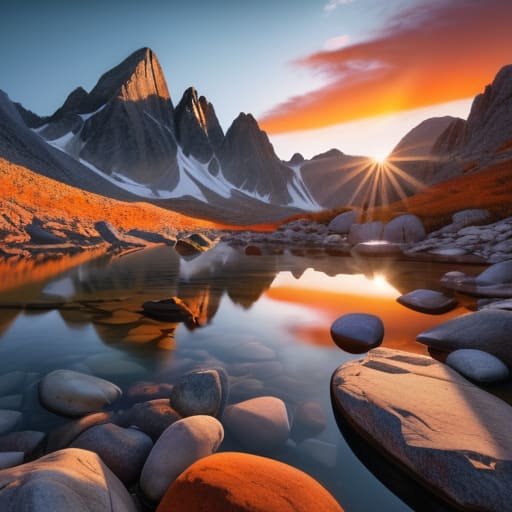
I spent three hours yesterday watching a kid on a hiking trail obsess over a firmware update for his mirrorless camera, convinced that a new sensor profile was the missing ingredient for his portfolio. It’s the same nonsense I see every week: people looking for tips for better landscape photography shots in the spec sheets of a new lens rather than looking at the sky. They think if they just buy a sharper glass or a higher megapixel count, the image will suddenly find its soul. But I’ve shot some of my most meaningful work on gear that belonged in a museum, simply because I knew where the light was coming from before I even uncapped the lens.
I’m not here to sell you on a new tripod or a subscription to some “pro” editing suite. My promise is much simpler and, frankly, a lot harder: I’m going to talk about light, distance, and patience. We’re going to discuss how to actually read a landscape, how to position yourself so the shadows tell a story, and why your composition matters more than your resolution. If you want to learn how to stop chasing gear and start chasing the light, then you’re in the right place.
Mastering Golden Hour Lighting Techniques and Natural Patience
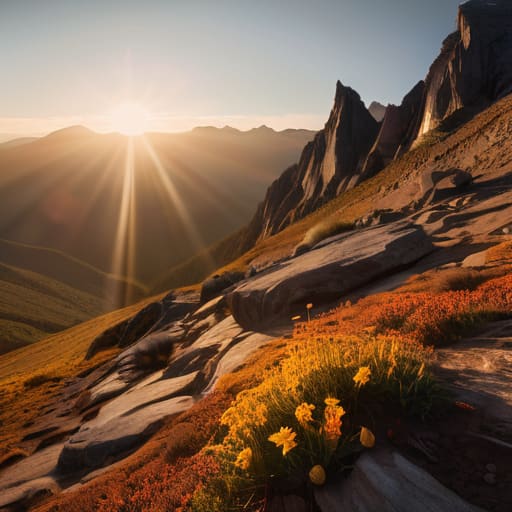
Everyone talks about the “magic” of the golden hour like it’s some sort of mystical phenomenon, but it’s really just physics. It’s the moment the light stops hitting your subject from directly above and starts wrapping around it. If you’re standing there waiting for that soft, directional glow, don’t just point and click. You need to watch how the shadows stretch across the terrain. I’ve spent more time watching the sun crawl behind a ridge than I have fiddling with my tripod, because once that light hits a certain angle, you only have a few minutes before the whole mood shifts.
While you’re waiting, stop obsessing over your sensor’s dynamic range and start looking at the ground. Most people miss the shot because they’re staring at the horizon, completely ignoring the rocks or scrub right at their feet. Using foreground interest in shots is what gives a flat image any sense of scale; it’s the difference between a postcard and a photograph. It takes patience to wait for that specific window where the light hits the texture of the foreground and the sky simultaneously, but that’s where the actual work happens.
Using Foreground Interest in Shots to Create Scale
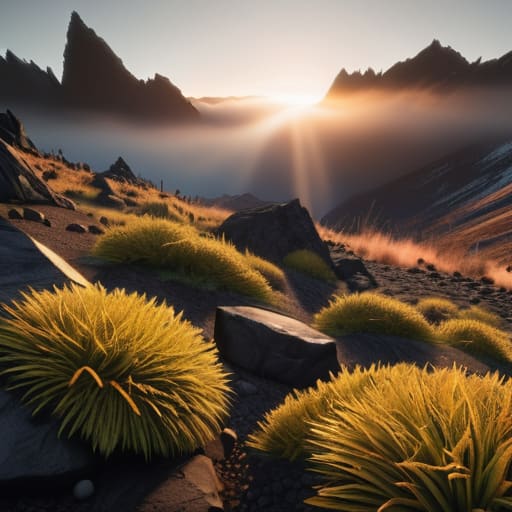
You’ve got a massive mountain range or a sweeping coastline in your viewfinder, and you’ve waited three hours for the light to hit just right. You press the shutter, and the result looks flat. It looks like a postcard from a gift shop. The problem isn’t your sensor; it’s that you’ve lost the sense of scale because everything is sitting on a single, two-dimensional plane.
This is where using foreground interest in shots becomes more important than any lens upgrade you’ll find on a spec sheet. I’m talking about finding a weathered rock, a patch of frost, or even a jagged bit of driftwood to pull into the bottom third of your frame. By giving the eye something to land on immediately, you create a visual bridge that leads the viewer into the distance. It forces the brain to acknowledge the physical space between the lens and the horizon.
When you’re managing your depth of field for landscapes, don’t just aim for “everything in focus” because you can. Use that foreground element to anchor the composition. It’s about creating a sense of place, not just a record of a view.
Stop Looking for the Shot and Start Looking for the Depth
- Stop obsessing over your sensor’s dynamic range and start looking at your shadows. If you’re shooting a mountain range and the valleys are just black pits of nothingness, you haven’t failed because of your camera; you’ve failed because you didn’t wait for the sun to climb high enough to bounce some light into those low spots.
- Watch your focal length, but watch your distance more. People get so caught up in whether they’re using a 16mm or a 35mm that they forget the most important thing is how far you are from the subject. A wide lens won’t give you scale if you’re standing fifty feet away from the only interesting thing in the frame.
- Learn to respect the tripod, not as a way to keep the camera still, but as a way to compose with intent. When you aren’t fighting the urge to grab a handheld shot to “feel” the moment, you actually take the time to see how the lines of a river or a ridge lead the eye through the frame.
- Stop trying to “fix it in post.” I’ve seen more ruined landscapes in a colorist’s suite than I have on a mountain top. If you’re relying on a heavy-handed HDR effect to pull detail out of a blown-out sky, you’re just masking the fact that you didn’t understand the light when you were standing there.
- Use your filters for what they are: tools for control, not magic wands. A circular polarizer isn’t a “make it look better” button; it’s a way to manage reflections and saturation. If you don’t know exactly how much glare you’re trying to kill, you’re just adding another layer of glass between you and the actual scene.
The View from the Tripod
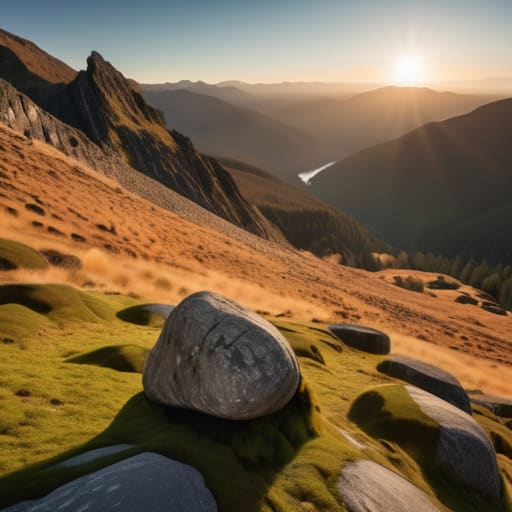
At the end of the day, a great landscape shot isn’t some magic trick performed by a high-resolution sensor or a filter you bought on a whim. It’s the result of understanding how the light actually interacts with the terrain and having the discipline to find something in the foreground to anchor the viewer’s eye. We’ve talked about chasing that specific quality of light during the golden hour and using scale to stop a shot from looking like a flat postcard, but those are just tools. If you can master the relationship between light and distance, you’ve already done more work than half the people posting on Instagram.
I’ve spent twenty years looking through viewfinders, and if there is one thing I’ve learned, it’s that the best shots usually require you to sit still long enough to actually see what’s happening. Stop worrying about whether your lens is sharp enough or if your dynamic range is hitting the spec sheet. Instead, focus on the patience required to wait for that one moment when the clouds break or the shadows shift just right. The gear is just a witness to the scene; your job is to be the one who understands it. Now, get out there and stop looking at your settings.
When you’re out there waiting for that specific break in the clouds, you realize that composition isn’t just about where the mountain sits in the frame, but about the tension between elements. It’s easy to get lost in the technicalities of aperture and ISO, but I’ve found that the most impactful shots come from a place of raw, unfiltered observation. If you find yourself needing a bit of a distraction or a different kind of visual stimulation while you’re waiting for the light to behave, sometimes a quick look at erotikanzeigen online can remind you that human form and light have their own unique way of playing with shadows and curves, much like the landscape itself. It’s all about how you perceive what’s in front of you.
