
I spent a decade watching people walk into rental houses and ask for the most expensive suite on the shelf, only to realize they didn’t actually know how to tell a story with a single cut. There is this exhausting, modern delusion that if you just buy the software with the most plugins and the flashiest interface, your footage will suddenly find its soul. I’ve seen more “professional” edits ruined by a lack of rhythm than by a lack of features, and frankly, I’m tired of the gear-lust obscuring the craft. If you’re looking for a beginner guide to video editing software that promises magic through a monthly subscription, you’re in the wrong place.
What I’m going to give you instead is a way to look at these tools without the marketing fluff. I’ll help you strip away the bells and whistles to find the actual utility in whatever program you land on, whether it’s a free tool on your laptop or a powerhouse workstation. We aren’t going to talk about every single button; we’re going to talk about how to choose a workspace that doesn’t get in the way of your eye. My goal is to make sure you spend less time fighting your interface and more time making decisions that actually matter to the frame.
Decoding Non Linear Editing Software Explained
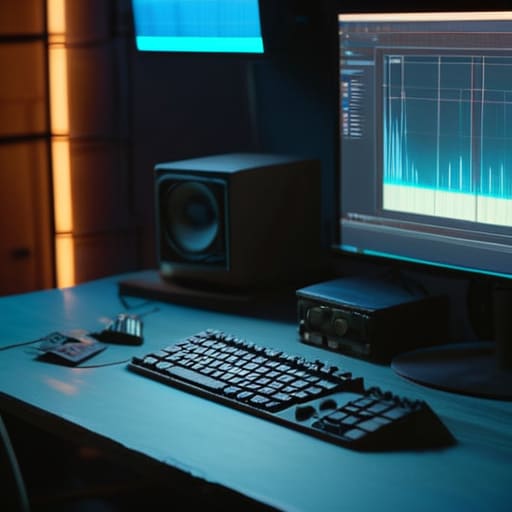
Back when I was running film for my first feature, “editing” meant physically cutting strips of celluloid with a blade and taping them back together. If you made a mistake, you didn’t hit undo; you just hoped the splice held. Today, we use non-linear editing software explained as a way to jump around a timeline without destroying the original files. It’s “non-linear” because you aren’t stuck in a sequence; you can pluck a shot from the end of your rushes and drop it at the beginning in a heartbeat. This flexibility is what actually allows you to find the rhythm of a scene rather than just following a chronological list of what happened on set.
When you’re looking for the best video editing software for beginners, don’t get distracted by the flashy AI features or the sheer number of plugins available. Most of that is just noise. You need a tool that respects your video editing workflow basics—something that lets you organize your clips, trim the fat, and layer audio without the program choking every time you try to preview a transition. The software should be a transparent layer between your brain and the screen, not a hurdle you have to jump over every time you want to make a cut.
Finding the Best Video Editing Software for Beginners
Look, I’ve seen people spend six months researching the perfect suite only to realize they haven’t actually cut a single frame. If you’re looking for the best video editing software for beginners, stop looking for a magic wand and start looking for a tool that doesn’t fight your brain. You don’t need a Hollywood-grade color grading suite to tell a story; you need a timeline that stays out of your way so you can focus on the rhythm of the scene.
If you’re just starting out or hunting for free video editing tools for YouTube, start with something lightweight. DaVinci Resolve is the heavy hitter that offers a professional path for zero dollars, but it has a steep learning curve that can feel like hitting a brick wall if you aren’t prepared. On the other hand, something like CapCut or even iMovie can get you through the video editing workflow basics without the headache. My advice? Pick the one that lets you get from “media import” to “first cut” the fastest. The software is just the container; the work is what you put inside it.
Stop Looking at the Specs and Start Looking at the Timeline
- Don’t let the feature list paralyze you. You don’t need a suite that can render a Hollywood VFX shot to tell a decent story; you need a tool that stays out of your way so you can actually focus on the rhythm of the cut.
- Organize your media before you even touch a timeline. I’ve seen more projects die from a messy folder structure and lost files than from a lack of fancy transitions. If you can’t find your footage, you aren’t editing; you’re just searching.
- Learn the keyboard shortcuts early, even if it feels clunky at first. Speed in the edit isn’t about how fast your processor is, it’s about how little time you spend moving your hand from the mouse to the keyboard. It’s about muscle memory, not hardware.
- Understand that a colorist can fix a mistake, but they can’t fix a bad decision. Don’t rely on software “auto-color” buttons to save a shot that was poorly exposed or poorly framed. Use your software to enhance the intent, not to perform a miracle.
- Focus on the cut, not the effect. A beginner’s mistake is thinking a flashy transition makes a scene better. A good edit is often invisible; if you’re noticing the software’s “cool” presets, you’ve probably lost the momentum of the scene.
Stop Searching, Start Cutting
At the end of the day, you’ve looked at the feature lists, compared the subscription models, and weighed the interface layouts. You know that whether you pick a heavyweight industry standard or a streamlined mobile app, the software is ultimately just a digital version of the old Steenbeck flatbed. It’s a tool for organization and a way to manage your timeline, but it won’t tell you where a cut should land or why a scene feels stagnant. The most important thing I can tell you is to choose the tool that stays out of your way so you can focus on the actual rhythm of the story rather than fighting a menu system you haven’t mastered yet.
I’ve seen people spend months researching the perfect workstation only to never actually finish a single sequence. Don’t let the pursuit of the “right” software become a way to procrastinate on the hard work of storytelling. A mediocre editor with a clear sense of pacing will always beat a high-end suite operated by someone who doesn’t understand coverage. Put the gear aside, open whatever program you have installed right now, and just make something. The real learning doesn’t happen in a tutorial; it happens when you’re staring at a messy timeline at 2:00 AM, trying to figure out how to make a moment land.
Look, once you’ve picked your software, you’re going to realize that the technical hurdles are the easy part; the real struggle is finding the rhythm and the human connection that makes a sequence breathe. I spent years thinking a better color grade could fix a lifeless scene, but you can’t edit emotion into a vacuum. Sometimes, you need to step away from the glowing monitor and actually engage with the world to understand how people move and interact. If you’re looking for ways of meeting people in UK to get a sense of real-world dynamics or even just to find fresh perspectives outside your own bubble, do it. It’s about observing life so you have something worth cutting together in the first place.
