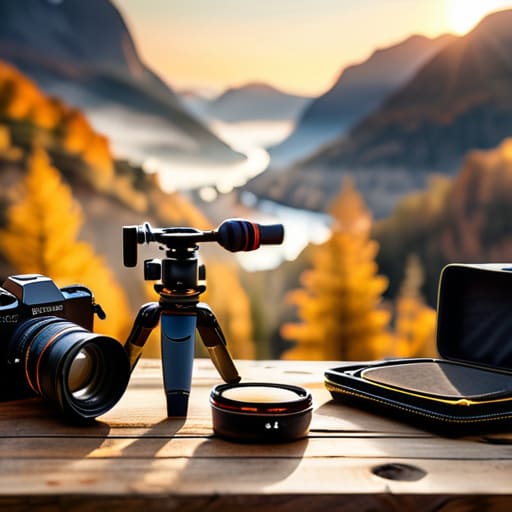
I spent the better part of my twenties lugging heavy crates of glass and lighting rigs through mud and grit, learning one hard lesson early on: the gear doesn’t make the shot, but the wrong gear will certainly ruin it. I see people heading out into the field today, eyes glued to spec sheets and sensor resolutions, convinced that a bigger purchase is the silver bullet for a mediocre image. They spend thousands on bodies and lenses only to realize they’ve neglected the practicalities of the environment. If you’re looking for a list of every shiny gadget on the market, you’ve come to the wrong place. I’m interested in the essential accessories for landscape photography that actually solve problems—the ones that deal with wind, stability, and the unpredictable way light hits a ridge at four in the morning.
In the following list, I’m stripping away the marketing fluff to give you seven items that actually matter. We aren’t talking about fancy filters that promise magic, but rather the tools that allow you to control the variables you can actually influence. From the stuff that keeps your frame steady to the kit that ensures you don’t go home with nothing but a handful of blurry, underexposed mistakes, these are the pieces that change the work.
A Tripod That Doesn't Shake
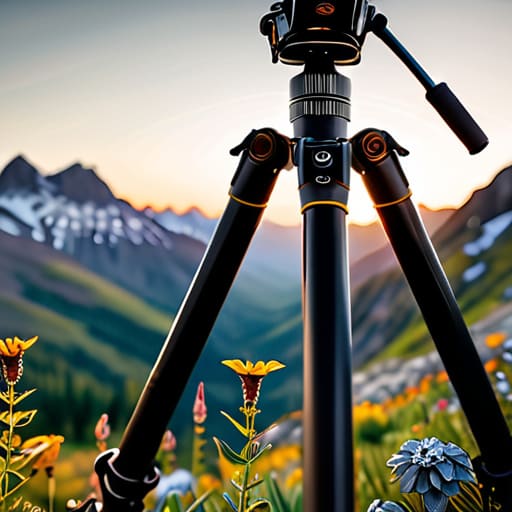
You can have the most expensive sensor in the world, but if your camera is dancing because of a gust of wind or a soft patch of dirt, you’ve got nothing but a blurry mess. I’ve seen kids walk into the mountains with flimsy, lightweight plastic rigs thinking they’re being smart about their pack weight, only to realize they can’t actually hold a frame once the sun starts to drop.
The Filter You Actually Use
People spend a fortune on digital post-processing software, thinking they can just “fix it in the edit” when the sky blows out or the highlights clip. That’s a mistake. Once those highlights are gone, they are gone forever, and no amount of slider-pushing in Lightroom is going to bring back the texture in a cloud.
Circular Polarizers
If you only carry one piece of glass, let it be a polarizer. It isn’t just for making the sky look more blue—though it does that well enough—it’s about managing reflections and seeing through the surface of water or wet leaves. It adds a layer of depth that a digital filter can only mimic poorly.
Spare Batteries and a Real Plan
It sounds like something a worried parent would say, but cold air is the absolute enemy of a lithium-ion battery. I’ve been halfway through a setup, waiting for the light to hit a specific ridge, only to have my camera go dark because the temperature dropped ten degrees. You don’t realize how much you rely on that power until you’re standing in the dark with a dead piece of tech.
A Sturdy Remote Shutter Release
Even on the best tripod, the simple act of pressing the shutter button sends a vibration through the system that can ruin a long exposure. It’s a tiny movement, but when you’re shooting at several seconds, that micro-shake is enough to soften every edge in the frame.
Lens Cleaning Gear That Isn't a T-Shirt
I know, I know—we’ve all used our hem to wipe a smudge off a lens in a pinch. But if you’re working in the real world, with dust, salt spray, or rain, you’re eventually going to leave a permanent streak or, worse, scratch the coating. A lens is a precision instrument, not a piece of ruggedized plastic.
A Solid Memory Card Strategy
I see people buying the fastest, most expensive cards on the market, thinking the speed will somehow make them better photographers. Speed matters for burst rates, but in landscape work, what matters is reliability. You don’t want to get home, plug in your card, and realize the file structure is corrupted because the card was a cheap knock-off.
The View From the Ground
At the end of the day, none of this matters if you aren’t looking at the light. A tripod, a decent filter, or a sturdy bag won’t fix a composition that lacks intent, and no amount of high-end glass can compensate for being in the wrong place at the wrong time. These tools are just there to stop the technical failures from getting in the way of the story you’re trying to tell. If you invest in the right kit, you aren’t buying a better image; you are buying the freedom to focus on the way the sun hits the ridge rather than worrying about your shutter speed or a stray reflection.
I’ve spent twenty years watching people chase the newest sensor, thinking it would finally make them an artist. It won’t. The real work happens in the quiet moments of observation, the patience to wait for the clouds to break, and the discipline to stand still. Buy the gear that makes the process more reliable, but don’t let the pursuit of perfection become a distraction from the actual scenery. Once you have the basics sorted, stop looking at your spec sheets and start looking at the horizon. That is where the actual work begins.
If you find yourself staring at a landscape that looks spectacular in person but flat and lifeless on your sensor, don’t go hunting for a new filter or a more expensive lens; you probably just need to understand how the light is actually interacting with the terrain. I spent years thinking I could outrun bad conditions with better glass, but the real skill is in the observation before you even touch the tripod legs. If you’re still trying to wrap your head around the technical side of how light, composition, and exposure actually mesh together, I’ve found that digging into the practical breakdowns over at https://casualwales.co.uk is a decent way to stop guessing and start seeing the frame the way it’s actually meant to be captured.
