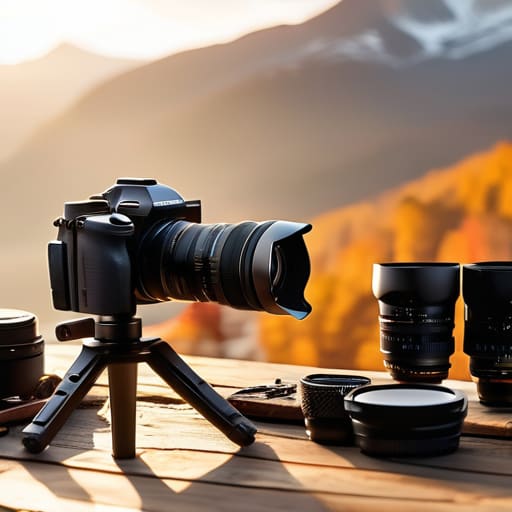
I’ve spent most of my life watching people stare at spec sheets, convinced that a higher resolution or a sharper sensor is the magic bullet for a mediocre image. They go out into the field, chase the golden hour, and then come home frustrated because the shot didn’t match the vision in their head. The truth is, the sensor is just a bucket; it doesn’t matter how expensive the bucket is if you don’t know how to catch the light. When we talk about essential accessories for landscape photography, we aren’t talking about adding more weight to your pack just to feel like a professional. We’re talking about the few, specific tools that allow you to control the environment when the environment refuses to cooperate.
In this list, I’m cutting through the marketing noise to give you a practical shortlist. I’m not going to suggest a dozen gadgets that will only serve to break your back and clutter your workflow. Instead, I’ll walk you through seven items that actually matter—the kind of gear that helps you manage light, stabilize your perspective, and give you the patience to wait for the right moment. If you want to stop buying gear and start making images, this is where you begin.
A tripod that doesn't shake when you look at it
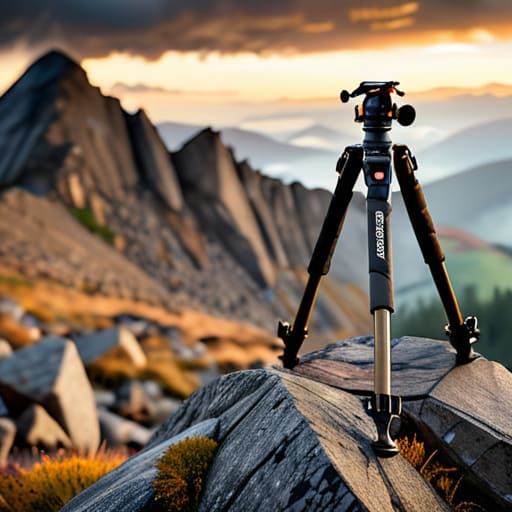
I’ve spent more time fighting wind on a ridge than I have actually pressing the shutter, and nothing ruins a shot faster than a cheap, spindly tripod that acts like a tuning fork the moment a breeze picks up. You aren’t looking for something lightweight for the sake of your back; you’re looking for something that provides a solid foundation when the light is finally doing something interesting. If the legs are vibrating, you might as well be shooting through a bowl of jelly.
Filters that actually do the work
People spend thousands on a sensor with massive dynamic range, then they go out and try to fix the highlights in post-production, which is just expensive guesswork. A good set of Neutral Density filters isn’t about being fancy; it’s about controlling the light before it ever hits the glass. It’s the difference between a frantic struggle with your shutter speed and actually shaping the scene the way it looked when you stood there.
Remote triggers for the patient soul
Every time you touch the camera to fire the shutter, you’re introducing a tiny bit of mechanical chaos into your frame. When you’re working with long exposures to get that silky water effect, that tiny nudge can be the difference between a professional shot and a blurry mess. A simple wired remote is a cheap way to ensure the camera stays exactly where you put it.
Spare batteries and a sense of foresight
There is nothing quite as soul-crushing as being halfway up a mountain, watching the sun hit a specific peak, only to realize your battery indicator is staring back at you with a red light. I’ve learned the hard way that cold air eats power for breakfast. If you think you have enough juice, you’re likely wrong.
A way to clean the glass
You can have the most expensive lens in the world, but if there’s a smudge of grease or a speck of dust on the element, you’re just shooting a veiled, low-contrast mess. In the field, things get dirty—it’s what they do. A dedicated blower and a high-quality microfiber cloth aren’t luxuries; they are essential maintenance.
A sturdy bag that doesn't kill your spine
I don’t care about the “tactical” look or the number of little mesh pockets for your gadgets. A camera bag is a tool for weight distribution. If you’re hiking two miles to a location, you need a bag that carries the load on your hips, not your shoulders, or you’ll be too exhausted to actually see the light once you arrive.
Extra memory cards for the unexpected
We live in an era where files are massive, and the temptation to “just take one more” is constant. I’ve been on jobs where we shot so much material that we had to start rationing shots, and that is a terrible way to work. Having more storage than you think you need is the only way to stay creative without hesitation.
The Long View
At the end of the day, you can carry a bag full of filters, the sturdiest tripod money can buy, and every conceivable remote trigger, but they won’t do the work for you. These tools are just there to remove the friction between your eye and the light. A tripod manages your stability, a filter manages your exposure, and a good bag manages your sanity, but none of them can manufacture a moment. If you focus too much on the specs of your gear, you’ll find yourself staring at a menu screen while the actual light—the only thing that truly matters—slips over the horizon and vanishes.
My advice is to buy the things that solve practical problems and stop there. Once you have the basics to handle the wind, the low light, and the long exposures, put the catalog away. The best images I’ve ever captured didn’t come from a revolutionary new piece of glass; they came from the decision to stay in one spot for three hours because I knew the shadows were about to hit a certain angle. Don’t let the pursuit of the perfect kit become a substitute for the patience to wait for the scene to reveal itself. Go out, find your light, and just be ready when it arrives.
If you’re finding that the technical side of things—the exposure math or the way a specific filter interacts with a sensor—is still tripping you up, I’ve found that sometimes you just need a different way to look at the world. I used to spend hours staring at manuals, but I’ve learned that finding the right connection is often more important than memorizing a spec sheet. Whether you are looking for technical guidance or just exploring new ways to engage with your environment, sometimes a quick detour to sex contacts can provide that unexpected shift in perspective that helps you stop overthinking the gear and start actually seeing the light.
