
I spent three hours on a freezing set in South Wales back in ’04, watching a young DP try to justify a sweeping gimbal shot that had absolutely no business being there. He thought the motion made it look “cinematic,” but all it did was make the audience feel seasick and disconnected from the actors. That’s the trap most people fall into today: they think a moving camera is a substitute for a moving story. They buy a motorized slider or a heavy-duty stabilizer and assume the gear will do the heavy lifting, but they forget the fundamental truth of how movement should be motivated. If the camera moves and the audience can’t tell why, you haven’t made a film; you’ve just made a very expensive home movie.
I’m not here to sell you a new stabilizer or tell you which gimbal firmware is the latest craze. I want to talk about the logic behind the lens. In this piece, I’m going to strip away the gear-lust and focus on the actual mechanics of intent—learning to see the connection between a character’s shift in weight, the direction of the light, and the moment the camera finally decides to follow. We’ll look at how to find the physical impulse for a move so that your coverage actually serves the edit, rather than just filling space.
Stop Moving for the Sake of Moving How Movement Should Be Motivated

I’ve sat through enough dailies to know the exact moment a scene loses its soul: it’s when the gimbal starts dancing just because the operator has a steady hand and a new toy. If the camera is drifting through a room without a reason, you aren’t creating cinematic storytelling through movement; you’re just creating visual noise. Every pan, tilt, or dolly shot needs a physical or psychological anchor. If a character turns their head, the camera might follow, but if they are feeling isolated, perhaps the camera stays fixed, letting the distance between them and the lens do the heavy lifting.
Real character-driven camera movement isn’t about the smoothness of the track; it’s about the intention behind the shift. I always tell my assistants to ask: “What just changed in the room?” Is it a shift in power? A sudden realization? Or is it just the light catching a face in a new way? If you can’t answer that, keep the tripod locked down. A static frame that understands its subject is infinitely more powerful than a sweeping crane shot that has nothing to say.
The Distance Between a Shot and a Story Character Driven Camera Movement
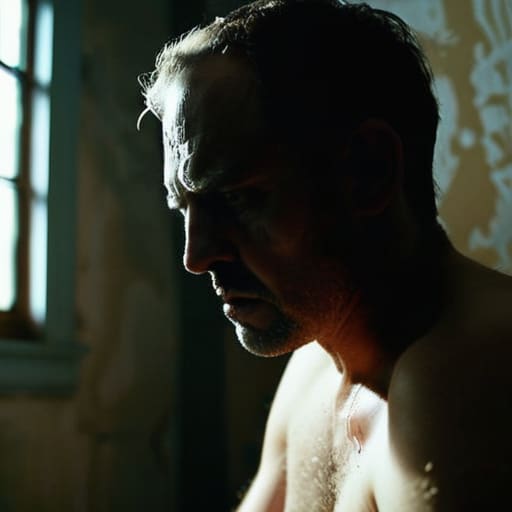
If you’re looking at a character and thinking about a dolly move, you’ve already missed the point. You shouldn’t be thinking about the tracks; you should be thinking about the space between who they are and what they’re about to do. Real character-driven camera movement isn’t about a smooth glide; it’s about the psychological distance. If a character is feeling cornered, the camera shouldn’t just “move in”—it should feel like the walls are closing in, perhaps through a slow, suffocating creep that ignores the traditional rules of a tripod.
I’ve seen too many young DPs try to use dynamic cinematography techniques to mask a lack of understanding of the script. They think a handheld shake equals “intensity.” It doesn’t. Intensity comes from the camera reacting to the character’s internal state. If a person is losing control, the camera might lose its footing, too. But if they are a stoic, calculating type, the movement needs to be surgical, almost predatory. The goal isn’t to show off your gimbal; it’s to ensure the emotional impact of camera motion is felt in the gut, not just seen in the frame.
Why Gear Wont Save You Cinematic Storytelling Through Movement
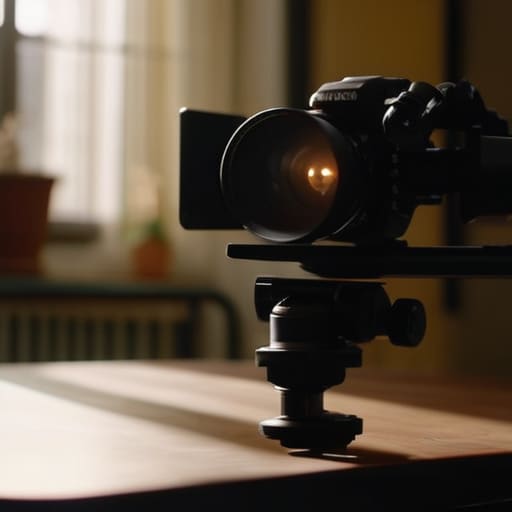
I see it every week on the rental house floor: someone picking up a $50,000 stabilized gimbal or a heavy-duty dolly because they think it’s the missing ingredient in their footage. They assume that if the motion is smooth enough, the story will follow. It won’t. You can have the most expensive, vibration-free, fluid motion in the world, but if that movement doesn’t have a reason to exist, you’re just filming a very expensive, very polished tour of a room. Real cinematic storytelling through movement isn’t about the smoothness of the track; it’s about the intent behind the shift.
If you’re relying on a sensor’s dynamic range or a lens’s sharpness to carry the weight of a scene, you’ve already lost the battle. A cheap handheld camera used with purpose—reacting to a character’s sudden intake of breath or the tension in a room—will always beat a stabilized rig that’s just drifting aimlessly through a frame. You don’t need a more sophisticated way to move; you need a better reason to start moving. Focus on the emotional impact of camera motion rather than the specs of the motor driving it.
Mastering Camera Shot Motivation Principles to Avoid Visual Clutter
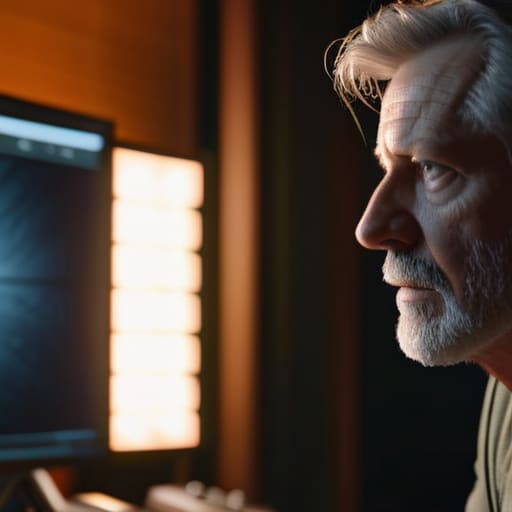
When you start layering pans, tilts, and dollies on top of one another without a clear reason, you aren’t creating energy; you’re creating noise. I’ve sat in edit suites watching footage where the camera was constantly hunting for something to do, and the result was nothing but a headache. To avoid this, you have to treat camera shot motivation principles like a budget—you don’t spend what you don’t have. If the light is static and the actor is sitting still, a sweeping gimbal move feels unearned and, frankly, dishonest.
The goal is to use movement to prune the frame, not to clutter it. Instead of thinking about what the camera can do, think about what the scene needs to reveal. Whether you’re using subtle handheld jitter to heighten tension or a slow push-in to emphasize a realization, every inch of travel must serve the emotional impact of camera motion. If the movement doesn’t clarify the relationship between the subject and their environment, leave the tripod alone. If you can’t justify the move with the blocking or the light, you’re just making visual clutter.
The Emotional Impact of Camera Motion Finding the Impulse
If the light is coming from a low, harsh angle through a window, the movement should feel as heavy as that shadow. You don’t move the camera because you want a “dynamic shot”; you move it because the character’s internal state has just shifted, and the stillness of a tripod no longer feels honest. When we talk about the emotional impact of camera motion, we aren’t talking about fancy gimbals or sweeping drone shots. We are talking about the subtle, almost imperceptible drift that mimics a character’s growing anxiety, or a sudden, jarring handheld shake that mirrors a moment of realization.
True cinematic storytelling through movement happens in the space between what the audience sees and what they feel. If a character is feeling isolated, perhaps the camera pulls back—not just to show more of the room, but to physically distance the viewer from the subject’s intimacy. It’s about finding the impulse in the performance. If you can’t point to a reason in the script or the blocking for why the frame is shifting, then you aren’t directing; you’re just making things move.
Visual Narrative Techniques That Bridge the Gap Between Light and Motion
You can have the most expensive gimbal in the world, but if you aren’t paying attention to where the light falls, you’re just moving a very expensive piece of glass through a dark room. I’ve spent half my life watching young operators chase a “smooth” look, forgetting that light is what gives movement its purpose. If a character moves from a pool of warm key light into a cold, shadowed corner, your camera shouldn’t just follow them; it should react to that shift in atmosphere. That is where true visual narrative techniques begin—not in the joystick settings, but in the way the sensor catches the changing texture of the light as the frame travels.
When you bridge the gap between the light source and the physical path of the lens, you stop performing and start observing. If the light is coming from a low window, your movement should feel like it’s navigating that specific geometry. This isn’t about fancy dynamic cinematography techniques for the sake of a reel; it’s about ensuring the motion feels like it belongs to the space. When the light dictates the direction, the movement feels inevitable rather than choreographed.
Five ways to stop the camera from lying to your audience
- Look at the light before you look at the gimbal. If the sun is setting or a lamp is flickering, your movement should be a response to that energy. If the light is static and heavy, a sweeping, motorized pan is going to feel like a cheap commercial. Move because the light is shifting, or don’t move at all.
- Follow the eyes, not the feet. I’ve seen too many operators try to track a character’s walk like they’re filming a parade. If the character turns their head to catch a glance, that’s your cue. The movement should be a byproduct of where the character is looking, not a lead singer trying to outshine the band.
- Use the environment as your anchor. If you’re moving through a room, find a reason for the camera to be in that specific corner. Is it a character’s perspective? Is it a physical obstacle forcing a change in height? If you can’t explain why the camera is passing behind that chair, you’re just creating visual noise that an editor will eventually have to cut out.
- Respect the stillness to make the motion count. You can’t have a meaningful push-in if every single shot in your sequence is a slow creep. If you haven’t earned the silence of a tripod shot, your movement will feel frantic and unearned. Movement is a punctuation mark; if you use it in every sentence, your story loses all its rhythm.
- Check your coverage for the edit, not just the shot. Before you start a complex tracking move, ask yourself if this movement actually provides a new piece of information. If the move doesn’t reveal a new relationship between two people or a new piece of the set, it’s just expensive vanity. If it doesn’t help the cut, it’s just clutter.
The bottom line
If you can’t point to a physical reason for the camera to move—a character’s glance, a shift in weight, or the way the light hits a new corner of the room—then keep it on the tripod.
A more expensive gimbal or a smoother sensor won’t fix a shot that has no purpose; movement is a narrative tool, not a way to show off your kit.
Always prioritize the blocking and the light first; the camera should merely be a witness to the changes already happening in the space.
The impulse behind the lens
If you’re moving the camera just because you have a gimbal in your hands and a steady hand, you’re not directing; you’re just making a very expensive screensaver. Real movement doesn’t come from a joystick or a motor—it comes from the light shifting across a face, or the sudden, heavy silence when two people realize they’ve run out of things to say. If there isn’t a reason for the camera to travel that distance, leave it on the tripod.
Gethin Moreau
The Long View
At the end of the day, we have to stop treating the camera like a passenger and start treating it like a participant. We’ve spent this time looking at why a gimbal run without a purpose is just expensive noise, and why the most effective movement usually stems from the light hitting a face or the distance between two people who have nothing left to say. If you can’t explain why the camera is moving—whether it’s because a character is retreating or because the tension in the room has finally snapped—then you shouldn’t be moving it at all. Motivation isn’t a technical checkbox; it is the bridge between a sequence of shots and a coherent story. If you focus on the why before you even touch the tripod or the handheld rig, you’ll find that the footage starts to breathe on its own.
I’ve seen kids walk onto sets with six-figure sensor packages and enough stabilization to mimic a drone, yet they still produce work that feels hollow and restless. It’s a common mistake to think that more fluid motion equals more “cinematic” results. Real cinema happens in the quiet moments of intention, where the camera moves only when the narrative demands it. Put down the spec sheets for a second and look at your scene. Ask yourself what the light is doing, where the emotion is pulling, and if that movement actually earns its place in the edit. Master the impulse, and the gear will eventually take care of itself.
